Unearthing the Lost Felt Cover of The Beach Boys Be Still A Jangle Pop Masterpiece Rediscovered

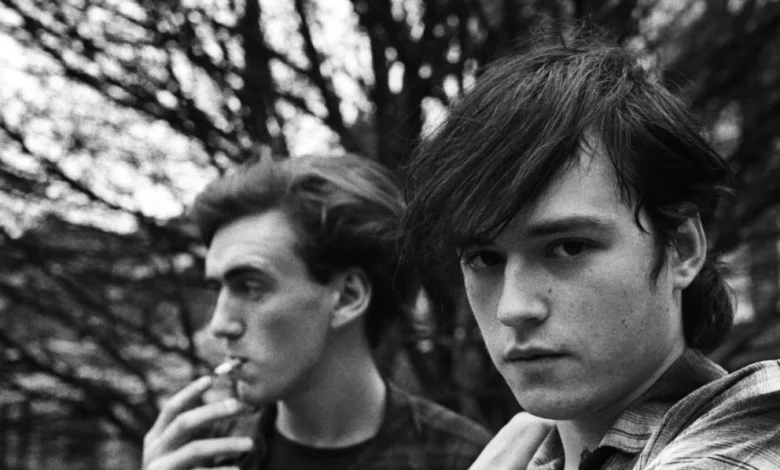
During the twilight of their prolific and uncompromising ten-album run in the 1980s, the influential English jangle pop outfit Felt turned their discerning artistic gaze toward 1968, selecting The Beach Boys’ understated and critically overlooked studio album Friends as the source material for what would become the band’s only known studio cover recording. This rare and transformative interpretation of Dennis Wilson’s soulful, fragile piano ballad "Be Still" stands as a remarkable artifact of late-eighties underground independent music. It sits comfortably in music history alongside contemporaneous companion pieces, such as Primal Scream’s Screamadelica-era cover of another Dennis Wilson composition, "Carry Me Home"—a creative crossover solidified by keyboardist Martin Duffy, who famously performed with both legendary formations. The resulting recording is a shimmering piece of sonic architecture, embodying every frosty, ethereal component that defined the unique brilliance of Felt during their most sophisticated creative epochs.
The Context of Felt in the 1980s
To understand the weight of this recording, one must examine the rigorous artistic trajectory of Felt. Formed in Birmingham, England, in 1979 by singer, songwriter, and primary visionary Lawrence, the group operated under a strict, self-imposed aesthetic doctrine that prioritized uncompromising artistic integrity over commercial viability. Between 1982 and 1989, Felt executed one of the most remarkable release schedules in rock history: ten singles and ten albums in ten years, culminating in their disbandment precisely as the decade drew to a close.
Lawrence modeled Felt’s sonic identity on a meticulous blend of 1960s garage rock, particularly the jangle-heavy guitar stylings of The Byrds, combined with the moody, poetic introspection of post-punk and the literary sensibilities of French Symbolism. Their discography, released primarily through independent stalwarts Cherry Red and later Creation Records, is celebrated for its pristine guitar textures, minimalist arrangements, and Lawrence’s distinctively detached, romantic lyrical delivery.
Throughout this decade-long sprint, Felt almost exclusively performed and recorded original material. The band viewed their catalog as a unified, pristine monument that brooked no dilution through covers, medleys, or crowd-pleasing interpolations. Consequently, the decision to record a cover version toward the end of their decade-long existence represents a significant departure from their established modus operandi, signaling a deep, reverential connection to the source material.
The Beach Boys, Dennis Wilson, and the Origins of Friends
The object of Felt’s rare homage, "Be Still," originally appeared as the seventh track on The Beach Boys’ fifteenth studio album, Friends, released in June 1968. By 1968, America’s premier vocal harmony group was navigating a period of profound commercial decline and artistic transition. Following the shelving of the legendary Smile project and the departure of creative leader Brian Wilson from the day-to-day rigors of production, the remaining band members assumed a more democratic role in the studio.
Friends was recorded at a time when the band had embraced the teachings of Maharishi Mahesh Yogi and retreated into a domestic, pastoral lifestyle, recording largely in home studios using modest equipment. The resulting album is short, acoustic-driven, and intensely intimate, standing in stark contrast to the baroque, wall-of-sound orchestration of Pet Sounds or the psychedelic experimentation of Good Vibrations.
"Be Still" was composed entirely by drummer Dennis Wilson, who during this era was rapidly emerging as a deeply sensitive and spiritually questing songwriter within the group. Running at just a brief one minute and twenty-two seconds, the song is a minimalist piano ballad featuring sparse chord progressions and multi-tracked vocal harmonies. Unlike the sun-drenched anthems of car culture and surfing that initially defined The Beach Boys, "Be Still" deals with themes of inner peace, emotional stillness, and existential quietude. It is widely considered by musicologists to be one of the earliest indicators of Dennis Wilson’s distinct compositional genius, which would reach its full fruition on his 1977 solo masterpiece, Pacific Ocean Blue.
Chronology of the Cross-Pollination
The cultural bridge connecting Felt to The Beach Boys via "Be Still" was constructed through a network of musicians operating within the British independent music scene of the late 1980s and early 1990s. While the exact recording date of Felt’s cover remains somewhat shrouded in the mythos of archival indie lore, music historians place it firmly within the sessions for the band’s final phase under Creation Records, overseen by label founder Alan McGee.
A crucial connective tissue in this cross-pollination was keyboardist Martin Duffy. Duffy joined Felt in 1989, contributing his atmospheric keyboard work to their final album, Me and a Monkey on the Moon, before the band officially dissolved. Following his tenure with Felt, Duffy transitioned into the fold of Primal Scream, contributing significantly to their landmark 1991 album, Screamadelica. During this vibrant era of British alternative music, Creation Records fostered a collaborative ecosystem where musicians frequently crossed stylistic and physical boundaries.
Primal Scream’s simultaneous affinity for the deeper, more melancholic cuts of Dennis Wilson—exemplified by their rendition of "Carry Me Home"—demonstrates a shared reverence among these British artists for the vulnerable, bruised Americana embodied by late-period 1960s West Coast pop. For Felt, taking on "Be Still" was not an exercise in ironic detachment or retro pastiche, but rather an earnest spiritual alignment with a kindred spirit of melancholy.
Musical Analysis of the Felt Interpretation
Felt’s transformative take on "Be Still" elevates the skeletal framework of the original Beach Boys composition while remaining meticulously faithful to its emotional core. Where Dennis Wilson utilized a sparse, acoustic upright piano and hushed vocals, Felt translated the arrangement through the prism of their signature jangle pop lexicon.
The recording is characterized by shimmering, chorus-drenched guitar lines that evoke the cold, crystalline beauty of an English winter morning. The guitars do not mimic the piano chords directly; instead, they weave intricate, interlocking counter-melodies that hover above the rhythm section like frost on a windowpane. Lawrence’s vocal delivery, known for its understated, non-virtuosic sincerity, captures the prayer-like humility of the original lyrics.
Music critics and archival producers note that the track exemplifies Felt’s mastery of negative space. Just as the original 1968 recording relied on silence and breath to convey its meditative message, Felt’s interpretation utilizes restraint as a primary structural instrument. Every guitar strum is measured, and every frequency is balanced to maintain an ethereal, suspended atmosphere.
Industry Reactions and Archival Significance
In the decades following Felt’s dissolution in 1989, Lawrence’s subsequent musical incarnation, Denim, and later-day project, Go Kart Mozart, kept the cult legacy of Felt alive among music aficionados and critics. However, rarities from the band’s final sessions—particularly studio outtakes and unreleased recordings—have long been the subject of intense speculation among collectors.
When details regarding the existence of the "Be Still" cover surfaced through archival releases and specialized music journalism outlets like Aquarium Drunkard, it was met with widespread enthusiasm from the independent music community. Contemporary producers, indie rock archivists, and veteran music journalists have praised the track as a missing link that bridges the gap between 1960s Southern California harmonic pop and 1980s British indie jangle.
Industry analysts point out that the rediscovery and appreciation of such artifacts highlight the enduring vitality of physical-era indie music culture. In an era where streaming platforms have flattened music history into an easily accessible, non-chronological soup, deep-dive excavations of lost covers provide vital context regarding how artists of the past studied, absorbed, and reinterpreted their own musical heroes.
Broader Impact and Implications for Modern Indie Archives
The enduring resonance of Felt’s lost Beach Boys cover extends far beyond mere trivia for obsessive collectors. It serves as a case study in how inter-generational and trans-Atlantic musical influences operate within the alternative music ecosystem.
By filtering the aching, pastoral vulnerability of Dennis Wilson through the pristine, jangly lens of English indie pop, Felt demonstrated that genre boundaries are porous when connected by a shared emotional wavelength. The track illustrates how late-eighties British bands looked backward not with cynical nostalgia, but with genuine curatorial reverence, seeking out the hidden corners of pop history to inform their own avant-garde sensibilities.
As master tapes continue to be digitized, evaluated, and shared through platforms supported by dedicated patrons and independent music publications, recordings like Felt’s "Be Still" ensure that the footnotes of music history are granted the analytical and artistic recognition they deserve. It stands as a testament to the fact that greatness often resides not in the chart-topping singles of a generation, but in the quiet, reverent echoes passed between artists working in the shadows of commercial success.
Related posts: