John PayCheck Takes Aim at Exploitative Patriotism in Country Music with New Single Battles You Never Knew

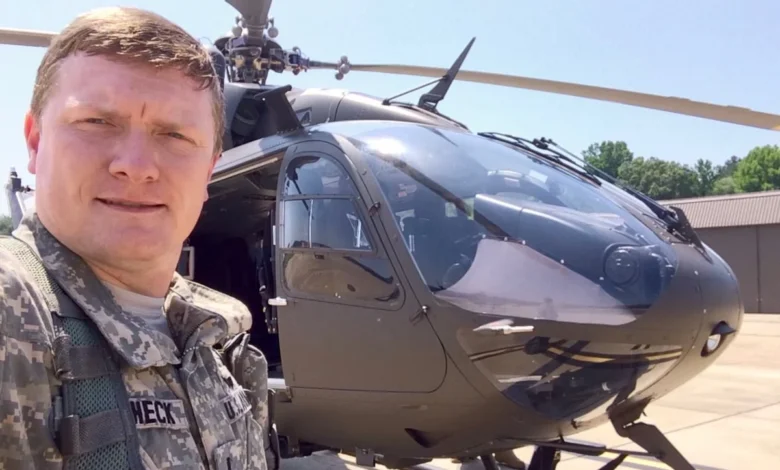
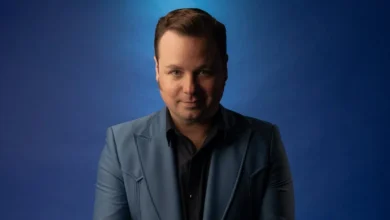
The intersection of military service and American popular music has long been a defining characteristic of country music, yielding anthems of national pride as well as commercialized appeals to patriotism. However, a growing critique from within the community is challenging how the lived experiences of combat veterans are utilized by the entertainment industry. Major John PayCheck, a retired U.S. Army officer, combat helicopter pilot, and emerging country music artist, has sparked a significant industry conversation with his latest single, "Battles You Never Knew." The track serves as a direct critique of what PayCheck describes as the commodification and exploitation of veterans’ trauma by commercial songwriters and mainstream performers who lack personal military experience.
Set against the backdrop of his upcoming album, Better Plan—scheduled for release on November 27—the single confronts a long-standing Nashville formula. PayCheck argues that the practice of drafting patriotic or pro-military anthems primarily to capture a specific demographic or boost record sales has crossed the line from genuine tribute into manufactured sentimentality. By drawing on his more than two decades of military service, which included piloting aircraft in major combat operations in Afghanistan, PayCheck brings an authoritative and uncompromised voice to a debate that touches upon ethics, artistic integrity, and the commercialization of grief.
From Armor to Aviation: A Combat Veteran’s Journey to Country Music
John PayCheck’s path to the recording studio is markedly different from that of most contemporary country musicians. Following the terrorist attacks of September 11, 2001, he made the pivotal decision to step away from his position as a tour manager for his famous father to enlist in the United States military. His initial service began within a heavy armor tank unit, anchoring him in the rigorous, ground-level realities of the armed forces.
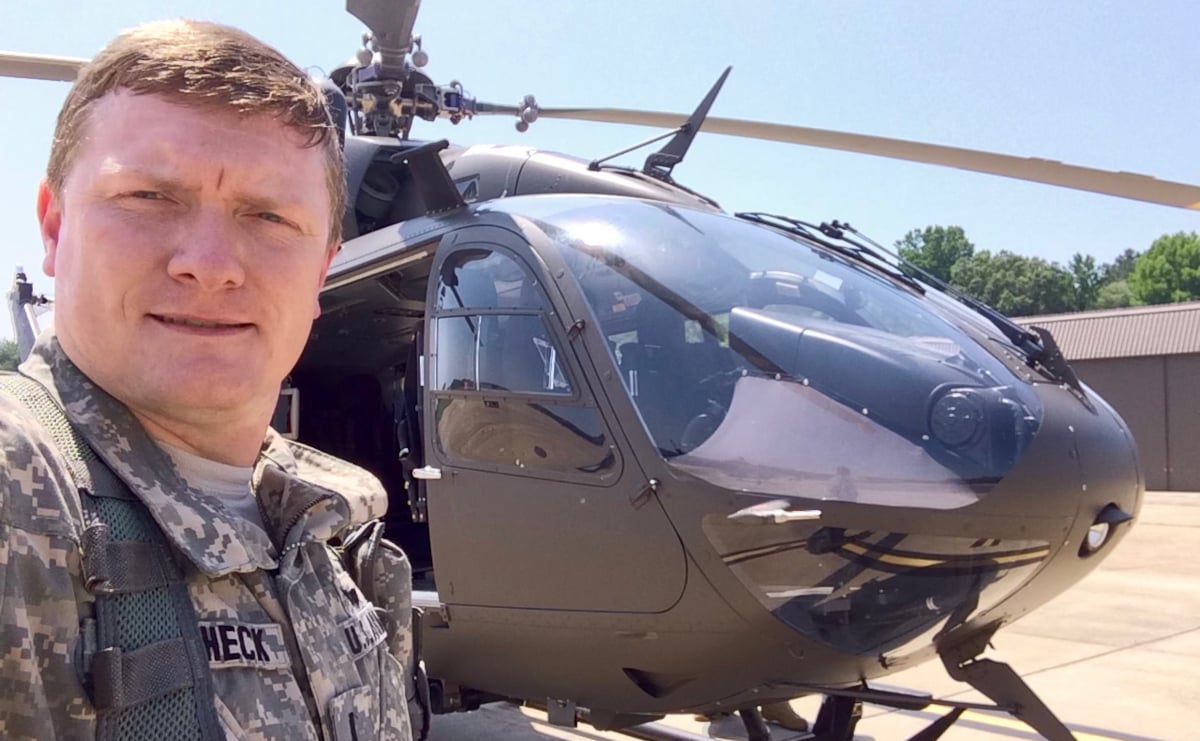
Seeking further challenges, PayCheck transitioned to the officer corps, completing flight school to become a pilot of both rotary-wing (helicopters) and fixed-wing aircraft. Over a military career spanning more than twenty years, he participated directly in major combat operations in Afghanistan, witnessing the severe human toll of modern warfare firsthand. He ultimately attained the rank of Major, a distinction that likely makes him the highest-ranking officer currently active within the ranks of commercial country music performers.
Following his retirement from active military service and a subsequent tenure working within the intelligence sector, PayCheck returned to his musical roots. His entry into the genre as a recording artist was marked by the release of his debut studio album, We All Have A Story, in 2021, followed by More Days Behind in 2024. Throughout his musical output, PayCheck has sought to preserve traditional country themes while injecting the authentic perspective of a career soldier into his lyricism. His upcoming third full-length project, Better Plan, continues this trajectory, with "Battles You Never Knew" serving as its primary cultural touchstone.
The Critique of Commercialized Patriotism
The core of PayCheck’s argument centers on the distinction between genuine artistic expression and calculated marketing strategies designed to appeal to patriotic constituencies. While acknowledging that post-9/11 America saw a powerful and often sincere wave of patriotic songwriting, PayCheck contends that the subsequent institutionalization of the "support the troops" trope has devolved into a cynical marketing tool.
"9/11 happens, and we see this explosion of songs that are patriotic. And that’s good," PayCheck noted in interviews surrounding the release. "At the same time, you have these artists that are going to sing these songs, and they have no way of identifying with what someone like me or a veteran feels about these things, and what we’ve seen and what we’ve gone through. They don’t understand. And when you start to get into things like PTSD, you’re treading interesting water. How can you really understand that?"
The criticism is not leveled at the abstract concept of writing about experiences outside one’s personal life—PayCheck readily defends creative license, noting that songwriters regularly pen murder ballads or fictional narratives without having committed crimes. Rather, the objection lies in the specific emotional exploitation of living veterans and the dead. In "Battles You Never Knew," PayCheck encapsulates this grievance with stark imagery, singing, "Don’t sell my scars for a hook, or my dead friends for a rhyme."
According to PayCheck, the modern Nashville songwriting room—often characterized by collaborative writing camps producing tracks designed for radio formatting—frequently lacks any voice with firsthand combat experience. Consequently, real human grief is synthesized into a catchy chorus. "When you start telling me that you know how it feels to be assigned the casket of one of your best friends, or that you know how it feels to hand a folded flag to a mother, I say bullshit. I’ve done it. I’ve done it multiple times," he stated.
Bro-Country, Marketing, and the Civilian Audience
The phenomenon PayCheck critiques is deeply intertwined with broader historical shifts in country music economics. Following the turn of the 21st century, and accelerating through the "bro-country" era of the 2010s, incorporating a patriotic or military-themed track became an almost standard requirement for major-label album rollouts. Industry analysts have often noted that these songs function less as direct messages to military personnel and more as identity markers for civilian listeners wishing to signal their alignment with patriotic values.
PayCheck points out that while independent artists frequently channel proceeds from military-themed songs toward reputable veteran support foundations, major label releases often direct profits entirely to corporate balance sheets while utilizing service members as visual props. "Putting a bunch of troops on stage, you don’t know their name. You don’t know their story. They’re just there for the applause that helps push the performer’s music," he observed.
This dynamic creates a formidable protective shield around the music itself. Because questioning a patriotic song has historically carried the risk of being labeled unpatriotic or indifferent to the sacrifices of military families, artists releasing such material have rarely faced substantive critique from within the industry. PayCheck addresses this directly: "This industry, country music, it preaches authenticity. But it suspends that when it comes to this subject. I don’t understand that. A patriotic song can’t be criticized because now you don’t support the vets. You look unpatriotic. But that protection is why they keep getting made."
Constructive Alternatives and Industry Implications
Rather than engaging in personal disputes or naming specific contemporary hitmakers—a practice he dismisses as unprofessional—PayCheck’s intervention is positioned as a call for accountability and systemic change within the songwriting community. He emphasizes that he is not attempting to ban songs about military service or patriotism, but rather demanding a higher ethical standard from those who choose to tell these stories.
To bridge the gap between commercial entertainment and authentic military experience, PayCheck advocates for concrete procedural changes in how Nashville approaches veteran-themed music. First, he encourages commercial songwriters and recording artists to actively incorporate combat veterans into the creative process by bringing them directly into the writing room. Second, he directs attention toward established organizations such as CreatiVets, a non-profit dedicated to empowering wounded veterans to heal through the arts and collaborative songwriting.
Furthermore, PayCheck challenges the financial models underpinning these releases, maintaining that artists who choose to profit from the imagery and trauma of military service have a moral obligation to financially support the veteran community. Pointing to his own release, he notes that a significant percentage of proceeds from "Battles You Never Knew" is directed straight to veteran support organizations. "If you care enough to write this damn song, then what are you really doing by keeping all the money?" he asked.
Broader Cultural and Industry Impact
The release of "Battles You Never Knew" and PayCheck’s subsequent commentary arrive at a time when listeners and industry insiders alike are placing an increased premium on narrative authenticity. As the commercial landscape of country music continues to fragment between corporate radio Nashville and independent, roots-oriented movements, critiques of institutional pandering resonate deeply with both veteran communities and fans of traditional songwriting.
By leveraging his unique dual status as a decorated combat veteran and a credible recording artist, PayCheck has opened a difficult conversation that mainstream country music has largely avoided for decades. Whether this single will prompt a reassessment of how major labels package patriotism remains to be seen. However, by challenging the industry to look beyond the surface appeal of flag-waving tropes, John PayCheck has ensured that the discussion surrounding authenticity in country music will include the voices of those who bore the actual cost of the conflicts described in song.