The Convergence of Bossa Nova at Au Bon Gourmet
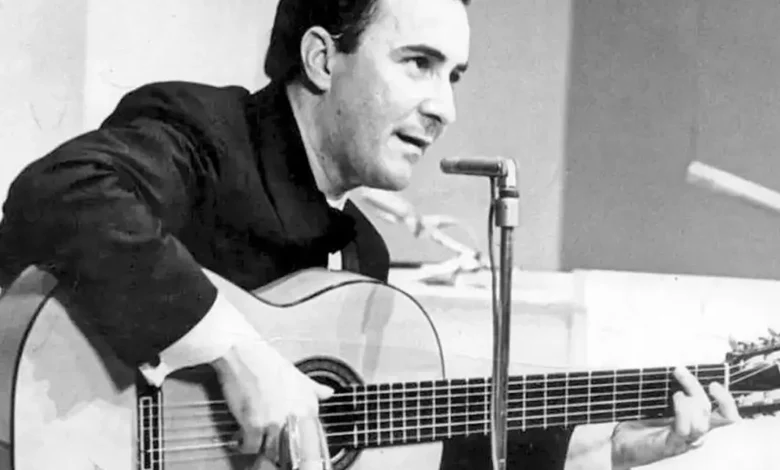
In August 1962, the trajectory of Brazilian music was irrevocably altered at the Au Bon Gourmet nightclub in Copacabana. Producer Aloysio de Oliveira orchestrated a six-week residency that served as the first major public gathering of the primary architects of Bossa Nova: Antonio Carlos Jobim, Vinícius de Moraes, and João Gilberto. Accompanied by the vocal harmony group Os Cariocas, drummer Milton Banana, and bassist Otávio Bailly, these performances captured the quintessence of a movement that was transitioning from local experimentation to international phenomenon.
A Chronology of the 1962 Residency
The residency took place during a period of immense sociopolitical change in Brazil. While the country was navigating a complex political landscape, the musical output of these artists provided a sophisticated, cool-toned aesthetic that felt both cosmopolitan and deeply rooted in the Brazilian soul. The six-week stint was not merely a series of concerts; it was a workshop of sorts, where the interplay between Jobim’s harmonic complexity and Gilberto’s revolutionary guitar syncopation—often referred to as the "violão gago" or stuttering guitar—was refined before a live audience.
The Sonic Landscape of the Au Bon Gourmet Recordings
The live recordings from this period serve as a vital historical document. Despite the rudimentary recording equipment available in the nightclub environment, the audio quality allows for an intimate understanding of the group’s rapport. The setlist, which included foundational tracks like "Samba De Uma Nota Só," "Garota De Ipanema," and "Corcovado," illustrates the collaborative synergy between the artists. Jobim’s piano work provides a structural, lyrical foundation, while Vinícius de Moraes, serving as the poetic voice and master of ceremonies, added a layer of intellectual charm that defined the Bossa Nova persona.
Technical and Historical Significance
From a musicological perspective, the Au Bon Gourmet sessions highlight the shift from traditional samba to the more nuanced, jazz-inflected Bossa Nova. The inclusion of Milton Banana, a pioneer of the Bossa Nova drum kit, is particularly significant. His ability to mimic the percussive elements of samba on a drum kit allowed the ensemble to maintain a rhythmic pulse without overwhelming the delicate interplay of the guitar and piano. The recordings capture the transition of "Garota De Ipanema" from a new composition to a global standard, marking a moment where Brazilian music began its permanent residence in the international jazz lexicon.
Miles Davis and the Orchestral Grandeur of Sketches Of Spain
While the Au Bon Gourmet sessions focused on the intimacy of the small ensemble, the 1960 release of Sketches Of Spain by Miles Davis and arranger Gil Evans represented the antithesis of the "small group" jazz aesthetic. This project, which followed their previous successes on Birth of the Cool, Miles Ahead, and Porgy and Bess, pushed the boundaries of what jazz could achieve through large-scale orchestration.
The Genesis of a Masterpiece
The collaboration between Davis and Evans is widely considered one of the most fruitful partnerships in jazz history. By the late 1950s, Davis had begun to move away from the frantic improvisation of bebop toward a more melodic, modal approach. Sketches Of Spain served as the apex of this evolution. The album’s concept was born from a mutual interest in the "Third Stream"—a genre that sought to bridge the gap between classical music and jazz.
The project was heavily influenced by Joaquín Rodrigo’s "Concierto de Aranjuez." Davis had been introduced to the piece by bassist Joe Mondragon and was immediately struck by its melancholic beauty and Spanish folk underpinnings. The task of adapting such a complex, guitar-heavy classical piece for a jazz ensemble fell to Gil Evans, whose mastery of orchestral color was unparalleled.
Orchestral Complexity and Improvisational Restraint
The personnel list for the Sketches Of Spain sessions reads like a "who’s who" of the New York jazz and session scene, including stalwarts such as Paul Chambers, Jimmy Cobb, and Elvin Jones. However, the true star of the production is Evans’ arrangement, which utilizes woodwinds, brass, and percussion to mimic the textures of Spanish folk music.
The album is marked by a departure from the "soloing" paradigm. Davis’s contribution is characterized by a haunting, sparse trumpet style. His work on the track "Solea" is perhaps the most profound example of his restrained brilliance. By allowing the orchestra to build the emotional weight of the piece, Davis enters only when necessary, using silence and long, drawn-out notes to convey a sense of longing that transcends traditional jazz vocabulary.
Fact-Based Analysis of the Recording Sessions
Recording took place in New York City over two distinct periods: November 1959 and March 1960. The sessions were grueling, requiring a level of precision that was rare for jazz musicians of the era. The complexity of the arrangements meant that the musicians had to balance strict adherence to the score with the subtle "swing" required to keep the work rooted in jazz. The result was an album that defied categorization—too classical for some jazz purists, and too improvisational for traditional classical audiences.
Comparative Impact on the Jazz Genre
Both the Au Bon Gourmet recordings and Sketches Of Spain highlight the mid-century obsession with expanding the definitions of jazz. However, they approached this expansion from opposite ends of the spectrum.
The Small Group vs. The Large Ensemble
The Bossa Nova movement championed by Jobim and Gilberto sought to strip jazz down to its most essential, intimate elements. The focus was on the "cool," the quiet, and the personal. In contrast, the Davis-Evans collaboration sought to blow the doors off the jazz club, inviting the symphonic, the cinematic, and the epic into the repertoire.
Global Reception and Legacy
The legacy of these two recordings is evidenced by their continued presence in the canon of "essential" jazz. Sketches Of Spain is frequently cited by critics as a turning point in jazz history, validating the idea that jazz musicians could command the same respect and artistic complexity as classical composers. Meanwhile, the Au Bon Gourmet recordings have become the "holy grail" for fans of Bossa Nova, serving as a primary source for understanding the authentic, unadulterated birth of the genre.
Implications for Modern Musicology
From a modern perspective, these recordings offer a blueprint for cross-cultural musical synthesis. The Brazilian ensemble’s integration of local samba rhythms with jazz harmonies created a template for global pop music that remains influential today. Similarly, the Miles Davis project proved that the American jazz tradition was not a static entity, but a flexible language capable of absorbing Spanish folk traditions, classical structures, and avant-garde sensibilities without losing its identity.
Final Reflections on Historical Preservation
The re-release and continued study of these sessions are not merely exercises in nostalgia; they are vital to the preservation of artistic heritage. The "modest, makeshift" nature of the Au Bon Gourmet tapes provides a humanizing context for the legendary figures involved, reminding audiences that even the most refined art is born from the messy, spontaneous reality of live performance. Conversely, the high-fidelity precision of Sketches Of Spain highlights the immense labor and planning required to elevate jazz to a level of institutional permanence.
As contemporary music continues to fragment into increasingly niche sub-genres, these two touchstones serve as a reminder of a time when the genre was unified by a shared goal: the pursuit of emotional truth through technical innovation. Whether through the whispered melodies of João Gilberto or the soaring, melancholic trumpet of Miles Davis, these artists fundamentally expanded the reach of music, ensuring that the legacy of 1962 and 1960 remains as relevant to the modern listener as it was to the audiences who first experienced these sounds in the concert halls and nightclubs of the mid-20th century. Both the Brazilian collective and the New York orchestral ensemble fundamentally changed the course of music history, and their contributions continue to serve as essential listening for any serious study of 20th-century culture.