The Evolution of #RNAR: Montana Montana Montana Returns Over a Decade After His Definitive Debut

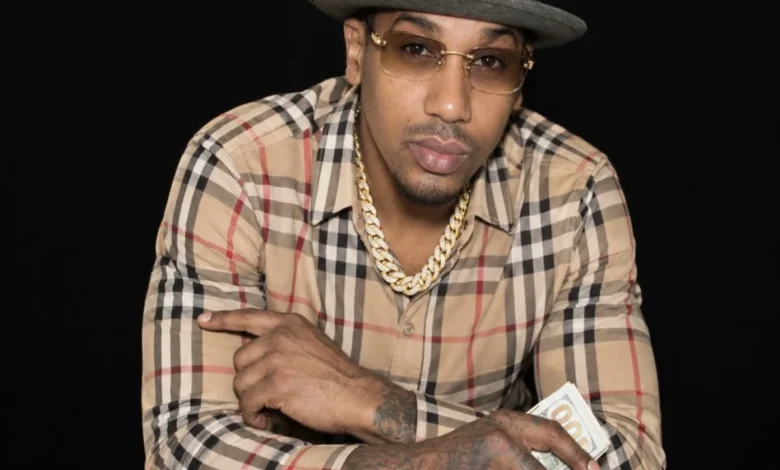
More than ten years after making a distinctive mark on the independent music landscape with his 2014 debut project, Really Not a Rapper, California-based artist, entrepreneur, and executive Montana Montana Montana is stepping back into the spotlight. Rather than leaning on manufactured nostalgia or attempting to replicate the exact sonic blueprint of his early twenties, his return represents a calculated, mature continuation of a brand that has grown alongside him. Today, the moniker #RNAR is no longer just a clever title questioning the traditional boundaries of hip-hop identity; it has evolved into a comprehensive philosophy encompassing fatherhood, business ventures, West Coast culture, and long-term catalogue building through his imprint, 925five Records.
The Main Facts of the Comeback
The announcement of Montana’s return highlights a deliberate strategy to balance his foundational roots with a modernized artistic approach. Rather than staging a dramatic, unearned reinvention, the artist is choosing to seamlessly pick up where his narrative left off, incorporating the profound life changes he has experienced over the past decade.
Central to this new phase are forthcoming releases that showcase the breadth of his creative output. Tracks such as "Hella Nogal" serve as a direct homage to his Bakersfield roots and his ongoing work with 925five Records, anchoring his sound in the geographical and cultural specifics of California’s Central Valley. Conversely, songs like "Drunk Song" demonstrate a willingness to explore lighter, more accessible, and radio-friendly territory. This dichotomy illustrates a mature artist who understands that not every piece of music needs to carry the heavy existential weight of a manifesto; sometimes, art can simply capture a fleeting moment, a sense of humor, or a feel-good atmosphere designed for broad audience engagement.
Chronology and Evolution: From 2014 to the Present
To understand the weight of Montana’s current trajectory, it is essential to examine the timeline of his career and the broader shifts in the independent music industry over the last decade.
In 2014, the independent hip-hop and underground rap scenes operated under vastly different distribution models, social media algorithms, and aesthetic standards. When Really Not a Rapper first arrived, the title functioned primarily as an ironic contradiction. Montana was actively creating rap music while simultaneously pushing back against the flattening effect of labels, refusing to let his entire identity be reduced to a monolithic industry archetype. At the time, he was a young artist navigating his place within a much larger picture—one that already extended far beyond the confines of a recording booth.
Between 2014 and the mid-2020s, the music industry underwent a massive digital transformation, accelerated by streaming dominance, short-form video platforms, and the normalization of independent artist ownership. During this period away from the primary release cycle, Montana did not stand still. He concentrated heavily on his entrepreneurial endeavors, building his business acumen, embracing fatherhood, and developing 925five Records.
Now, looking ahead to potential future installments—such as a conceptual Really Not a Rapper 7—Montana recognizes that the production techniques, consumption habits, and visual standards of the 2020s require a fresh approach. He has explicitly noted that nostalgia on its own does not constitute artistic evolution. Consequently, the upcoming music bridges the gap between historical continuity and contemporary relevance, ensuring that any new chapter honors the lineage of the #RNAR brand without sounding dated or overly derivative of a 2014 aesthetic.

Background Context and Industry Landscape
Montana’s journey reflects a broader, highly relevant trend in modern music: the longevity and sustainability of the independent artist. In an era where major label consolidation often pushes artists into rapid-fire content cycles, independent creators who build diversified business portfolios tend to have greater artistic autonomy.
West Coast hip-hop and Bakersfield’s localized music scenes have historically operated with a distinct sense of regional pride and self-reliance. By maintaining his base through 925five Records, Montana avoids the traditional pitfalls of chasing fleeting trends dictated by major label A&R departments. His music draws deeply from the realities of everyday life—navigating relationships, managing finances, traveling, and processing the cultural nuances of California living. This grounded subject matter provides his work with an authenticity that resonates both with long-time listeners who remember his initial emergence and with a younger generation discovering his catalog for the first time.
Statements, Philosophy, and Strategic Intent
Montana’s recent commentary regarding his return highlights a clear-eyed perspective on his career trajectory. Rather than claiming he is a completely different person, he views his current output as the "strongest current version of the artist I already built."
"I’m not interested in recreating Really Not a Rapper 1 because nostalgia alone isn’t evolution," Montana explains, summing up his creative philosophy for this new era. This sentiment is reinforced by his stance on artistic compartmentalization. He firmly believes that an artist does not need to abandon a successful foundational brand just to prove they are growing. Instead, the brand can expand to accommodate the artist’s shifting priorities.
Furthermore, Montana’s motivations are explicitly tied to long-term legacy rather than short-term digital clout. "I’m returning because I have unfinished business, more life to document and a company and catalog that I’m building for the long term," he states. This mindset transforms his comeback from a simple promotional rollout into a deliberate, structural expansion of his enterprise.
Broader Impact and Market Implications
The return of Montana Montana Montana carries notable implications for the independent music sector, particularly for regional artists operating outside major coastal hubs like Los Angeles or New York. By demonstrating how an artist can step away to build business infrastructure, focus on family, and return with a refined perspective, he offers a practical blueprint for career longevity.
For the listener, this era of #RNAR promises a rich synthesis of mature storytelling and accessible entertainment. It proves that an artist can maintain the core tenets of an identity established over a decade ago while continuously adapting to modern production values and changing personal circumstances. As Montana rolls out new material through 925five Records—ranging from localized homages to radio-ready singles—he solidifies his place not just as a rapper, but as a multi-dimensional storyteller with plenty of chapters left to write.