Five Factory Synth Presets That Defined the Golden Age of Modern Pop Music

The modern production landscape often carries an unspoken stigma regarding the use of factory presets. Within certain purist circles, relying on pre-programmed synthesizer patches has long been treated as a cardinal sin—an unwritten rule implying that true sonic artistry requires designing every patch from initialization. However, music history tells a vastly different story. Throughout the 1980s and 1990s, some of the most influential musicians, producers, and electronic pioneers ignored this stigma, choosing instead to utilize meticulously crafted factory patches that ultimately defined the soundscape of global pop, electronic, and dance music.
When industry luminaries like Prince and Jean-Michel Jarre constructed entire commercial albums around the factory presets of the Roland D-50, they demonstrated the immense creative validity of pre-made sounds. The fundamental challenge of a successful factory preset has never been its origin, but rather its ubiquity. When a sound achieves universal acclaim, producers rapidly adopt it, leading to widespread saturation across the airwaves. Eventually, overexposure can turn a revolutionary sonic signature into a sonic cliché. Yet, beneath the jokes and retrospective critiques lie foundational patches that forever altered composition, arrangement, and sound design. An examination of five iconic factory presets reveals how these sounds captured the imagination of a generation and permanently shaped the golden age of electronic pop.
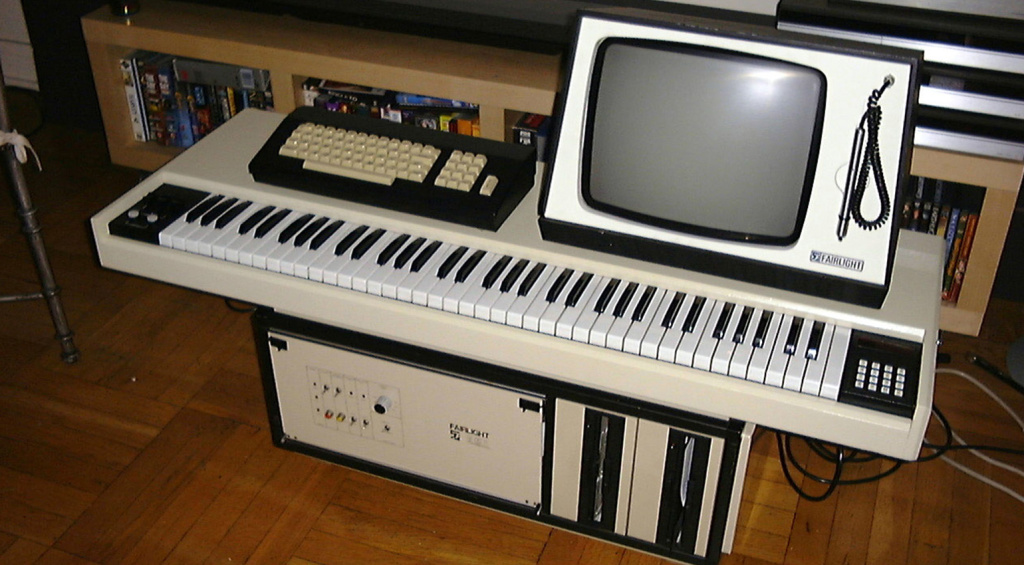
Fairlight CMI (Preset: Orch2)
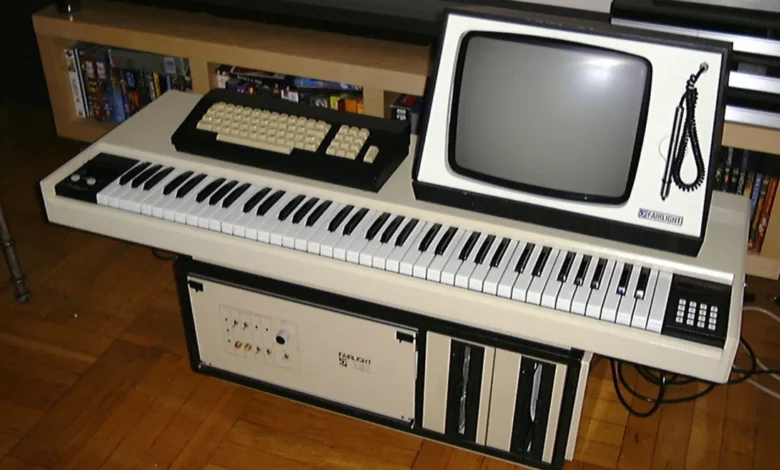
The introduction of the Fairlight Computer Musical Instrument (CMI) in 1979 did not merely influence pop music; it fundamentally revolutionized the operational mechanics of the recording industry. Recognized commercially as the world’s first digital sampler, the Fairlight CMI bridged the gap between acoustic performance and digital manipulation, inadvertently laying the groundwork for the modern Digital Audio Station (DAW). While early sampling technology was occasionally relegated to novelty sound effects or rhythmic stutters—as famously demonstrated by Paul Hardcastle’s 1985 hit "19"—one specific patch in the Fairlight factory library transcended novelty to achieve legendary status.
Designated as "Orch2" (and frequently referenced as "Orch5" due to the fluid evolution of the Fairlight factory sound library), this orchestral hit became a cornerstone of 1980s production. The historical provenance of the sample traces back to a commercial recording of Igor Stravinsky’s Firebird Suite, performed by the Philharmonia Orchestra of London under the direction of Josef Krips. Captured as a massive, rousing chord played simultaneously by nearly the entire orchestra, the recording was tailored to fit the strict memory constraints of the early CMI hardware.
The sample achieved mainstream notoriety when Arthur Baker and Afrika Bambaataa integrated it into their landmark 1982 electro track, "Planet Rock." From that moment forward, Orch2 became the definitive weapon for accentuating musical drops, breakdowns, and dramatic transitions across hip-hop, synth-pop, and dance music. Despite the inevitable democratization of digital sampling, which eventually led to widespread over-saturation, the legacy of Orch2 stands as a monument to the dawn of digital audio manipulation.
Yamaha DX7 (Preset: E.Piano1)
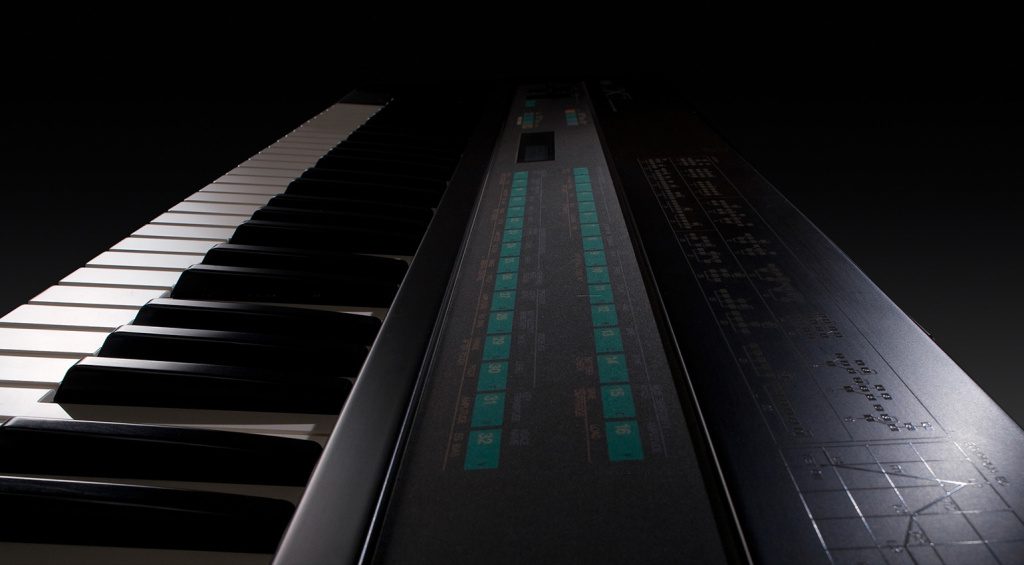
No discussion of 1980s pop production is complete without addressing the Yamaha DX7, a synthesizer that dominated commercial radio following its release in 1983. Among its extensive factory library, the "E.Piano1" patch stands out as one of the most commercially successful yet polarizing presets in music history. Designed by sound designers Gary Luenberger and Dave Bristow, the patch took the classic electromechanical Rhodes sound and infused it with pristine digital clarity, producing a bell-like tone that responded dynamically to keyboard velocity.
For contemporary purists, E.Piano1 frequently faces criticism as an overused sonic cliché. However, its historical footprint on R&B, soul, jazz-fusion, and adult contemporary balladry is undeniable. The patch provided a smooth, glossy aesthetic that perfectly complemented the polished production values of the mid-to-late 1980s.
Whenever listeners hear the signature introductory chords of countless R&B ballads and pop radio hits from that era, they are experiencing the pinnacle of Frequency Modulation (FM) synthesis reaching a mass audience. While the sheer volume of records utilizing E.Piano1 eventually exhausted radio listeners, the patch successfully ushered in an era of pristine digital fidelity that defined the decade’s commercial output.
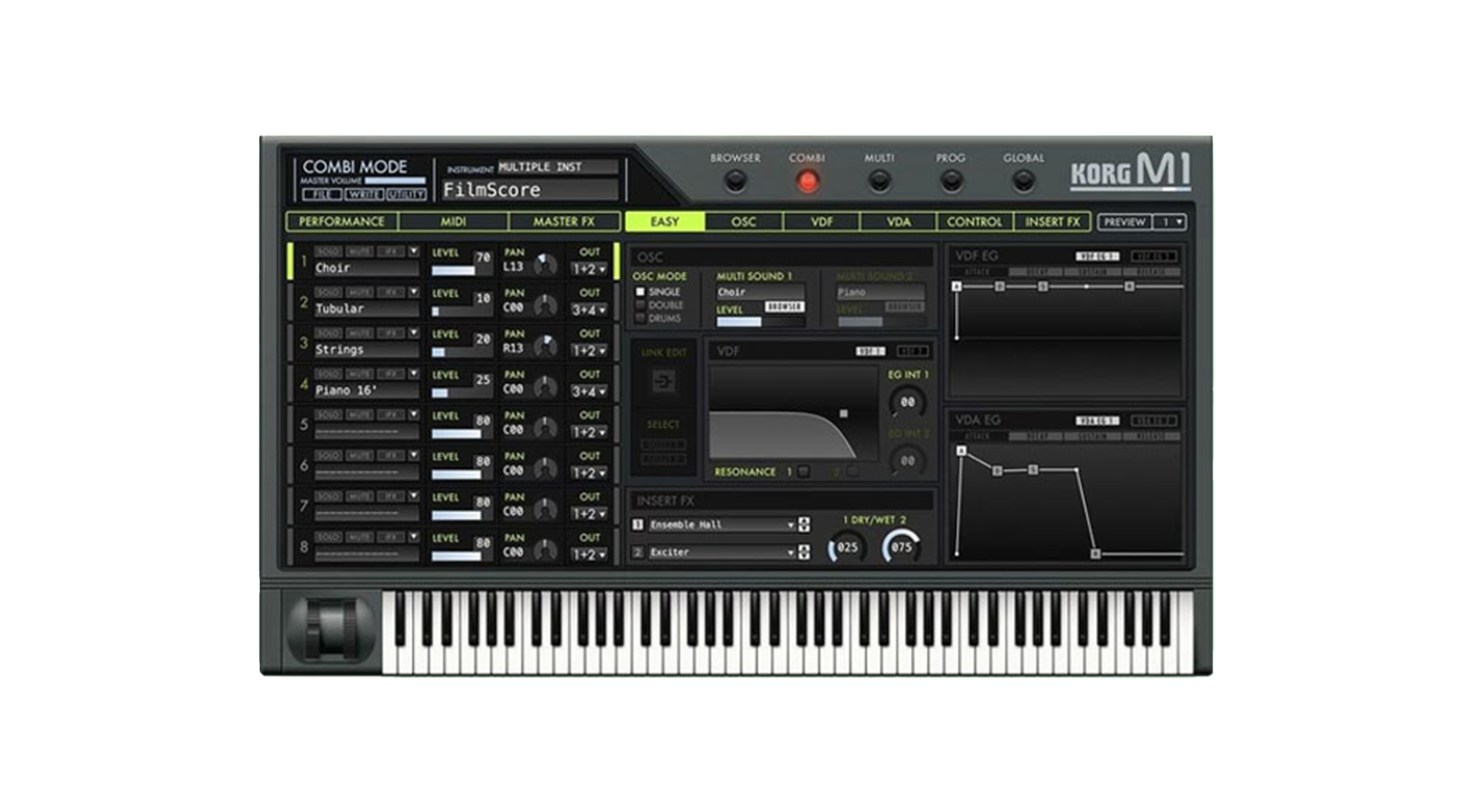
Korg M1 (Preset: Piano 16’)
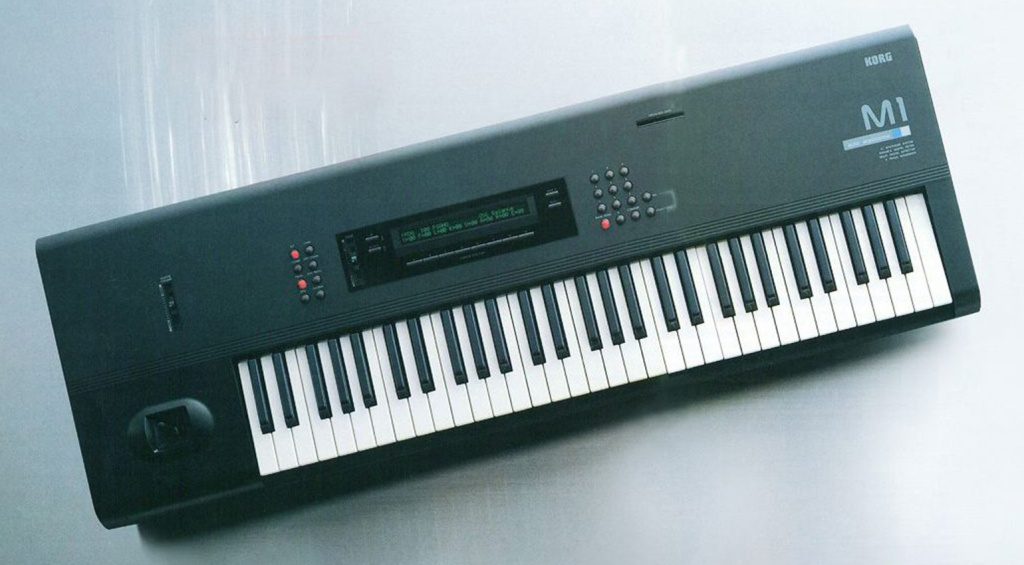
As the 1980s drew to a close, workstation synthesizers superseded traditional analog and early digital units by offering complete, all-in-one production environments. Released in 1988, the Korg M1 became the best-selling synthesizer of all time, largely driven by its onboard PCM sample playback engine. Among its vast library, the "Piano 16’" patch emerged as a ubiquitous fixture of late-20th-century club culture.
Unlike acoustic grand pianos, the M1 Piano possessed a compressed, intensely bright attack designed specifically to cut through dense, bass-heavy mixes. This sonic characteristic made it an indispensable tool for producers working within the burgeoning House music movement of the early 1990s. When utilized to play driving seventh chords, the patch generated an unmistakable sense of euphoric energy that galvanized dance floors across the globe.
Coupled with other foundational M1 presets—such as the iconic Organ Bass—Piano 16’ helped democratize electronic music production. It offered bedroom producers an affordable alternative to expensive multi-instrument setups, cementing its place as a structural pillar of early-90s dance music economics and aesthetics.
Yamaha TX81z (Preset: Lately Bass)
In the realm of electronic bass sounds, few patches carry the historic weight of "Lately Bass" from the Yamaha TX81z sound module. Released in the mid-1980s as a rackmount iteration of Yamaha’s second-generation 4-operator FM synthesis engine, the TX81z provided producers with advanced synthesis capabilities in a compact, cost-effective 1U format.
Lately Bass evolved from an earlier patch named "Solid Bass," found on the Yamaha DX21, DX27, and DX100 keyboards. When translated to the TX81z architecture—which incorporated multiple operator waveforms—the sound gained heightened punch, harmonic complexity, and a distinctive high-end fizz. Industry lore frequently links the patch’s moniker to Janet Jackson’s 1986 chart-topping single, "What Have You Done For Me Lately," though its true impact resonated most profoundly within the British and European underground dance scenes.
Throughout the late 1980s and early 1990s, techno, house, and electronica producers—including Orbital, Inner City, and Adeva—utilized Lately Bass as the rhythmic anchor for seminal tracks like Orbital’s "Chime." Many studio engineers famously left their TX81z units permanently dedicated to this single patch. Decades later, Lately Bass remains a benchmark for digital bass design, demonstrating how a factory preset can transcend its hardware origins to become an enduring genre staple.
Korg Prophecy (Preset: 303Growler RBN)
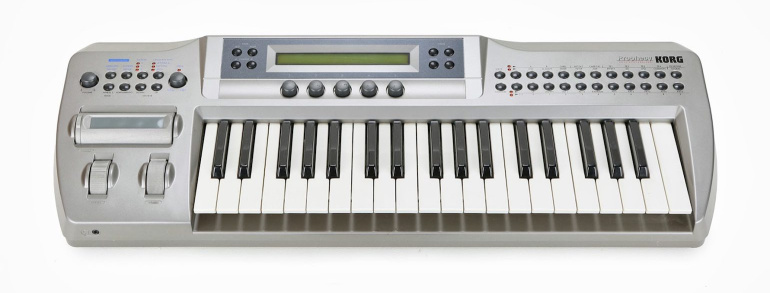
The commercial release of the Korg Prophecy in 1995 marked a watershed moment for virtual analog and physical modeling synthesis. Priced competitively at roughly £1,300, the monophonic instrument offered users the expressive capabilities of acoustic wind and brass modeling alongside aggressive analog emulations. For many, the Prophecy’s cultural apex is inextricably linked to The Prodigy’s landmark 1997 studio album, The Fat of the Land, which served as an aggressive showcase for the synthesizer’s sonic capabilities.

Within the instrument’s factory library, the "303Growler RBN" patch captured the attention of electronic music producers seeking a modern update to the classic Roland TB-303 acid bass sound. Leveraging the Prophecy’s physical modeling engine and onboard expression ribbon, the patch delivered a gnarly, harmonically rich, and menacing growl that resonated powerfully with the aggressive ethos of late-90s big beat and electronic rock.
While traditionalists initially questioned the value of a monophonic, 37-key performance synth during an era dominated by polyphonic workstations, the Prophecy proved that expressive control and aggressive character could redefine a genre. The enduring legacy of presets like 303Growler RBN underscores the profound impact that factory sound design has had on shaping the evolution of electronic music production.
Broader Implications and Industry Impact
The historical endurance of these five presets highlights a fundamental reality of music technology: a great sound is defined by its utility and emotional resonance, regardless of its origin. While the democratization of software synthesis and digital audio workstations has drastically expanded the sonic palette available to modern producers, the temptation to dismiss factory sounds remains a persistent industry bias.
Ultimately, these historic patches served as collaborative touchstones between visionary sound designers and pioneering artists. By embracing factory presets rather than treating them as creative shortcuts, musicians transformed stock programming into the defining audio signatures of entire cultural movements. As contemporary music production continues to evolve, the legacy of these foundational sounds serves as a compelling reminder that innovation often lies in how artists choose to utilize the tools already placed directly in their hands.