Platten der Woche: A Comprehensive Overview of Current Electronic Music Developments and Artistic Evolutions

The landscape of contemporary electronic music is currently defined by a confluence of structural reinvention and the exploration of hybrid sonic textures. This week’s releases, ranging from the deep, meditative techno landscapes of Artefakt to the percussive, world-music-infused experimentalism of Que Sakamoto, offer a panoramic view of an industry in transition. As labels like Delsin, Rekids, and No Speakers continue to curate sounds that challenge the traditional boundaries of the dance floor, producers are increasingly favoring long-form atmospheric development over the immediate gratification of loop-based compositions.
Artefakt and the Evolution of the Solo Studio Dynamic
The latest EP from Artefakt, titled Flow Tide, marks a significant juncture in the project’s history. Released on the Dutch label Delsin, this five-track collection serves as a case study in organic growth within the techno genre. Since its inception in 2012, Artefakt has been recognized as a collaborative duo. However, Flow Tide represents a pivotal moment: it is the first release produced solely by Nick Lapien.
This shift in production dynamics has resulted in a refined, minimalist aesthetic. While the EP maintains the project’s signature blend of melancholy electronica and desert-inspired soundscapes, it exhibits a higher degree of restraint. Analytical listening suggests that the tracks—such as the title track “Flow Tide” and the break-heavy “Undertow”—prioritize subtle texture over rhythmic aggression. This development mirrors a broader trend in electronic music where producers are pivoting toward "cinematic" production, emphasizing the listener’s immersion over club-utility. Delsin, a label historically instrumental in establishing the "open space" philosophy of techno, continues to serve as a bastion for this sound, bridging the gap between historical influence and modern production maturity.
The Industrial Precision of Carrier
Parallel to the meditative approach of Artefakt, the artist Carrier—the moniker of Guy Brewer—continues his trajectory toward brutalist sonic architecture with the release of the EP Thresholds. Following the critical success of his 2023 album, Rhythm Immortal, which effectively signaled his departure from the Shifted alias, Brewer has solidified a distinct identity within the darker, more industrial-leaning subgenres of techno.
The significance of the Thresholds EP lies in its juxtaposition of structural violence and technical finesse. The compositions are characterized by irregular, stuttering rhythms and deep-frequency oscillations that lean into claustrophobic territory. From a technical standpoint, Brewer utilizes a high-density sound design approach, layering sub-bass drones against sharp, unpredictable percussion. This release is indicative of a wider movement in underground techno that rejects the polished, standardized "four-on-the-floor" beat in favor of asymmetric, visceral rhythmic structures. Industry analysts note that this shift toward "fear-based" soundscapes serves as a reflection of the current socio-cultural zeitgeist, where sonic tension is increasingly used to mirror the complexities of the digital age.
The Resilience of Dub Techno: DJ Honesty
The persistence of the dub techno genre is reaffirmed by the debut of DJ Honesty on the label No Speakers. His latest effort, the Unknown Pleasures EP, arrives at a time when the genre is experiencing a resurgence through the integration of bass-heavy production techniques. The Cologne-born, Lisbon-based producer demonstrates an adeptness at blending traditional dub motifs with contemporary breakbeat and acid influences.
The track “Gomma Natural” serves as a primary example of this synthesis. Rather than adhering to the rigid templates of 1990s dub techno, Honesty incorporates fluid, wobbling basslines that provide a softer, more rhythmic bounce. The inclusion of an Arkajo remix on the EP further highlights the industry’s focus on collaborative cross-pollination. By accelerating the tempo and tightening the percussive elements, the remix illustrates the versatility of the original source material. This release provides evidence that dub techno remains a vital, evolving framework, capable of absorbing influences from bass music and ambient, rather than remaining static in its historical echo.
House Music’s Mainstream Expansion: Fort Romeau
On the house music front, London-based producer Michael Green, known professionally as Fort Romeau, has released the Lovin’ U EP via Rekids. This project arrives following a decade of releases on high-profile labels including Ghostly International and Running Back. The EP is notable for its accessibility and its strategic use of emotive vocal samples, a hallmark of contemporary house production.
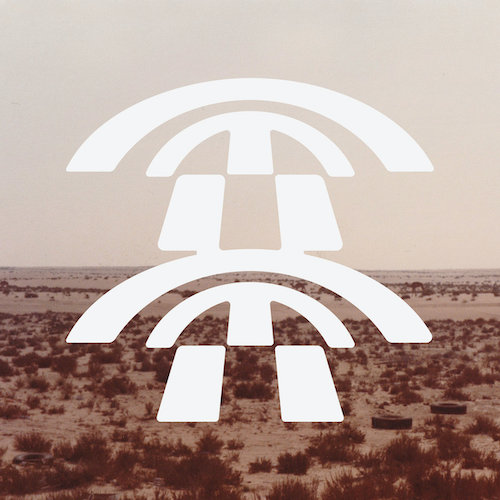
The title track, “Lovin’ You,” demonstrates a sophisticated layering of string arrangements and synthesizers, signaling a return to the "anthemic" house style that dominated mid-2010s club culture. By incorporating elements of the Madchester piano aesthetic and atmospheric pads, Green positions this EP as a bridge between the intimate club environment and larger festival stages. The production reflects a calculated effort to balance technical complexity with broad appeal, a strategy that is increasingly prevalent among veteran house producers seeking to maintain relevance in a saturated market.
Cross-Cultural Synthesis: The Que Sakamoto Project
The most experimental offering of the current cycle comes from Tokyo-based DJ Que Sakamoto, alongside NT and percussionist Paulo Santos. Their collaborative Bruma EP, released on Planet Mushroom, represents a significant exploration of world-music fusion within an electronic context. The project utilizes instruments hand-crafted by Paulo Santos in Brazil, resulting in a distinct, metallic, and organic sound palette.
The EP’s departure from standard digital synthesis is its most defining characteristic. Tracks like “Beleza” incorporate live instrumentation, including string-based sounds that evoke the textures of traditional instruments like the Mongolian horse-head fiddle, layered over electronic percussion. This cross-pollination of Tokyo-based electronic sensibilities and Brazilian artisanal percussion is emblematic of the "globalized" nature of current underground production. By moving away from purely synthesized sounds, the EP challenges the audience to engage with music that prioritizes acoustic texture and rhythmic unpredictability over standard genre tropes.
Broader Industry Implications and Future Outlook
The diversity of these releases—from the introspective, minimalist techno of Artefakt to the experimental, instrument-focused fusion of Que Sakamoto—suggests several key trends currently influencing the electronic music sector:
- The Shift Toward Narrative-Driven Compositions: Artists are increasingly moving away from dance-floor functionality as the primary goal of their production. Instead, they are crafting EPs as cohesive, story-driven narratives, reflecting a shift in how audiences consume music through streaming platforms rather than just through live DJ sets.
- The Resurgence of Hardware and Organic Textures: As digital production becomes more accessible, there is a visible counter-movement towards "organic" sound design. Whether through the use of hand-crafted instruments or the nuanced manipulation of analog hardware, producers are seeking to differentiate their work through unique, physical sound qualities.
- The Deconstruction of Genre Labels: The boundaries between house, techno, and ambient are becoming increasingly porous. Producers are no longer strictly adhering to the stylistic mandates of their respective genres, opting instead for a fluid approach that allows for greater artistic expression.
As the electronic music industry looks toward the next quarter, these releases provide a roadmap for the ongoing evolution of the medium. The focus on deep, atmospheric, and highly textural soundscapes indicates that while the dance floor remains a vital site for distribution, the artistic focus has shifted toward the creation of lasting, high-fidelity sonic experiences that function equally well in headphones as they do in high-volume, club-based environments. This trend is expected to continue as artists look to balance the demands of the global market with the desire for personal and technical innovation.