Phoebe Bridgers The Lost Tour 2026 Marks Major Return to Solo Performance Across the United States

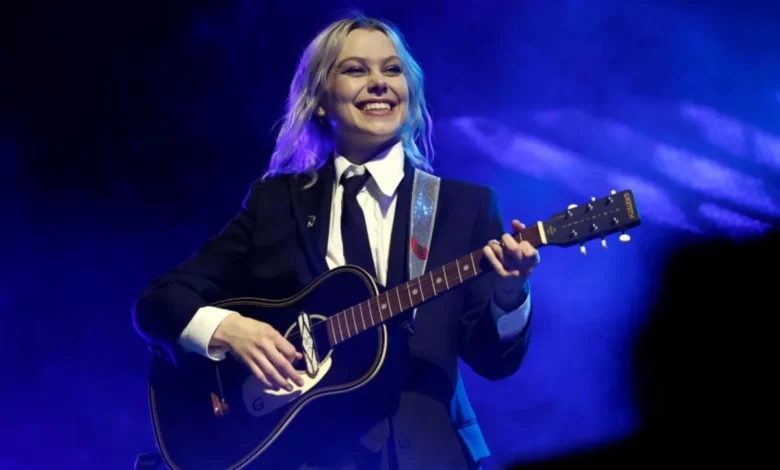
The singer-songwriter Phoebe Bridgers, an artist whose critical acclaim has ascended rapidly since her debut, has officially returned to the concert stage for her highly anticipated solo headlining trek, The Lost Tour. After spending a significant portion of 2023 immersed in the collaborative energy of the supergroup boygenius—alongside Julien Baker and Lucy Dacus—Bridgers is now pivoting back to her singular artistic vision. This fall, she is traversing the United States, bringing her evocative and often melancholy songbook to major metropolitan hubs including Chicago, Brooklyn, Detroit, and Philadelphia. The tour represents her first dedicated solo run since the 2021 Reunion Tour, marking a pivotal moment in her career as she promotes her latest studio album, Lost Weekend, which saw a widespread release this past August.
The momentum behind this tour is substantial. Following the massive cultural footprint left by her previous solo work and the overwhelming success of the boygenius "The Record" cycle, demand for tickets has been high. The tour is currently scheduled to conclude its North American leg on Sunday, November 1, at the newly inaugurated Intuit Dome in Inglewood, California. Following this final domestic performance, Bridgers will immediately transition to a series of dates across Europe, underscoring the global reach of her current musical project.

The Evolution of the Live Experience
Phoebe Bridgers’ live performances have historically been characterized by an intimate, almost cinematic atmosphere, often punctuated by the stark, ghostly imagery that has become a visual signature of her brand. The Lost Tour is no exception, though it arrives with a renewed sense of scale. By choosing venues like the Intuit Dome, Bridgers is signaling a maturation in her live production capabilities. The inclusion of indie stalwart Alex G as the primary opening act for the U.S. leg has further heightened interest in the tour. Alex G, whose own critical standing has grown in tandem with the indie-rock resurgence, provides a complementary sonic backdrop to Bridgers’ lyrical explorations of isolation, growth, and the complexities of modern life.
The decision to tour in support of Lost Weekend suggests a deliberate return to the themes that first garnered her a dedicated following. The album, which has performed well on the Billboard Top Rock & Alternative Albums charts, serves as the narrative anchor for these live sets. For fans who have followed her career from her early EPs to the breakout success of Punisher, this tour offers an opportunity to witness how her latest compositions translate to a live, multi-sensory environment.
Chronology and Tour Logistics
The schedule for the North American leg of The Lost Tour was meticulously planned to cover key cultural markets. The tour commenced in late summer, coinciding with the promotional window for her album. By hitting major markets like Chicago, Detroit, and the Northeast corridor, Bridgers and her team have managed to maximize reach while maintaining the artistic integrity of the performances.

As the tour approaches its conclusion at the Intuit Dome, the logistical focus has shifted toward the secondary ticket market. Given that many of the initial ticket allotments sold out within hours of the public on-sale date, the secondary market has become the primary point of access for fans seeking entry. Major platforms, including StubHub, Vivid Seats, SeatGeek, and Gametime, have seen significant volume in transaction activity for these dates. The presence of official resale programs, such as the Ticketmaster Face Value Exchange, has provided a degree of stability in pricing for those who were unable to secure tickets during the initial release.
Market Dynamics and Ticket Accessibility
The demand for live music in the post-2023 landscape has been defined by volatility, with high-profile tours frequently selling out in minutes. For The Lost Tour, the market has responded with predictable intensity. Retailers have utilized various incentives, including promo codes such as BB30, BILLBOARD10, and others, to engage fans who are navigating the high cost of live entertainment.
The integration of all-in pricing on platforms like StubHub and TicketNetwork has been a notable shift in the industry, intended to increase transparency for consumers. By displaying fees upfront, these platforms aim to mitigate the "sticker shock" that often occurs at the final stage of the checkout process. Furthermore, the guarantees offered by these platforms—such as the "FanProtect Guarantee" from StubHub and the "100% Buyer Guarantee" from Vivid Seats—serve as a necessary layer of consumer protection in an era where digital ticket fraud remains a concern for large-scale tours.

For the budget-conscious concertgoer, the landscape remains competitive. As of mid-October, entry-level prices for various dates on the tour have fluctuated between $50 and $80, depending on the venue’s capacity and the proximity of the performance date. These fluctuations are typical for high-demand tours, as prices often adjust based on real-time supply and demand metrics on third-party resale sites.
Broader Implications for the Touring Industry
The success of The Lost Tour provides a clear indicator of the current state of the indie-alternative touring circuit. Despite the pressures of inflation and the rising costs of production and transportation, there remains a robust appetite for artists who offer a distinct, emotionally resonant live experience. Bridgers’ ability to sell out arenas—a feat that was once reserved for artists with significantly more radio play—speaks to the power of a dedicated, digitally-native fan base.
Industry analysts note that this tour also serves as a masterclass in modern artist branding. By balancing the intimacy of her early work with the spectacle of modern arena production, Bridgers has successfully transitioned into a tier of stardom that allows for both creative freedom and commercial viability. Furthermore, the selection of supporting acts like Alex G demonstrates a commitment to the indie-rock ecosystem, ensuring that the tour feels like a curated experience rather than a generic stop on a circuit.

Looking Ahead: The European Transition
As the North American chapter of the tour nears its end, the transition to the European market will require significant adjustments in logistics and promotion. The European leg will be closely watched by industry insiders, as it will serve as a barometer for the international resonance of Lost Weekend.
For those unable to attend the remaining U.S. shows, the reliance on resale platforms has become the standard mechanism for engagement. As the final dates at the Intuit Dome approach, the secondary market will likely see a surge in last-minute activity. Fans are advised to utilize verified, reputable platforms that offer clear cancellation protections, especially as the tour prepares to cross international borders.
In summary, The Lost Tour is more than just a promotional run for a new album; it is a manifestation of Phoebe Bridgers’ current artistic peak. By bridging the gap between her roots in the indie scene and her current status as a stadium-level draw, she has created a roadmap for other songwriters looking to navigate the complexities of the modern music industry. Whether through the lens of a fan seeking a ticket or an analyst observing the shifting trends in live entertainment, the tour remains one of the most significant musical events of the 2026 fall season. As the tour moves toward its grand finale in Inglewood, it leaves behind a string of successful performances and a testament to the enduring appeal of authentic, artist-led songwriting.