Roland TD-07KV2 Electronic Drum Set Review: A Refined Evolution for Modern Percussionists

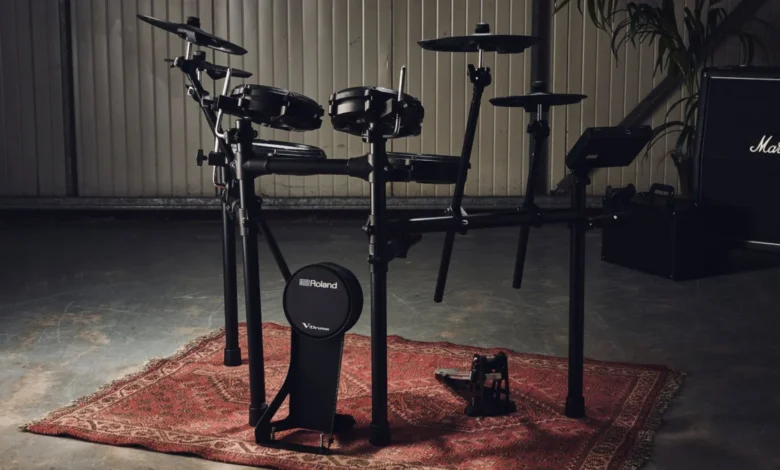
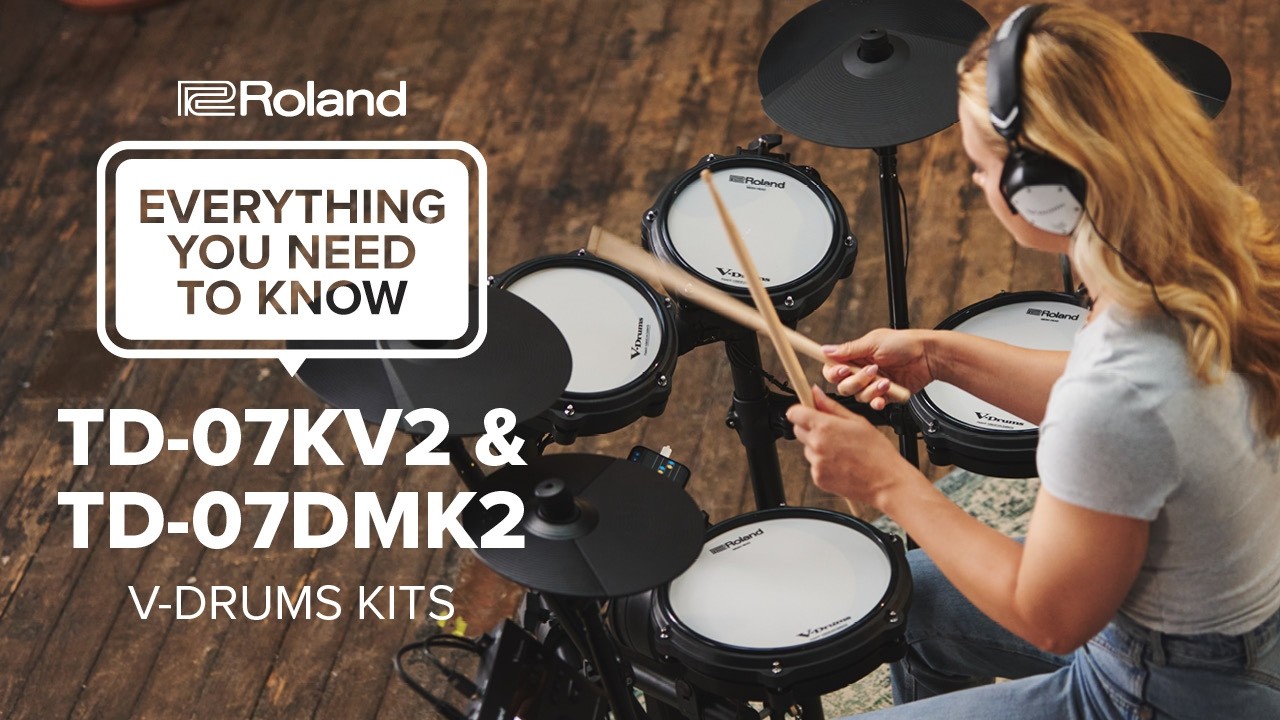
The Roland TD-07KV2 Electronic Drum Set represents the latest iteration in the company’s effort to bridge the gap between entry-level accessibility and professional-grade performance. Since the launch of the original TD-07KV in late 2020, Roland has focused on streamlining its V-Drums ecosystem, transitioning from the initial rollout of the TD-07KX, KVX, and DMK configurations to a more consolidated lineup. The arrival of the TD-07KV2, alongside the companion TD-07DMK2 model, marks a significant shift in how Roland approaches the beginner-to-intermediate market, emphasizing faster assembly, enhanced hardware, and improved tactile feedback.
The Evolution of the TD-07 Series
To understand the positioning of the TD-07KV2, one must look at the timeline of the V-Drums series. Following the success of the 2020 launch, Roland recognized a demand for more nuanced control and varied configurations. By 2021, the company had expanded the range, but the current transition to the "2" series signals a refinement of those earlier concepts. The TD-07KV2 is designed as a direct successor, retaining the core sound module while addressing mechanical complaints that had surfaced over the last three years.
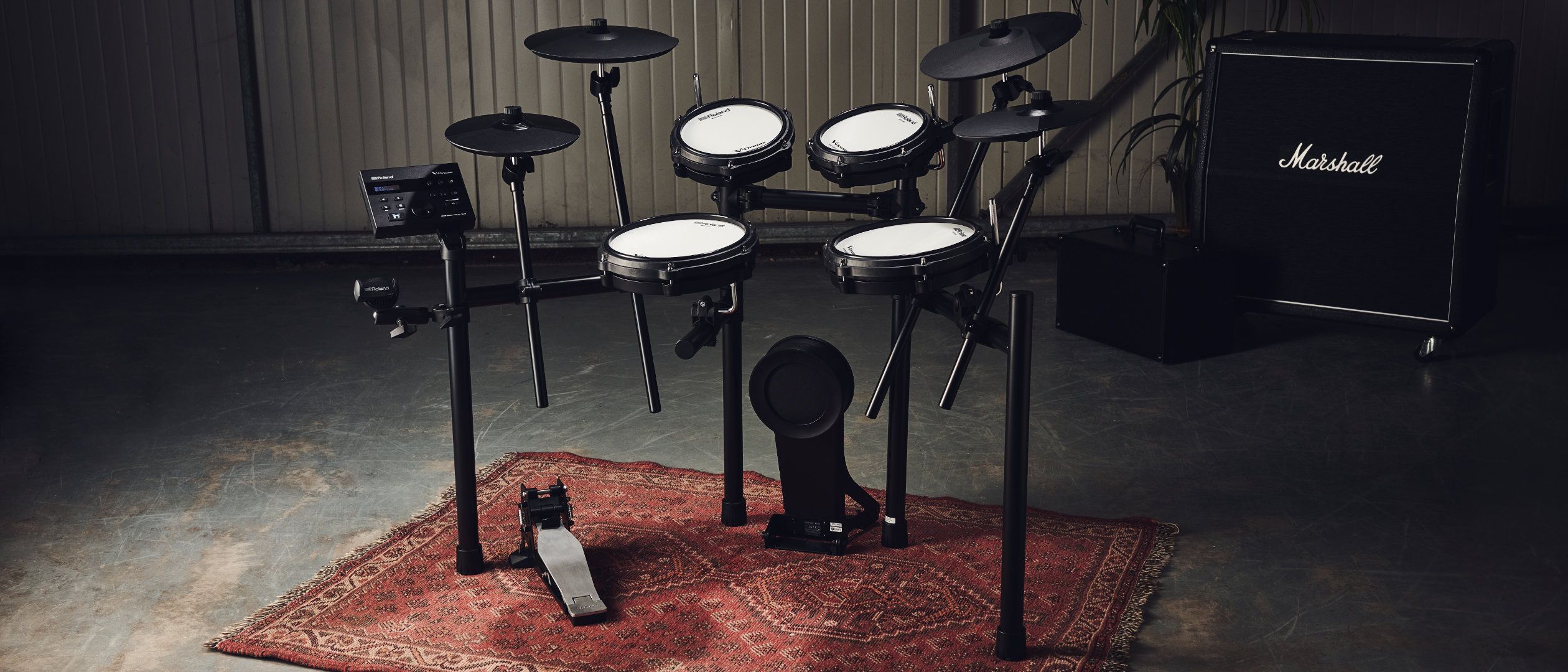
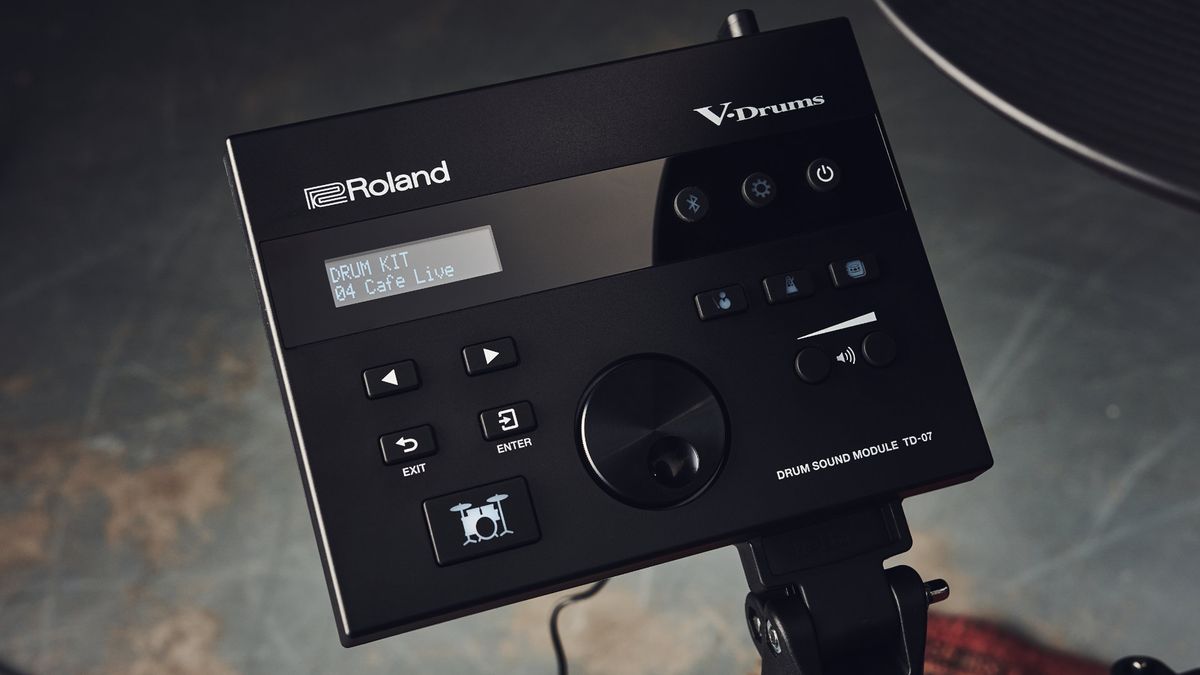
The module itself, the TD-07, remains the heart of the unit. While it has seen minimal internal hardware changes since its debut, Roland has updated its internal coaching software to better align with the pedagogical needs of modern students. This strategy—keeping the "brain" consistent while upgrading the "body"—is a cost-effective way for the manufacturer to maintain price stability while offering a superior physical playing experience.
Comparative Hardware Specifications
The market for electronic drums is highly competitive, and the distinction between the $899.99/£779 TD-07DMK2 and the $1,099.99/£999 TD-07KV2 is defined by several key hardware upgrades. The KV2 justifies its premium price point through an additional cymbal pad, a larger low tom pad, and the inclusion of the FD-9 hi-hat control pedal.
The cymbal setup on the KV2 is particularly noteworthy. It utilizes 12-inch crash and ride pads, providing a more natural rebound and spatial awareness compared to the 10-inch pads found on the DMK2. The FD-9 pedal, borrowed from the more expensive 3 Series, is arguably the most critical addition. Unlike standard entry-level pedals, the FD-9 is engineered for structural stability and allows for significantly more nuanced left-foot control, a necessity for drummers transitioning from acoustic kits who require precise "chick" and "splash" sounds.
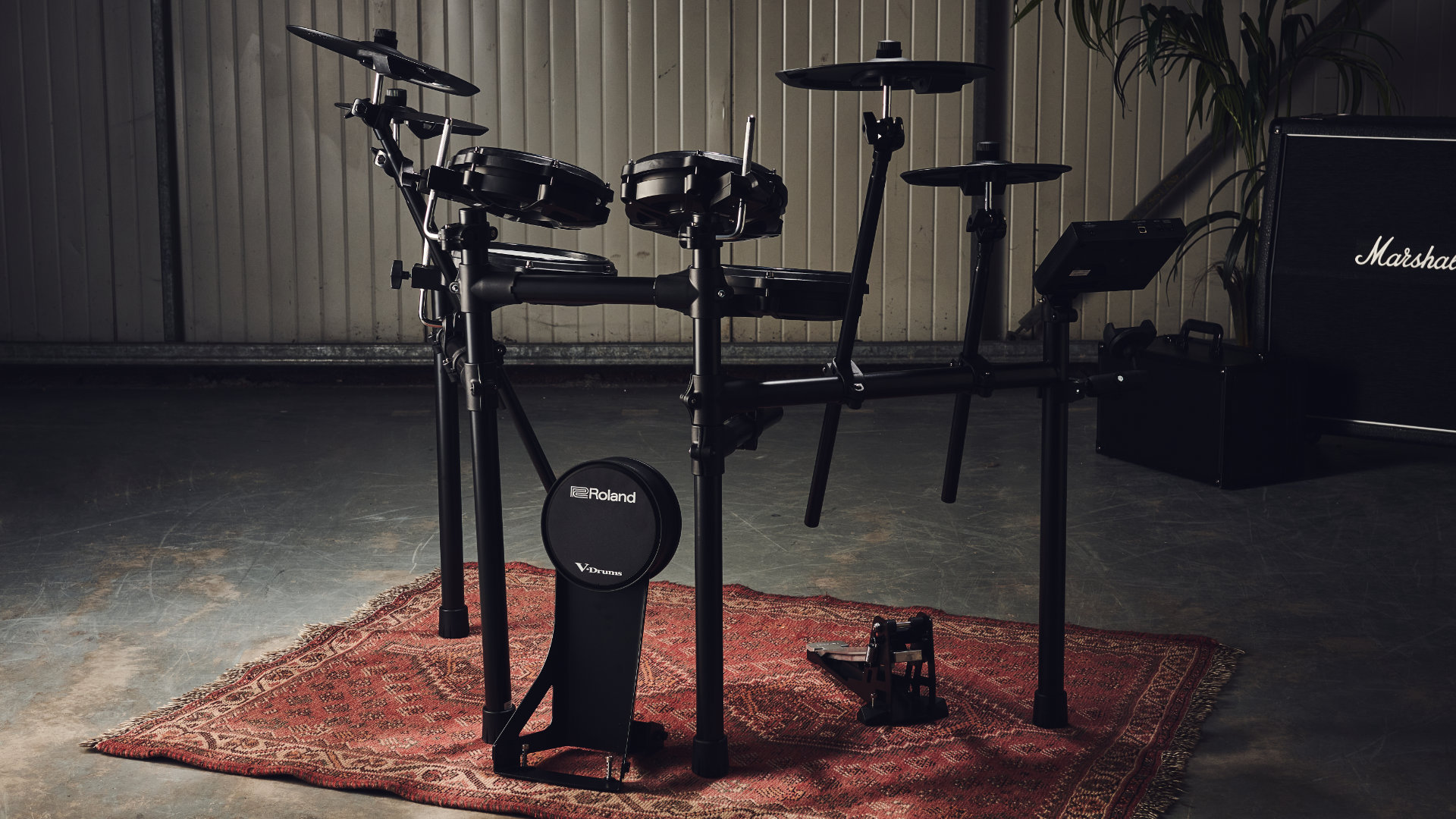
The mesh pads on the KV2 have also undergone a significant redesign. Borrowed from the premium V-Drums 3 Series, the PD-10H and PD-8H pads feature rubber rims that are substantially quieter and more durable than their predecessors. Furthermore, these pads address the common "hot-spotting" issue—where the trigger sensitivity peaks in the center—resulting in a more uniform response across the entire mesh surface.
Streamlined Assembly and Environmental Considerations
One of the most significant barriers to entry for new electronic drum users has historically been the complexity of the rack system. Recognizing that assembly can often deter casual players, Roland has re-engineered the rack for the TD-07KV2. The four-post system now arrives in two pre-assembled halves. This "built-in-the-box" approach significantly reduces the time required for setup, allowing the user to simply connect a central tube before mounting the pads.
In addition to the practical benefits, this design change aligns with Roland’s broader corporate social responsibility goals. The company has moved toward reduced, recyclable packaging. By consolidating components and simplifying the rack, the overall volume of the shipping container has been minimized, reducing the carbon footprint associated with the distribution of the kits.
Acoustic Integration and Noise Reduction
A persistent challenge in the electronic drum market is the "thump" of the bass drum pedal, which can transmit vibration through floorboards into other parts of a building. The TD-07KV2 includes the KD-10 kick drum tower, which provides a stable platform for single or double pedals. However, the updated rack geometry is perhaps the more interesting development. The center bar is now wider, intentionally designed to accommodate the KDQ-8 "Quiet Design" bass drum pad. This modularity allows users to upgrade their kit specifically for home environments where acoustic volume must be strictly managed.
The Role of Software in Skill Development
Roland has continued its partnership with Melodics to bolster the educational value of the TD-07KV2. Each kit includes a subscription pass for 40 interactive drum lessons. This software integration reflects the current industry trend of "gamifying" music education. By providing real-time feedback on timing and strike accuracy, the Melodics integration serves as a bridge for autodidacts who may not have immediate access to a private tutor.
The module’s Bluetooth connectivity further enhances the practice experience, allowing players to stream backing tracks directly through the drum brain. This eliminates the need for external mixing consoles or complicated cable routing, which is a major advantage for home practice setups where space is often limited.
Limitations and Technical Analysis
Despite these improvements, the TD-07KV2 is not without its limitations. A notable point of contention for experienced players is the lack of a dedicated ride bell zone. Because the cymbal pads are configured as dual-zone (bow and edge), the ride function does not inherently support a bell sound.
While the system is programmable, the process of reassigning sounds within the module’s menu system is, as some users have noted, somewhat cumbersome. The user must manually navigate the UI to map the edge sound to a bell trigger, a task that, while saved once completed, feels like an unnecessary hurdle in an otherwise refined product. This is a common compromise in the sub-$1,500 segment, yet for a kit marketed as a serious practice tool, the lack of a native ride bell remains an oversight.
Market Context and Future Implications
The release of the TD-07KV2 arrives at a time when the "hybrid" drummer—a musician who plays both acoustic and electronic kits—is becoming the industry standard. Roland’s focus on the 3 Series hardware for the 07 line suggests a strategic effort to consolidate their manufacturing processes. By sharing components across multiple tiers, the company can maintain higher quality control while keeping costs competitive against emerging brands from Asia that have begun to encroach on the entry-level market.
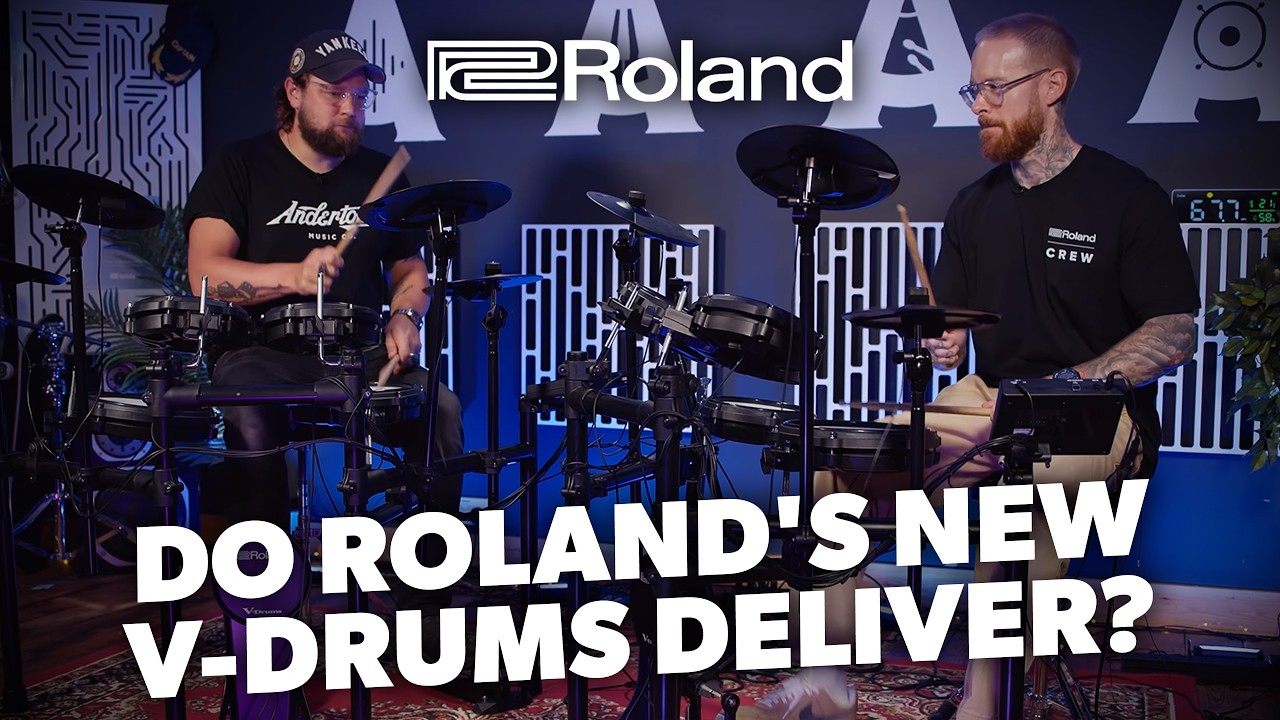
From an economic standpoint, the $200 price difference between the KV2 and the DMK2 is well-supported by the hardware upgrades. The FD-9 pedal alone holds significant individual retail value, making the KV2 a more attractive proposition for anyone who plans on playing the instrument long-term.
Conclusion
The Roland TD-07KV2 serves as a robust, user-friendly, and sonically capable kit that effectively meets the needs of its target demographic. By simplifying the assembly process and upgrading the physical hardware to match the standards of higher-tier series, Roland has successfully extended the lifecycle of the TD-07 module.
While it faces challenges regarding the ride bell functionality and the manual labor involved in deep-menu sound customization, these are minor caveats in a product that otherwise excels in playability and build quality. For the student or the professional needing a reliable home-practice solution, the TD-07KV2 provides a balanced, well-engineered package that represents the current pinnacle of mid-range electronic drum technology. As the industry moves toward more integrated, app-driven learning, Roland’s commitment to combining hardware longevity with software support positions the TD-07KV2 as a formidable contender in the current musical equipment landscape.