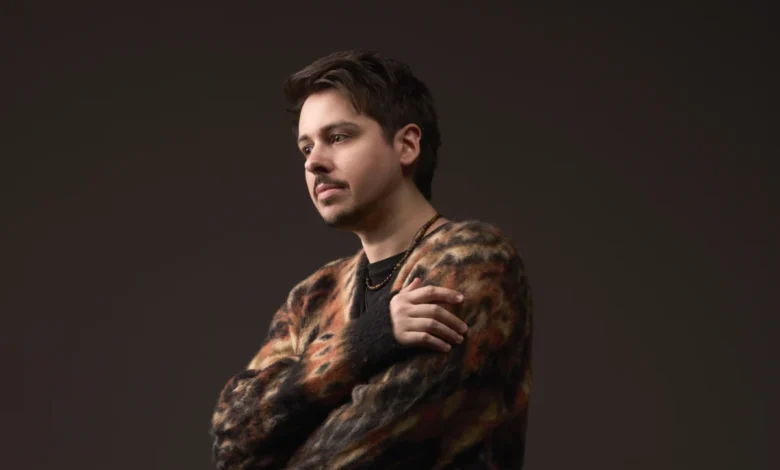
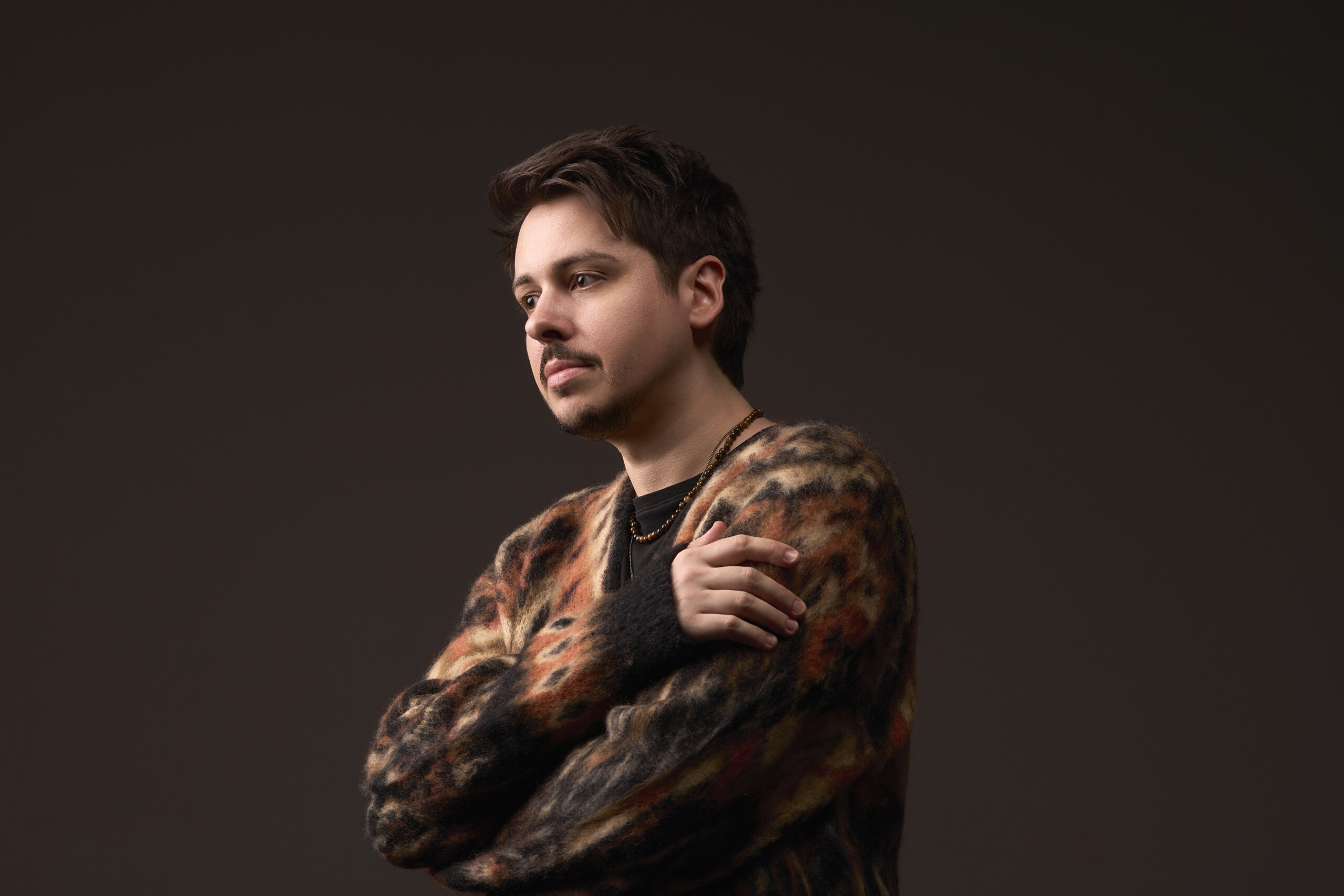
The 2023 relocation of Australian composer, producer, and multi-instrumentalist Dan Webb from Melbourne to Singapore marked a pivotal shift in both his personal narrative and his artistic output. This geographical transition served as the catalyst for his fifth studio album, Lion Dance, a project that weaves complex threads of Taoist and Buddhist philosophy, cross-cultural observation, and high-caliber jazz-fusion collaboration. While the album serves as a creative milestone, its development was inextricably linked to a period of profound personal loss, creating a juxtaposition between the celebratory nature of its title and the introspective themes of mortality that permeate its composition.
The Chronology of Creation
The genesis of Lion Dance can be traced back to a specific, visceral moment in Da Nang, Vietnam. While traveling, Webb witnessed a traditional lion dance performance—a centuries-old ritual associated with prosperity and the warding off of malevolent spirits. The experience of the performance, characterized by its rhythmic percussion, vibrant kinetic energy, and communal significance, provided the conceptual framework for the record.
Parallel to the creative germination of the album, Webb’s life underwent significant upheaval. As he neared the completion of the project, he navigated the sudden passing of three family members in rapid succession. This proximity of life-altering grief and the artistic endeavor to capture a "rebirth" through sound mirrors the very spiritual teachings he began exploring. The album, therefore, functions as a sonic bridge between the celebration of life, as seen in the street-level performance in Da Nang, and the quiet, heavy contemplation of death and transition.
Collaborative Architecture and Technical Composition
Webb’s approach to Lion Dance involved a deliberate strategy of engaging high-profile collaborators to translate his vision into a sophisticated fusion landscape. The roster of contributors reflects a cross-section of modern musical pedigree, including musicians who have provided instrumental expertise to industry icons such as David Bowie, Snarky Puppy, and The Rolling Stones.
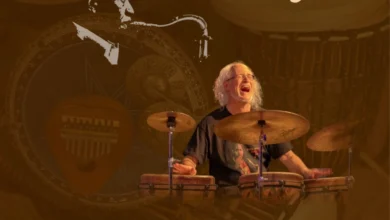
A primary example of this synergy is the track "Hungry Ghosts." The composition features Clive Deamer, a percussionist whose experience with rhythm-heavy ensembles lends a foundational, funk-driven pulse to the piece. This is augmented by the work of keyboardist and synth specialist Dennis Hamm, who introduces dense, atmospheric textures that ground the track in a psychedelic aesthetic. Guitarist Bob Lanzetti provides the final layer, utilizing distorted, acid-etched riffs that push the composition toward a more experimental fusion territory.
Notably, the track concludes with an intentional, abrupt silence—an editorial choice designed to mimic the disruption of a power source or a sudden severance of a signal. In the context of the album’s thematic exploration of "hungry ghosts"—a term derived from Buddhist theology referring to beings driven by intense, unsatisfied cravings—this sudden cessation forces the listener into a state of anticipation, effectively mirroring the "hunger" described in the track’s title.
Contextualizing the Artist’s Trajectory
Lion Dance serves as the direct successor to Webb’s 2023 project, Sunshine/Dialogue. Whereas his previous work leaned into a documentary-style format—utilizing musical beds to support audio interviews with various contemporary artists—Lion Dance represents a return to purely instrumental composition and conceptual narrative.
This evolution illustrates a broader trend among contemporary composers who are increasingly moving away from rigid genre definitions. By shifting between interview-based production and abstract conceptual albums, Webb demonstrates a versatility that aligns with the modern independent music market, where the ability to pivot between media formats is as critical as technical proficiency.
Philosophical and Cultural Underpinnings
The infusion of Eastern philosophy into Western jazz fusion is a deliberate, albeit complex, artistic choice. The lion dance is historically intended to bring luck and expel negativity; by choosing this as his titular metaphor, Webb addresses the challenge of moving forward after personal tragedy.
From an analytical perspective, the album touches upon the concept of the "liminal space"—the area between the familiar (Australia) and the unknown (Singapore/Vietnam). The transition from the structured, familiar environment of Melbourne to the high-density, culturally distinct atmosphere of Southeast Asia often precipitates such creative shifts in artists. The record effectively acts as a repository for these experiences, converting the anxiety of migration and the finality of grief into a coherent, rhythmic, and melodic language.
Market Impact and Industry Implications
The release of Lion Dance arrives at a time when instrumental fusion is seeing a resurgence in global markets, driven by the increased accessibility of independent streaming platforms and a growing audience for "genre-blind" compositions. Webb’s decision to involve session musicians with links to legendary acts serves a dual purpose: it ensures a high production standard that appeals to audiophiles, and it provides a bridge for listeners familiar with the established sounds of the 1970s and 80s fusion eras.
Furthermore, the economic and cultural impact of an artist of Webb’s profile relocating to Singapore highlights the growing importance of the Asian music scene in the global creative economy. Singapore, a hub for international business and an increasing center for digital arts, provides a unique ecosystem for Western-trained musicians to collaborate with regional talent and integrate diverse musical influences.
Analytical Assessment of the Work
When evaluating the technical merit of Lion Dance, it is evident that the production values prioritize "vibrancy" and "percussive density." The use of distortion, as heard in the guitar work, suggests an influence from the avant-garde, while the rhythmic structures remain firmly rooted in the tradition of groove-based fusion.
The implications of such an album for the broader jazz landscape are twofold:
- Thematic Depth in Fusion: It demonstrates that instrumental music continues to be a viable vehicle for exploring heavy, non-musical themes such as bereavement and philosophical rebirth.
- Global Integration: The record serves as a case study for how global travel and cross-cultural experiences are becoming foundational to the creative process of the modern independent composer.
Concluding Observations
The trajectory of Dan Webb’s career since his 2023 relocation suggests that his future projects will likely continue to emphasize this synthesis of personal experience and broad cultural observation. Whether his upcoming works will maintain the fusion-heavy approach of Lion Dance or pivot toward another experimental direction remains to be seen. However, given the technical success of this album and the depth of his collaborative network, the professional consensus is that his output warrants sustained attention from both critics and listeners.
As the industry continues to evolve, artists who can successfully translate abstract, emotional experiences—such as the witnessing of a traditional performance or the navigation of deep personal loss—into structured musical form will remain at the forefront of the genre. Lion Dance is, if nothing else, a testament to the fact that while the physical geography of an artist may change, the ability to channel that displacement into a resonant, professional-grade body of work remains a constant in the world of high-concept music production.
The record concludes not with a final resolution, but with an invitation for the listener to engage with the concepts of transition and longing—a fitting end to an album that treats the act of creation as a continuous, ever-shifting performance.