Samsung S99H vs Sony Bravia 8 II: Choosing the best OLED television for your home cinema setup

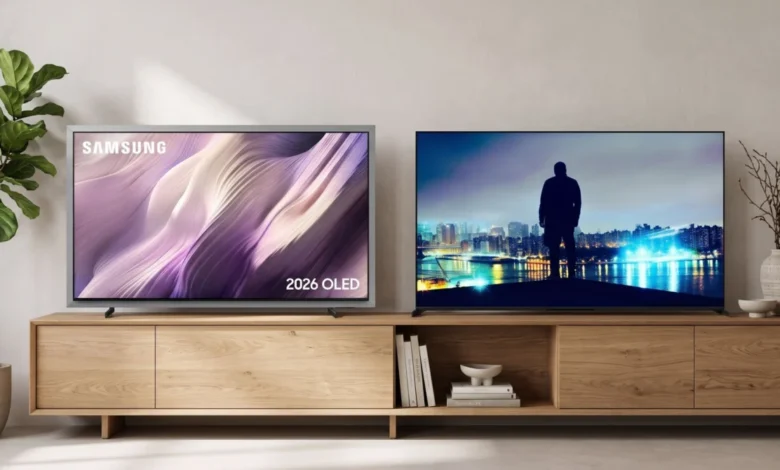
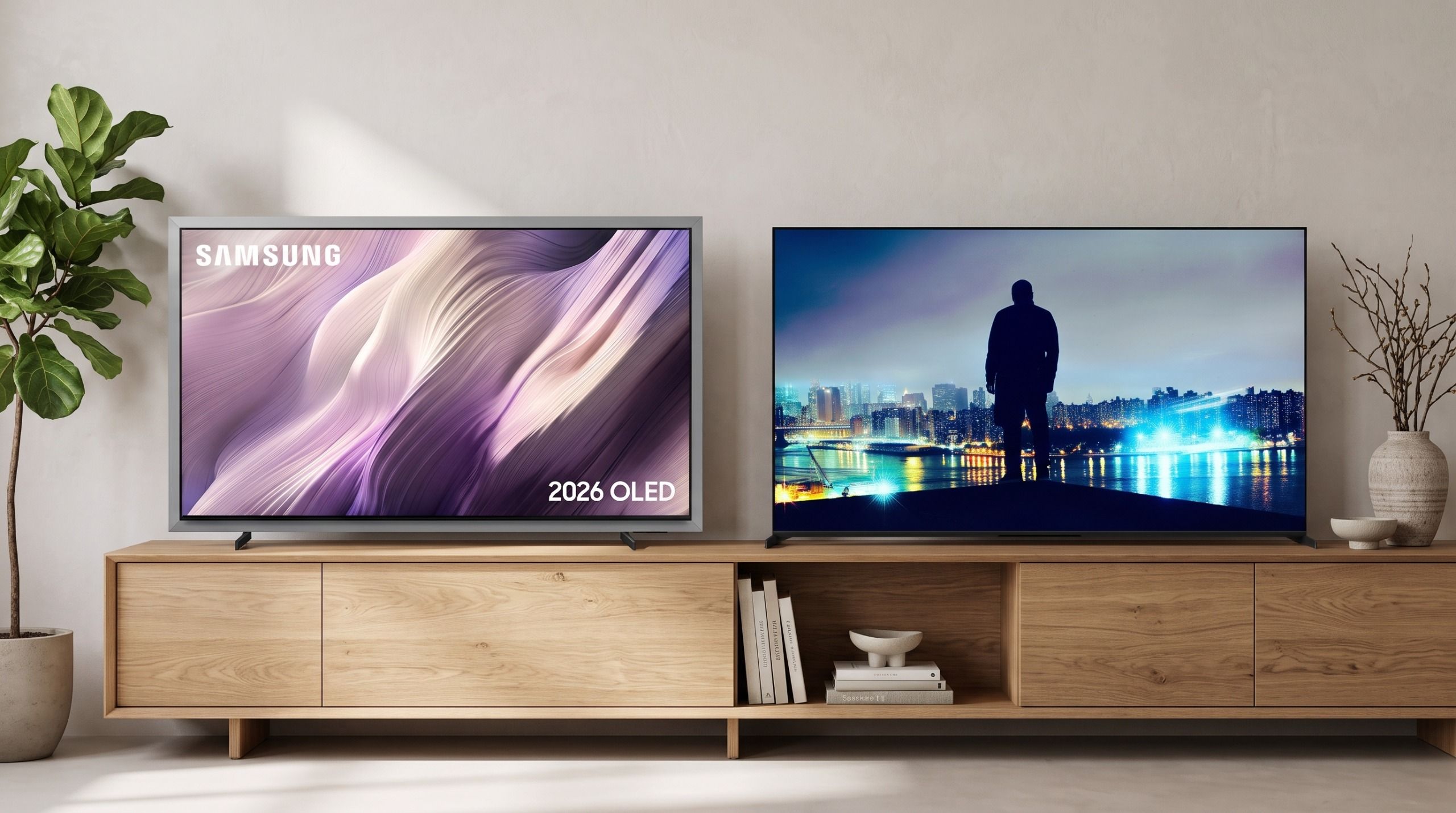
The landscape of high-end home entertainment is currently defined by a fierce technical rivalry between two dominant OLED technologies: the Samsung S99H and the Sony Bravia 8 II. As the industry approaches the end of the calendar year, market fluctuations driven by major retail events like Black Friday have fundamentally altered the consumer calculus regarding these two flagship displays. While both televisions represent the pinnacle of modern visual engineering, their distinct approaches to panel technology, gaming performance, and audio-visual processing create a complex decision matrix for prospective buyers.
Technical Foundations and Panel Evolution
The Samsung S99H utilizes the latest iteration of QD-OLED (Quantum Dot OLED) technology. This architecture is designed to address the historical brightness limitations of traditional OLED panels by integrating a blue OLED source with a quantum dot layer. This combination allows for higher peak brightness levels and a wider color gamut, particularly in the high-luminosity spectrum. Samsung’s engineering strategy for the S99H has been explicitly focused on achieving a "cinematically authentic" output, balancing the raw, vibrant power of the QD-OLED panel with refined image processing algorithms that prevent the oversaturation often associated with earlier OLED models.
Conversely, the Sony Bravia 8 II, which debuted in the previous production cycle, relies on a more traditional, albeit highly refined, OLED approach. Sony’s reputation in the television sector is built primarily upon its proprietary XR Cognitive Processor. Rather than focusing solely on raw brightness output, Sony’s approach emphasizes texture, depth, and shadow detail. The Bravia 8 II is noted for its ability to pull fine gradients out of dark scenes, maintaining detail in areas where other panels might fall into crushing blacks. Furthermore, the inclusion of Dolby Vision support remains a critical differentiator; it allows the Sony set to handle dynamic metadata for HDR content, a feature notably absent from the Samsung ecosystem.
Gaming Performance and Connectivity
For the gaming demographic, the divergence between these two models is stark. Samsung has positioned the S99H as a premium choice for high-frame-rate gaming. It features four full-bandwidth HDMI 2.1 ports, enabling seamless support for 4K resolution at refresh rates up to 165Hz. This makes it an ideal companion for high-end PC gaming setups and current-generation consoles that leverage variable refresh rates (VRR) and Auto Low Latency Mode (ALLM).
The Sony Bravia 8 II, while still a highly capable gaming monitor, is more conservative in its specifications. It offers two HDMI 2.1 ports, with a maximum supported refresh rate of 120Hz. While this is sufficient for the vast majority of console gaming—where 120fps is the current technical ceiling—it lacks the future-proofing and extreme bandwidth flexibility provided by the Samsung S99H. For users who strictly use their display for console gaming, this difference may be negligible, but for those integrating a high-end PC, the Samsung offering provides a distinct hardware advantage.
Market Dynamics and Pricing Strategies
The intersection of product lifecycle and seasonal discounting has created a unique scenario for consumers. Throughout the standard retail season, both the 55-inch Samsung S99H and the 55-inch Sony Bravia 8 II have maintained competitive parity, often retailing at approximately £1599. At this price point, the objective technical superiority of the S99H—specifically its brighter, more vibrant QD-OLED panel and superior gaming connectivity—makes it the statistically stronger value proposition.
However, the 65-inch market segment has seen significant disruption. Due to inventory management and promotional strategies surrounding Black Friday, the price gap between the two models has widened considerably, with the Sony Bravia 8 II currently retailing for £400 less than its Samsung counterpart. This shift forces a change in the recommendation criteria. When the price difference is substantial, the incremental improvements offered by the Samsung panel do not necessarily equate to a linear increase in user satisfaction. At a £400 deficit, the Sony Bravia 8 II becomes the more rational financial decision for the average consumer, as the cost-to-performance ratio tilts heavily in favor of the Sony hardware.
Comparative Analysis: Audio and Software
Beyond the screen, the user experience is defined by the integration of audio and software. Sony has long prioritized the "Acoustic Surface Audio" technology, which vibrates the panel itself to produce sound. This results in a more direct, immersive audio experience that is generally considered superior to the standard downward-firing drivers found in many competing models, including the S99H. While most enthusiasts will pair these TVs with a dedicated soundbar or surround sound system, the internal audio quality of the Sony is a significant benefit for those who prefer a minimalist, standalone setup.
Software stability remains an ongoing conversation in the home cinema community. Both manufacturers have faced challenges regarding firmware updates. Recent reports have highlighted intermittent software bugs affecting the Bravia 8 II’s interface and connectivity. While these issues are typically addressed via over-the-air (OTA) updates, they represent a recurring friction point for consumers. Samsung’s Tizen operating system, while polarizing in its user interface design, generally offers a more streamlined and responsive experience, though it lacks the sheer depth of application support and the polished integration of the Google TV platform used by Sony.
Broader Implications for the OLED Market
The competition between the S99H and the Bravia 8 II reflects a broader trend in the display industry: the "spec war" versus the "processing war." Samsung is betting heavily on the hardware-first approach, pushing the boundaries of what OLED panels can physically achieve in terms of brightness and color volume. Sony, by contrast, continues to invest in the software-led approach, betting that their superior motion handling, upscaling, and color science provide a more natural, film-accurate image than a raw hardware advantage can provide.
The fact that the Samsung S99H can command a premium price at the 65-inch level is a testament to the brand’s successful capture of the "enthusiast" market. Consumers are clearly willing to pay more for the latest QD-OLED innovations. However, Sony’s ability to remain competitive—and even outperform in value—at lower price points demonstrates the enduring strength of their brand equity and the quality of their image processing.
Recommendations for the Prospective Buyer
When navigating the current retail landscape, the decision should be guided by two primary factors: the intended screen size and the primary use case.
For the 55-inch size, the recommendation remains the Samsung S99H. At parity pricing, the S99H provides a more modern panel technology, superior gaming specifications, and a level of contrast and three-dimensional depth that is difficult to surpass. There is no tangible penalty for choosing the newer Samsung hardware, making it the default choice for those seeking the latest in display innovation.
For the 65-inch size, the recommendation shifts to the Sony Bravia 8 II. The £400 price reduction is a significant factor that outweighs the marginal gains in peak brightness and refresh rate speed provided by the Samsung. The Sony remains a world-class television that offers a more cinematic, balanced picture, superior built-in audio, and the crucial benefit of Dolby Vision. When the price-to-performance ratio is analyzed, the Sony provides a more prudent allocation of capital for the majority of home cinema setups.
As the industry moves into the next year, it is expected that both manufacturers will continue to iterate on these core technologies. The integration of AI-driven upscaling and even brighter panel architectures will likely be the next frontier. For now, however, the choice between these two giants remains a balance of hardware performance against real-world economic value. Whether the priority is the raw, high-intensity output of the Samsung QD-OLED or the refined, cinematic, and cost-effective brilliance of the Sony, both televisions represent the highest standard of domestic visual fidelity currently available on the market.
Related posts: