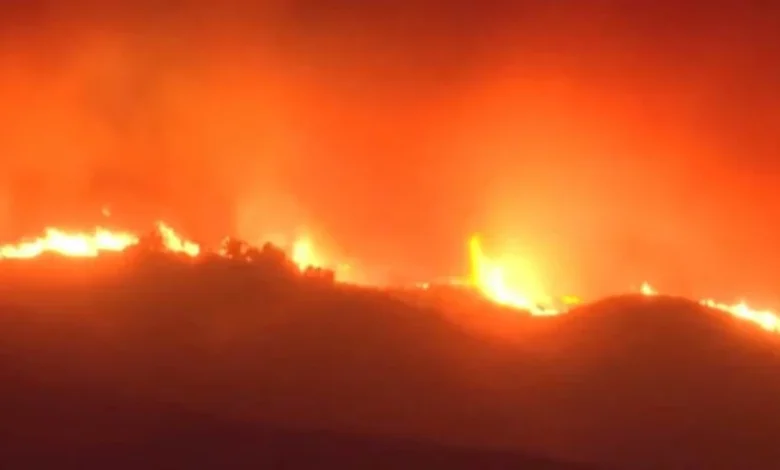
The global spotlight, usually reserved for the dazzling footwork and strategic brilliance of football’s elite, has violently shifted from tactical lineups to environmental survival just days before the 2026 FIFA World Cup Final. Slated for Sunday, July 19, 2026, at the iconic New York New Jersey Stadium (MetLife Stadium), the highly anticipated clash between Lionel Messi’s Argentina and Lamine Yamal’s Spain now contends with a formidable and unexpected opponent: a massive plume of wildfire smoke. Originating from a sudden, ferocious outbreak in Ontario, Canada, this dense atmospheric phenomenon has plunged the vast New York-New Jersey metropolitan area into hazardous air quality conditions, casting a pall over what promises to be one of the most significant sporting events of the decade.
The region awoke to an apocalyptic scene earlier this week, with the skyline obscured by an eerie orange haze and the air permeated by an acrid, pungent smell. Local authorities and health officials have sounded urgent alarms, warning of the extreme physical toll such conditions could exact on both the world-class athletes preparing for the pinnacle of their careers and the hundreds of thousands of fervent fans traveling from across the globe. The vulnerability of the open-air MetLife Stadium, designed without a retractable roof or sophisticated indoor air-filtration systems, has become a focal point of intense scrutiny, highlighting a critical blind spot in the planning for major international sporting events in an era increasingly defined by climate disruption.
Code Red: A Metropolis Under Haze
The gravity of the situation was underscored by official advisories and public health measures implemented across the tri-state area. Fine particulate matter (PM2.5) concentrations, microscopic airborne particles dangerous to human health, surged dramatically, soaring well beyond international safety thresholds established by organizations like the World Health Organization (WHO) and the U.S. Environmental Protection Agency (EPA). For context, the WHO recommends an annual average PM2.5 concentration of no more than 5 micrograms per cubic meter (µg/m³) and a 24-hour average of 15 µg/m³. During the peak of the crisis, reported PM2.5 levels in parts of New York City and New Jersey exceeded 200-300 µg/m³, categorizing the air quality as "hazardous" on the EPA’s Air Quality Index (AQI), a level at which everyone is at risk of experiencing serious health effects.
New York City Mayor Zohran Mamdani swiftly issued stern warnings, urging all citizens to severely limit outdoor activity and initiating a massive distribution effort for high-efficiency KN95 masks to protect against inhaling the harmful particles. Schools transitioned to remote learning or canceled outdoor activities, and public transportation advisories were issued. Despite these dire circumstances, the Spanish national team, fresh off their semifinal victory in Texas, proceeded with an outdoor training session on Thursday, a decision that drew both admiration for their resilience and concern from medical professionals. Argentina, having traveled from their semifinal camp in Georgia, was scheduled to conduct similar preparations, facing the same environmental gamble.
Health and Performance on the Line: The Athlete’s Peril
The medical community’s apprehension regarding the athletes’ exposure to hazardous air quality is profound. Dr. Courtney Howard, a prominent emergency room physician and expert in environmental health, articulated the critical danger: "Elite athletes, by their very nature, engage in maximal exertion, moving massive volumes of air through their lungs. Exposing them to hazardous wildfire pollution is not just a performance inhibitor; it’s a significant health risk. We’re talking about potential acute respiratory distress, exacerbation of pre-existing conditions like asthma, and even long-term cardiovascular implications."
The physiological demands of a FIFA World Cup Final are immense. Players typically cover 10-12 kilometers (6-7.5 miles) during a match, with heart rates consistently elevated and respiratory rates significantly increased to meet oxygen demands. In polluted air, the lungs’ delicate alveoli become irritated, leading to inflammation, reduced oxygen uptake, and increased cardiovascular strain. Symptoms can range from coughing, shortness of breath, and chest pain to dizziness and fatigue, all of which would severely compromise performance at the highest level of sport. Compounding this atmospheric threat is a lingering heat wave across the Northeast, creating a dual-threat environment of respiratory stress and heat exhaustion for the 82,000 fans expected to pack the open-air venue, let alone the players. The combination of heat and poor air quality can magnify negative health outcomes, turning a celebratory event into a potential public health emergency.
MetLife Stadium’s Structural Vulnerability
The architectural design of MetLife Stadium, while state-of-the-art in many respects, presents a significant challenge in the face of such an environmental crisis. As a purpose-built outdoor arena, it lacks the infrastructure of indoor venues or those with retractable roofs and advanced air filtration systems. This means players and spectators are entirely at the mercy of prevailing wind patterns and atmospheric conditions. If the smoke plume were to intensify or shift unfavorably during the 3:00 PM EST kickoff, there would be zero structural protection against the airborne hazards.
The 2026 FIFA World Cup, uniquely co-hosted by the United States, Canada, and Mexico, utilizes a vast network of stadiums, many of which are open-air. While this allows for grand spectacles and traditional football atmospheres, it also exposes the event to a range of climate-related vulnerabilities, from extreme heat to, as now seen, wildfire smoke. Retrofitting an existing stadium like MetLife with a retractable roof or advanced indoor air purification systems on short notice is a logistical and financial impossibility, underscoring the need for foresight in future infrastructure planning for major events.
FIFA Faces Scrutiny Over Contingency Missing Pieces
The escalating air quality crisis has ignited sharp criticism directed at FIFA, the sport’s global governing body, for its perceived lack of preparedness for such climate-related disruptions. While FIFA boasts highly detailed and robust protocols for a myriad of potential issues – including extreme heat (mandating hydration breaks every 15 minutes), anti-doping measures, security, and pitch conditions – it possesses no public, formal framework specifically designed to handle sudden and severe air quality crises.
Sports management experts and environmental advocates alike point to this glaring oversight as a "massive regulatory blind spot" for international sporting competitions. Dr. Eleanor Vance, a professor of sports ethics and governance, commented, "FIFA’s existing protocols are extensive, but they reflect a historical understanding of risks. The climate crisis is rewriting the playbook. To not have a comprehensive, publicly articulated plan for air quality, especially when hosting events in regions prone to wildfires or urban pollution, is a failure of foresight."

The commercial commitments tied to a World Cup Final are colossal. Billions of dollars in broadcasting rights, sponsorship deals, and tourism revenue are at stake. This immense financial pressure means that postponing, relocating, or canceling the match is considered an absolute last resort, making it "highly likely to push forward," as one insider suggested. However, this close call serves as a stark warning, highlighting the imperative for international federations to evolve their risk management strategies to include environmental factors that are becoming increasingly common and severe. The reputational damage and potential legal liabilities from exposing athletes and fans to unsafe conditions could far outweigh the costs of proactive planning.
A City’s Response and the Broader Context
The impact of the wildfire smoke extended far beyond the immediate concerns of the World Cup Final. For days, the millions of residents of the New York-New Jersey metropolitan area navigated daily life under a shroud of unhealthy air. Commutes were impacted, outdoor work became dangerous, and emergency services saw an uptick in calls related to respiratory issues. Hospitals and clinics reported an increase in patients presenting with asthma attacks, bronchitis, and other breathing difficulties, particularly among children, the elderly, and individuals with pre-existing lung or heart conditions. Public health campaigns rapidly disseminated information on protective measures, emphasizing staying indoors, keeping windows closed, and using air purifiers where available.
This event also serves as a potent reminder of the interconnectedness of global environmental systems. A wildfire raging thousands of kilometers away in the boreal forests of Ontario, exacerbated by drought conditions and a warming climate, directly impacts a major urban center and a global sporting spectacle. Scientists note that the specific atmospheric conditions—a high-pressure system trapping pollutants and specific wind patterns—allowed the smoke to travel such vast distances and settle over the Northeast, a pattern that has become disturbingly more frequent in recent years.
The Stakes of the Final: A Sporting Legacy Under Threat
Amidst the environmental drama, the significance of the 2026 FIFA World Cup Final itself cannot be overstated. For Argentina, led by the legendary Lionel Messi, it represents a chance to cement his legacy further, potentially securing a second consecutive World Cup title in what many speculate could be his final appearance on football’s biggest stage. The narrative of an aging maestro guiding his nation to unprecedented glory adds immense emotional weight to the match.
Conversely, Spain’s youthful squad, spearheaded by the prodigious talent of Lamine Yamal, represents a new era for La Roja. Yamal, at just 18, has already captivated the football world with his dazzling skill and maturity beyond his years. A victory would crown a new generation of Spanish footballing heroes and mark a significant return to the sport’s summit. The prospect of such a momentous occasion being overshadowed or, worse, compromised by environmental factors is a source of profound disappointment for purists and fans worldwide.
The Meteorological Lifeline: Will Nature Intervene?
Fortunately for soccer purists and the event organizers, meteorologists are predicting a last-minute assist from nature. Current forecast models indicate a significant shift in weather patterns. An incoming cold front, accompanied by regional rain, is expected to begin pushing the heaviest smoke concentrations out over the Atlantic Ocean by Sunday morning, just hours before kickoff.
Dr. Anya Sharma, a lead meteorologist tracking the event, explained, "The approaching cold front will bring a change in wind direction, primarily from the west and northwest, which will effectively act as a broom, sweeping the stagnant air and smoke eastward. Additionally, any precipitation associated with the front will help to ‘wash’ particulate matter out of the atmosphere, a process known as wet deposition. We anticipate a rapid improvement." While air quality is expected to shift from "unhealthy" back down to "moderate" by late morning on Sunday, meaning most individuals can engage in outdoor activity without significant risk, the lingering effects and the memory of the "hazardous" days will remain. A "moderate" AQI generally ranges from 51-100, indicating an acceptable level of air quality, though some unusually sensitive people may still be affected.
Broader Implications for Global Sports: A Climate Wake-Up Call
The harrowing experience leading up to the 2026 FIFA World Cup Final serves as an unequivocal wake-up call for the entire global sports industry. As climate change accelerates, extreme weather events – from heatwaves and unprecedented rainfall to wildfires and resultant air pollution – are becoming more frequent, more intense, and less predictable. This "close call" is not an isolated incident but a harbinger of future challenges that will increasingly rewrite the playbook for major international competitions.
Sports federations, host cities, and infrastructure developers must integrate climate resilience into every aspect of planning. This includes:
- Comprehensive Environmental Risk Assessments: Moving beyond traditional weather forecasting to incorporate long-term climate projections and associated risks like wildfire smoke, extreme heat, and flooding.
- Robust Air Quality Protocols: Developing clear, actionable guidelines for monitoring air quality, establishing thresholds for delaying or relocating events, and implementing protective measures for athletes and spectators.
- Climate-Resilient Infrastructure: Investing in venues with adaptable designs, such as retractable roofs, advanced air filtration systems, and sustainable cooling solutions, where appropriate.
- Sustainable Event Management: Reducing the environmental footprint of major events to mitigate their contribution to climate change, while simultaneously preparing for its impacts.
- Cross-Sector Collaboration: Engaging with environmental scientists, public health experts, and local governments to develop integrated response strategies.
The incident underscores that even the most meticulously planned global spectacles are no longer immune to the sweeping effects of a changing climate. As the world eagerly awaits the final whistle of the 2026 FIFA World Cup, the lessons learned from this unprecedented environmental challenge will resonate far beyond the football pitch, shaping the future of sports in a rapidly evolving world. The beautiful game, it seems, is now also a frontline in the battle for environmental sustainability.