The Behringer JT-2 is Now Shipping Immediately, Marking a Significant Moment for Analog Synth Enthusiasts

The Behringer JT-2, a highly anticipated analog synthesizer module, has officially begun shipping and is available for immediate purchase, signaling the culmination of a development cycle that has kept the synth community engaged for some time. This release arrives as a tantalizing prelude to Behringer’s larger JT-16 project, offering a direct pathway for musicians to experience the iconic sound of the Roland Jupiter-8 in a compact and accessible format. The immediate availability suggests that the company is moving past its typical development cadence and directly addressing consumer demand.
A New Era for Jupiter-Inspired Synthesis
The Behringer JT-2 represents a focused iteration of the sonic architecture that defined the legendary Roland Jupiter-8, a flagship polysynth from the early 1980s renowned for its warm analog pads, punchy leads, and lush basses. While the full JT-16 keyboard version remains on the horizon, the JT-2 delivers a single, authentic Jupiter voice in a versatile desktop and Eurorack module format. This strategic release allows enthusiasts to capture the essence of that coveted sound without the substantial investment or space requirements of vintage hardware.
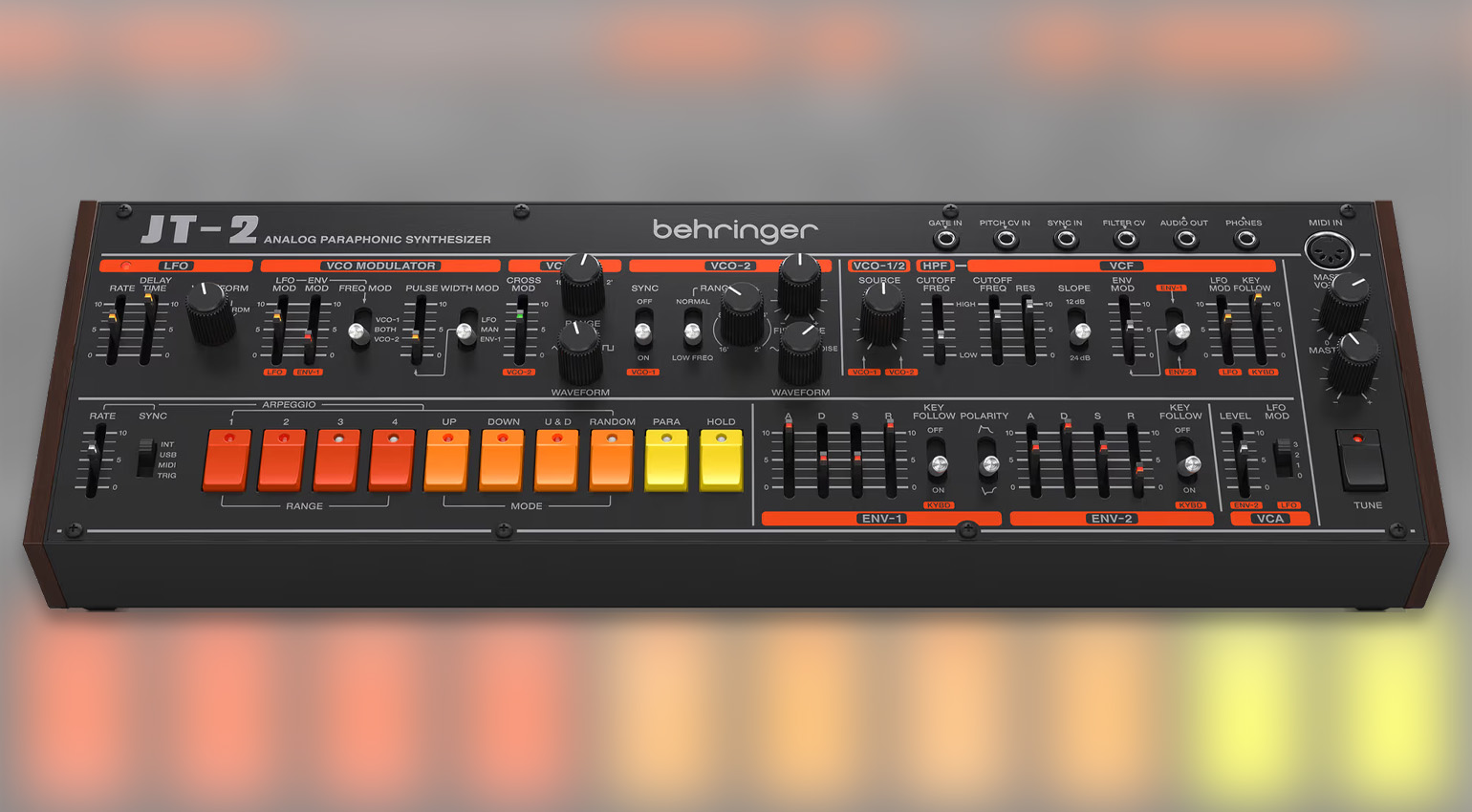
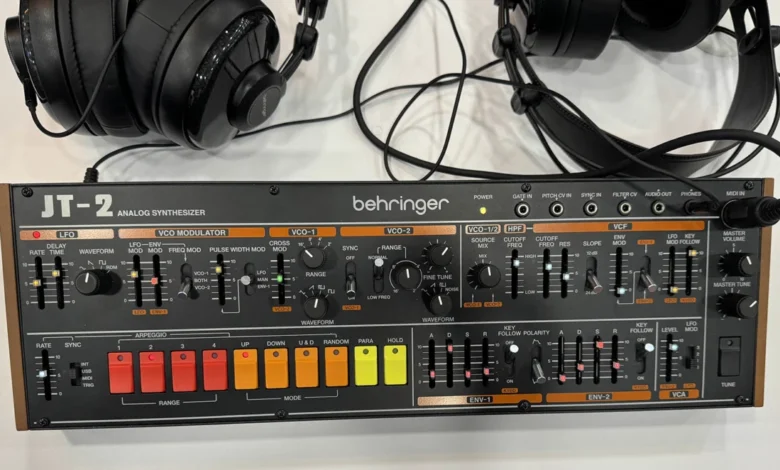
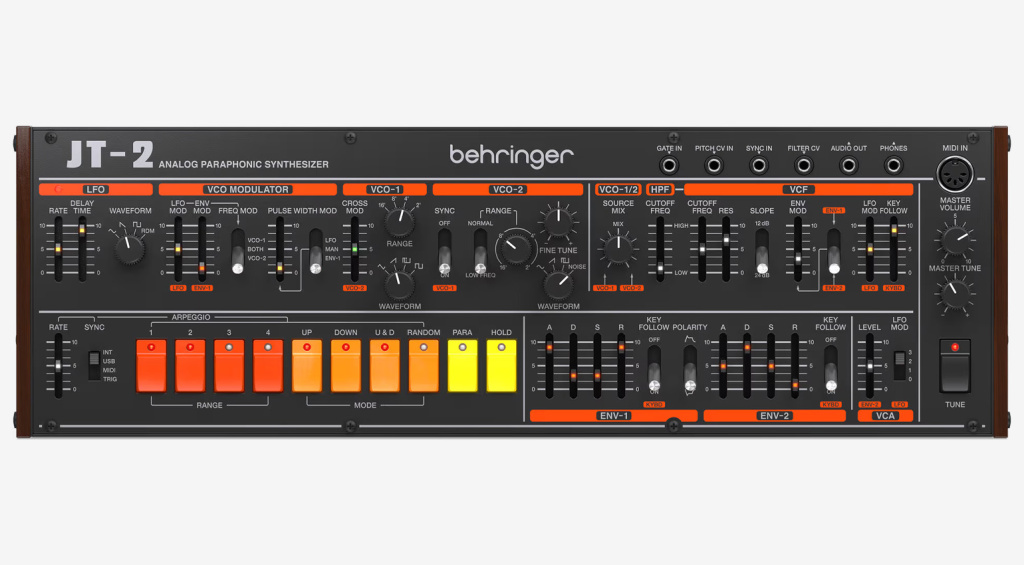
This new module features two analog Voltage Controlled Oscillators (VCOs) capable of classic waveforms, along with Pulse Width Modulation (PWM), hard sync, and cross-modulation for intricate sound design possibilities. The analog signal path is further enhanced by a resonant low-pass filter and a separate high-pass filter, providing extensive tonal shaping capabilities. Modulation is managed by a Low-Frequency Oscillator (LFO) and two ADSR envelopes, offering control over both the filter and Voltage Controlled Amplifier (VCA).
Chronology of the JT-2’s Development and Release
The journey of the Behringer JT-2 from concept to consumer availability has been a drawn-out affair, characteristic of Behringer’s product development cycle.
-
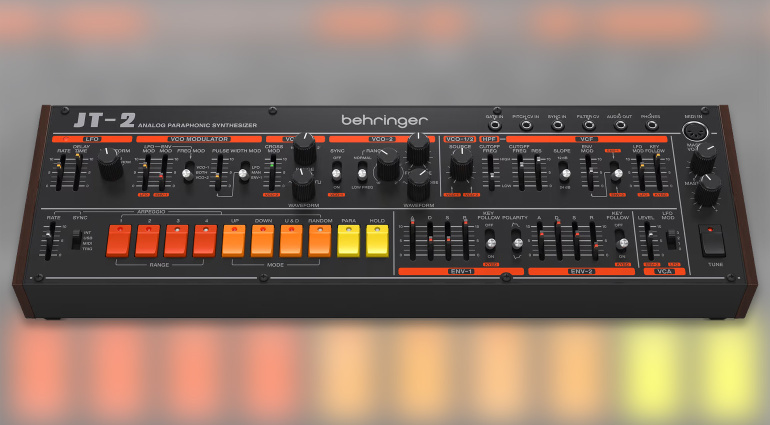
February 21st, 2023: Behringer first teased the JT-2 prototype via their Facebook page. At this stage, the company described it as "an authentic Jupiter voice based on the same VCOs and VCFs, plus an autotune and arpeggiator function." This initial announcement positioned the JT-2 as a way to "sate the appetites of those that wait" for their full Jupiter-8 recreation. The unit was presented as a Eurorack-friendly module with a suggested retail price of $299 USD. The naming convention, particularly the "2" and the description as an "analog paraphonic synthesizer," hinted at its duophonic capabilities.
-
January 22nd, 2026: The JT-2 was publicly showcased at NAMM 2026 in Anaheim, California. This marked a significant step from prototype to a near-final product, with Behringer displaying an actual unit on their stand. Sources on the ground confirmed the presence of the module, which had been initially teased nearly three years prior. This appearance suggested that the product was nearing its release, with minimal apparent changes from its early conceptualization.
-
April 22nd, 2026: An update indicated that the JT-2 was available for pre-order, though shipping had not yet commenced. This phase allowed interested customers to secure their units ahead of the official dispatch. The module was described as featuring one of the sixteen voices destined for the forthcoming JT-16 synth and offering a duophonic/paraphonic experience. The article also highlighted the potential for polychaining up to sixteen JT-2 units to create a massive 16-voice synthesizer.
-
Early January 2027 (Implied by "shipping immediately" article date): Behringer officially announced that the JT-2 is now in stock and shipping immediately. This marks the final stage of the product’s lifecycle, where it is directly available to end-users. The immediate shipping status suggests a robust production run and efficient distribution channels.

Technical Specifications and Sonic Capabilities
The Behringer JT-2 aims to replicate the sonic character of the Roland Jupiter-8’s voice architecture. Key technical features include:
- Oscillators: Two analog VCOs, each capable of producing sine, sawtooth, triangle, and pulse waveforms. Features include PWM, hard sync, and cross-modulation for rich harmonic content and sonic manipulation.
- Filters: An analog low-pass filter with adjustable cutoff frequency and resonance, complemented by a high-pass filter with adjustable cutoff. This dual-filter setup provides significant tonal shaping.
- Modulation: A flexible LFO with multiple waveform options and two ADSR (Attack, Decay, Sustain, Release) envelopes for shaping amplitude and filter envelopes.
- Paraphony: The module supports duophonic or paraphonic operation, allowing for two notes to be played simultaneously. In paraphonic mode, subsequent notes may not re-trigger the VCF and VCA, a common characteristic of vintage paraphonic synths.
- Arpeggiator: An integrated arpeggiator with classic Roland-style red, orange, and yellow control buttons, offering rhythmic pattern generation.
- Connectivity: The JT-2 features MIDI In/Out, USB connectivity for MIDI and potential firmware updates, and a mono audio output. For Eurorack integration, it includes standard 3.5mm jacks for CV/Gate, Sync, and audio outputs.
- External Audio Processing: Like many Behringer desktop/Eurorack modules, the JT-2 can process external audio signals through its filters, adding another layer of sonic utility.
Strategic Positioning and Market Implications
The Behringer JT-2’s release is strategically positioned to appeal to a broad spectrum of musicians. Its compact desktop/Eurorack form factor makes it an attractive option for producers with limited space or those looking to expand their existing modular setups. The ability to polychain up to 16 units is a significant draw for users seeking to build a powerful, custom polyphonic synthesizer. This approach offers a more modular and potentially cost-effective path to achieving multi-voice Jupiter-8-inspired sounds compared to acquiring multiple vintage units or even a single high-end modern polyphonic analog synth.
The pricing, initially suggested at $299 USD and now available through affiliate partners for approximately €179, positions the JT-2 as a highly competitive offering in the market. This price point directly challenges other compact analog synths and makes the iconic Jupiter-8 sound more accessible than ever before. For context, Roland’s own JP-08, a boutique module inspired by the Jupiter-8, was polyphonic but limited to four voices and retailed at a higher price point when new, and is now discontinued. The JT-2’s affordability and expandability offer a compelling alternative, especially for those who value the sonic characteristics of the Jupiter-8 but are constrained by budget or the scarcity of vintage gear.
Community Reaction and Future Prospects
The development and eventual shipping of the JT-2 have been met with considerable enthusiasm within the music production community. Behringer’s strategy of teasing prototypes and engaging with user feedback on social media platforms has fostered a sense of anticipation and involvement. The ability to "sate the appetite" for the full JT-16 while offering a tangible product in the interim demonstrates a nuanced approach to product launches.
The success of the JT-2 will likely influence the development and release strategy for Behringer’s larger projects, including the much-anticipated JT-16. The positive reception to its accessible pricing and authentic sonic replication could encourage further investment in similar retro-inspired analog synthesizers. Musicians eagerly await the full JT-16 keyboard, which promises a complete 16-voice recreation of the Jupiter-8. The JT-2 serves as a potent demonstration of Behringer’s capability to capture the essence of classic analog synthesis at an unprecedented scale and affordability.
A Boon for Analog Synth Aficionados
The immediate availability of the Behringer JT-2 marks a pivotal moment for analog synthesizer enthusiasts. It provides a tangible and affordable entry point into the revered sonic territory of the Roland Jupiter-8. As the music production landscape continues to evolve, Behringer’s commitment to recreating classic analog sounds in modern, accessible formats ensures that these iconic tones remain within reach for a new generation of musicians and seasoned professionals alike. The "grab yours today as this one is certain to be popular!" sentiment from the initial announcement appears to be well-founded, as the JT-2 is poised to become a staple in studios worldwide.
Disclaimer: This article is based on information available up to the indicated dates and reflects the product’s evolution and market availability. Affiliate links may be present in the original source material, indicating potential partnerships for sales.