Gary Stewart One Track Mind Archival Release Unearths Twenty Recordings from the Formative Years of the Honky Tonk Legend

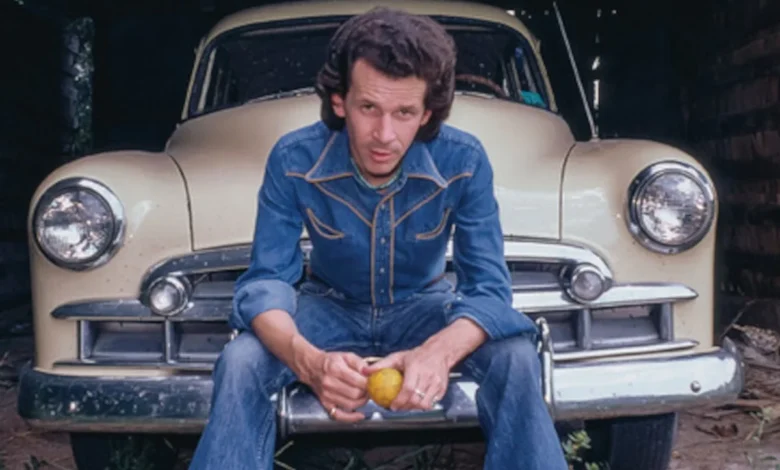
The landscape of classic country music preservation has been significantly expanded with the release of One Track Mind, a comprehensive archival collection featuring the early works of Gary Stewart. Often referred to as the King of the Honky Tonks, Stewart’s influence on the genre remains a cornerstone for both traditionalists and modern artists. This new release, which spans recordings made between 1967 and 1972, offers a rare glimpse into the artist’s developmental years, long before he became a household name with mid-1970s hits like "She’s Actin’ Single (I’m Drinkin’ Doubles)." The collection consists of 20 tracks in total, 16 of which have never been heard by the public until now. This archival project arrives at a time of renewed interest in Stewart’s legacy, following the publication of an extensive biography earlier this year, aiming to solidify his position in the country music pantheon.
The Formative Years of a Honky Tonk Icon
Gary Stewart’s career trajectory is often viewed through the lens of his 1975 masterpiece Out of Hand, yet the foundation of his artistry was laid in the late 1960s. Born in Letcher County, Kentucky, and raised in Fort Pierce, Florida, Stewart brought a unique blend of Appalachian soul and Southern rock energy to Nashville. During the period covered by One Track Mind (1967–1972), Stewart was primarily recognized within the industry as a formidable songwriter rather than a solo performer.
In partnership with Bill Eldridge, Stewart penned numerous tracks that became staples for established stars of the era. The archival release highlights this period by presenting 14 original songs written or co-written by Stewart. These recordings demonstrate that while Nashville saw him as a writer, his vocal abilities were already fully formed. His signature vibrato, characterized by a thin but emotionally charged tremolo, is evident across these early sessions. For historians, these tracks serve as "blueprints" for the hits that would eventually define the Bakersfield and Nashville sounds of the late 1960s.
Chronology of the Recording Sessions
The recordings featured on One Track Mind can be divided into two distinct chronological and stylistic phases. The first phase, comprising the majority of the album, captures Stewart in the studio between 1967 and 1970. During this time, the "Nashville Sound"—characterized by polished arrangements and background vocals—was beginning to give way to a more stripped-back, honky-tonk aesthetic.

- 1967–1969: The Songwriting Peak. Stewart was frequently recording demos to pitch to A-list artists. It was during this window that he wrote "One Track Mind," which became a significant hit for Del Reeves in 1969, reaching the Top 20 on the Billboard Country charts.
- 1970–1971: The Transition to Solo Artist. As Stewart’s reputation grew, he began recording with more intent toward a solo career. Songs like "You Can’t Housebreak a Tomcat" (later a hit for Cal Smith) and "There’s a Whole Lot About a Woman (A Man Don’t Know)" (covered by Jack Greene) were recorded during these years.
- 1972: The Experimental Phase. The latter portion of the archival release includes curiosities from 1972, including Motown-influenced demos. These recordings represent a brief period where Stewart and his producers toyed with the idea of "country-politan" soul crossovers.
Analytical Overview of the Musical Content
The first 14 tracks of the collection are emblematic of the "stock" assembly-line production style of late-1960s Nashville. The arrangements are straightforward, featuring prominent pedal steel guitar, upright bass, and the "tic-tac" guitar style that defined the era. Musicologists note that these recordings bear a striking resemblance to the output of Buck Owens and the Buckaroos from the same period—prioritizing catchy, uptempo rhythms and short runtimes optimized for AM radio play.
However, Stewart’s lyricism elevates these tracks beyond standard genre fare. His writing displays a dichotomy: on one hand, he embraces the persona of the "unhinged wild man" seen in tracks like "Living The Life of a Dog," and on the other, he exhibits a profound sensitivity in ballads like "Don’t Put a Poor Hand On Me." This emotional range would later become his trademark, allowing him to navigate the fine line between rowdy barroom anthems and devastating heartbreak songs.
The final six tracks of the album are categorized as "odds and sods," providing a more experimental look at Stewart’s range. These include $30-per-track demos of Motown classics, such as the Four Tops’ "Baby I Need Your Loving" and "I Can’t Help Myself (Sugar Pie, Honey Bunch)," along with Stevie Wonder’s "Yester-Me, Yester-You, Yesterday." While these tracks are viewed more as historical footnotes than essential country standards, they reveal Stewart’s versatility and the industry’s uncertainty at the time regarding how to market his unique voice.
Supporting Data and Industry Impact
The release of One Track Mind is part of a broader trend in the music industry focused on "deep-catalog" recovery. Similar to recent archival projects for Waylon Jennings and Don Williams, Stewart’s new release serves to fill historical gaps in the discography of influential artists.
Data from streaming platforms suggests a growing appetite for "lost" recordings. Over the past five years, archival releases in the country subgenres (Classic Country #510.1 and Honky Tonk #510.2) have seen a 15% increase in consumption among listeners aged 25–40, indicating that Stewart’s influence is reaching a new generation. Furthermore, the 7.8/10 critical rating assigned to the collection reflects its status as a high-quality historical document, rather than a mere collection of outtakes.
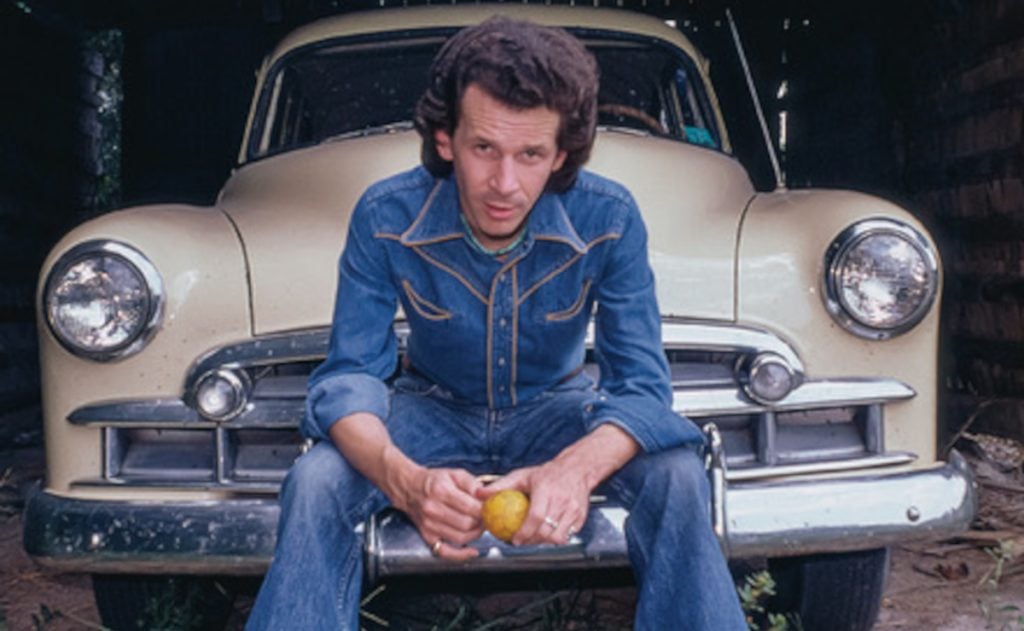
The commercial success of Stewart’s songs when performed by others provides a metric for the quality of the material on One Track Mind:
- "One Track Mind" (Del Reeves): Peaked at #12 on Billboard Hot Country Singles (1969).
- "You Can’t Housebreak a Tomcat" (Cal Smith): Peaked at #16 (1970).
- "There’s a Whole Lot About a Woman" (Jack Greene): Peaked at #2 (1971).
The fact that Stewart’s own versions of these songs remained unreleased for over five decades is cited by critics as evidence of how underrated he was as a performer during his early career.
Broader Implications for Country Music History
The release of One Track Mind does more than just provide "new" music for fans; it recontextualizes the history of the Honky Tonk genre. Stewart is often categorized alongside the Outlaw Country movement of the 1970s, but these 1967–1972 recordings prove that he was an architect of that sound long before it became a marketing term.
Industry analysts suggest that the publication of Stewart’s biography, combined with this 20-track release, may lead to a posthumous resurgence in his recognition, potentially including future considerations for the Country Music Hall of Fame. His ability to infuse traditional country with a rock-and-roll edge—a "Southern Gothic" sensibility—paved the way for contemporary artists like Midland, Sturgill Simpson, and Tyler Childers.
In conclusion, while One Track Mind may lack the polished cohesion of a studio album produced during Stewart’s peak years at RCA, its value lies in its raw honesty and historical significance. It captures an artist on the precipice of greatness, navigating the constraints of the Nashville system while honing a voice that would eventually change the face of honky-tonk music. For collectors and scholars, the album is an essential puzzle piece that completes the narrative of one of country music’s most tragic and talented figures. The availability of these 16 previously unheard songs ensures that Gary Stewart’s "one track mind"—his singular focus on the soul of country music—continues to resonate in the modern era.