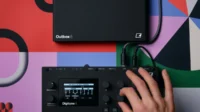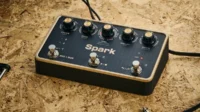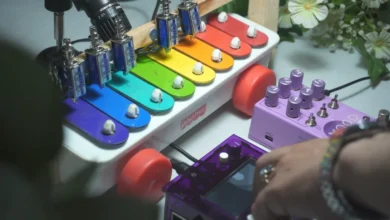
In the contemporary landscape of audio production, the debate between purely digital workflows and hardware-centric methodologies remains a defining dynamic for recording engineers and modern music producers. While digital audio workstations (DAWs) and native plug-ins continue to offer unmatched speed, precision, and recall capabilities, a growing movement of creators is seeking to reintroduce tactile hardware elements into their tracking and mixing chains. This paradigm shift is not merely nostalgic; it is driven by a desire to fundamentally alter creative thinking, enhance signal character, and introduce physical limitations that often foster more decisive artistic choices. Examining a curated selection of hardware innovations reveals how specific professional recording tools can completely reshape modern studio workflows.
The Philosophy of Hybrid Mixing and Multichannel Conversion
The transition from an exclusively DAW-based environment to a hybrid or outboard mixing setup represents one of the most profound workflow transformations a producer can undertake. Operating entirely inside the box often encourages infinite flexibility, which can occasionally lead to decision fatigue and sterile sonic profiles. Conversely, integrating hardware requires a structured approach governed by physical inputs, outputs, and channel limitations.
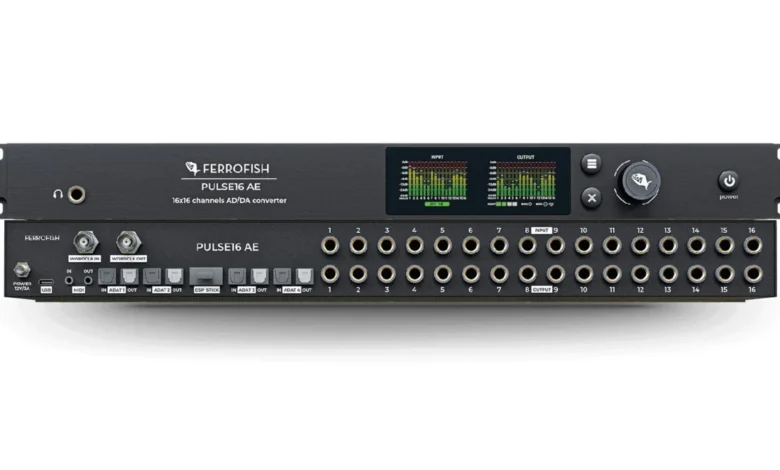
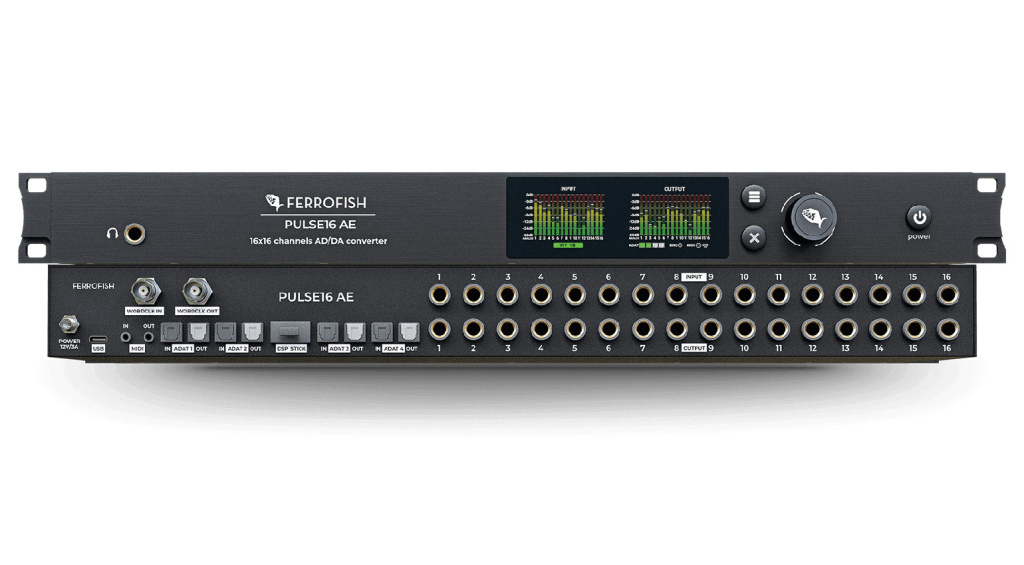
At the center of this transition are multichannel digital-to-analog and analog-to-digital converters, such as the Ferrofish Pulse16 AE. Unlike standard audio interfaces, which are typically front-loaded with microphone preamplifiers and headphone jacks, dedicated converters are engineered specifically to interface large numbers of line-level studio devices directly with digital systems. Featuring 16 balanced TRS analog inputs and outputs alongside ADAT optical I/O, the Pulse16 AE provides the structural foundation required for hardware summing, external analog inserts, or integration with external mixing consoles. This hardware-first framework changes the psychological approach to mixing, compelling engineers to commit to processing decisions early and embrace the distinct sonic attributes of analog electronics.
Centralizing Studio Connectivity with Analog Mixers
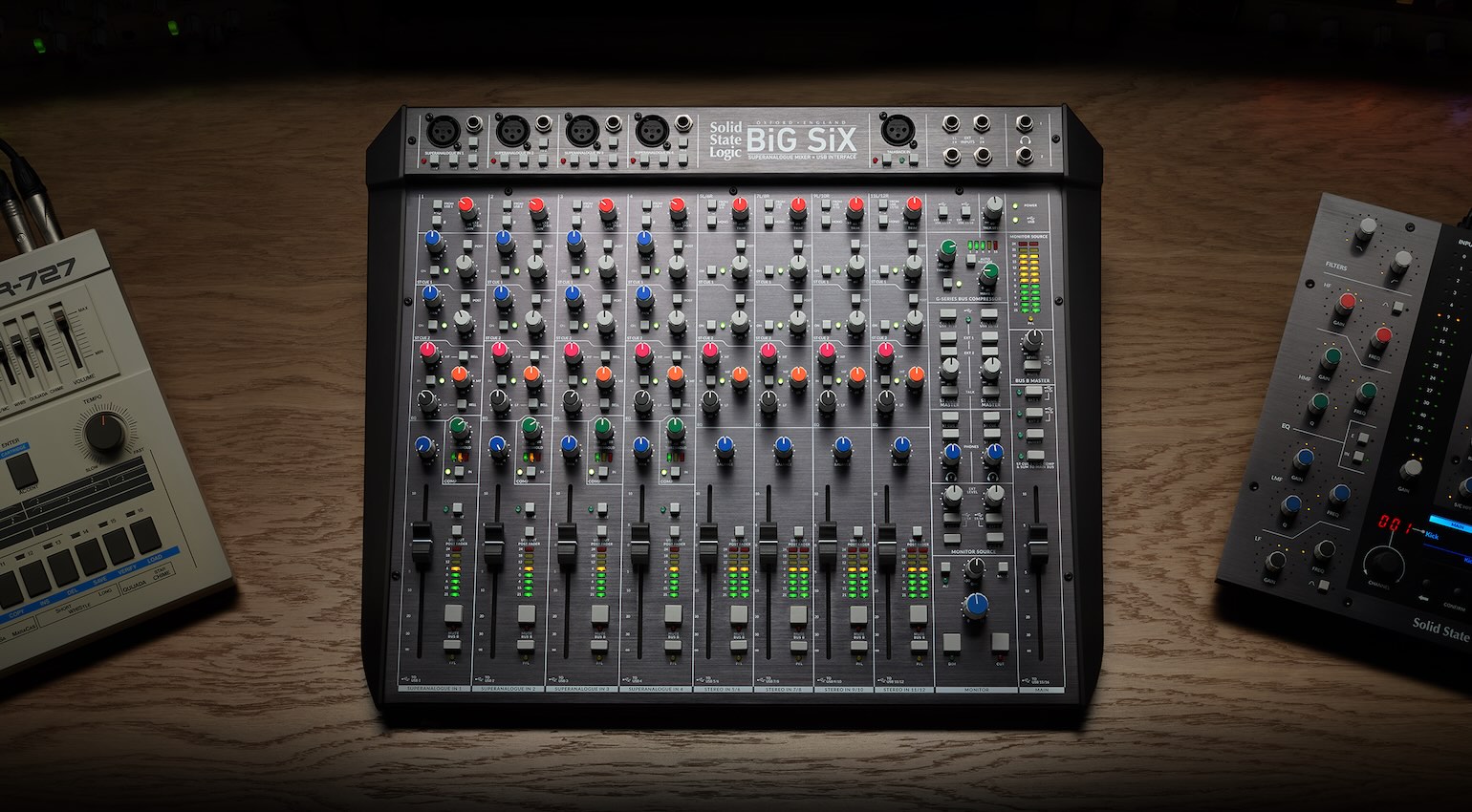
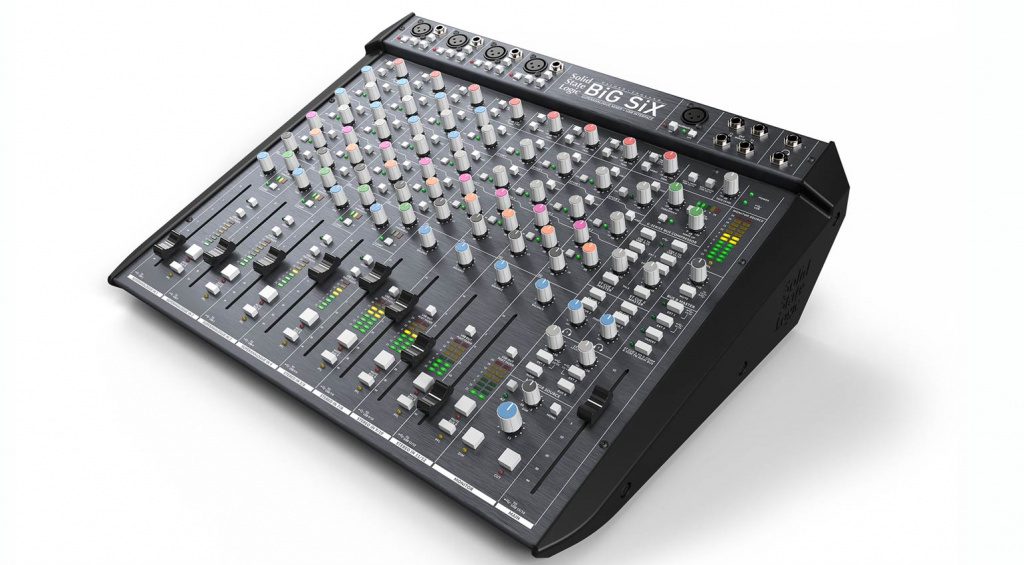
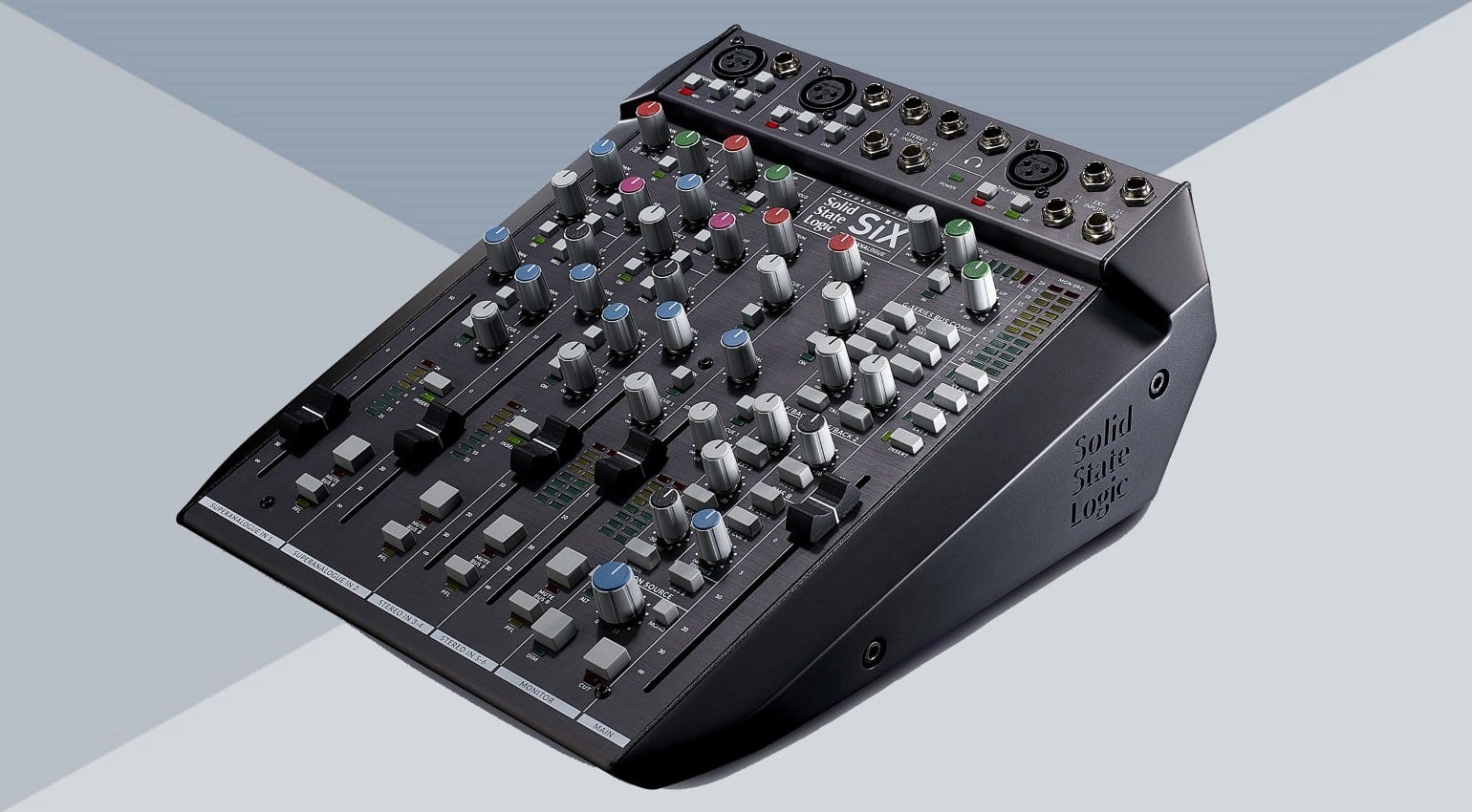
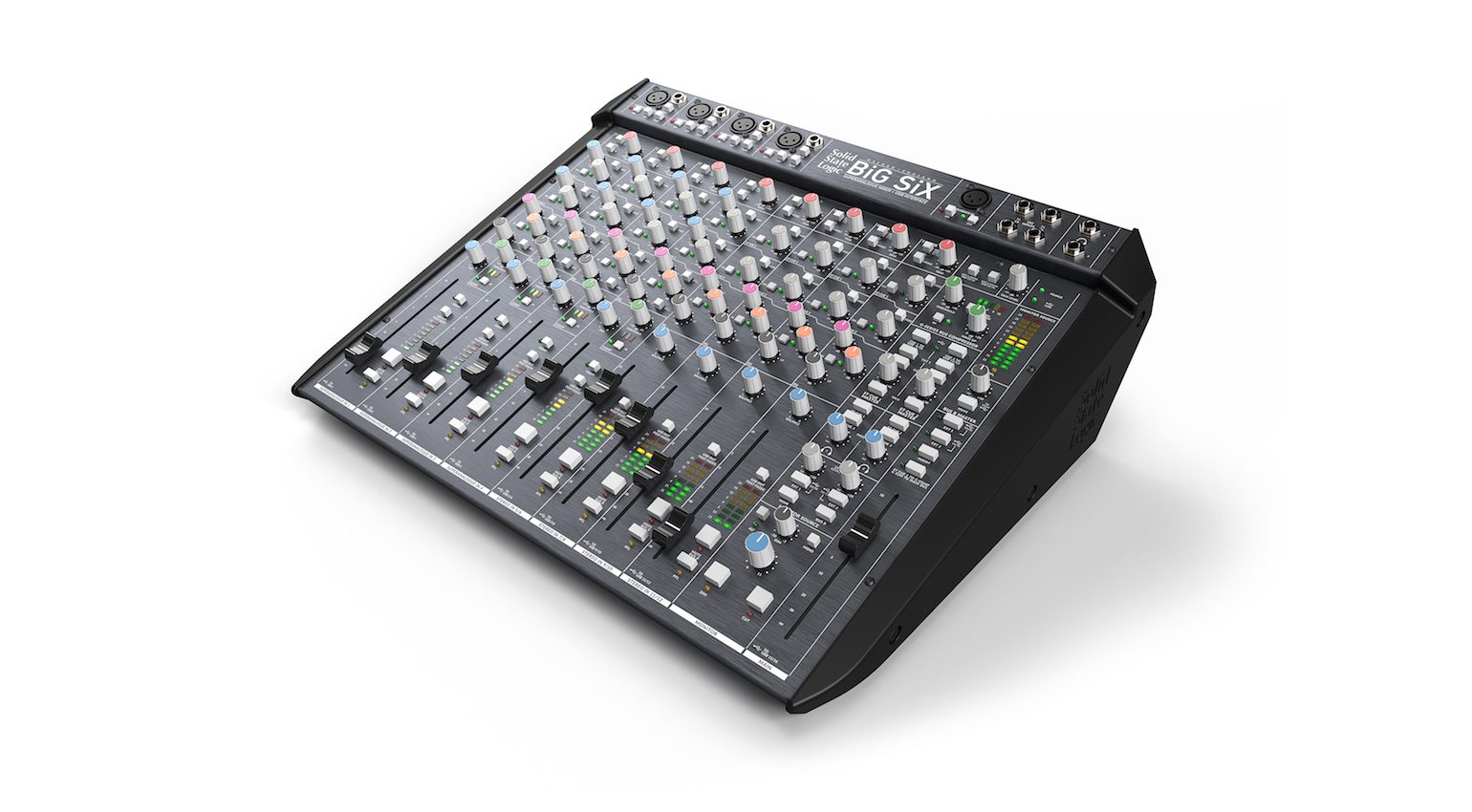
For practitioners working with ensembles, live bands, or extensive arsenals of electronic instruments like synthesizers and drum machines, traditional routing can quickly become a logistical bottleneck. While individual preamps and channel strips offer localized control, compact analog mixing consoles provide a centralized hub that streamlines complex signal paths. Devices such as the Solid State Logic SiX and its expanded counterpart, the BiG SiX, have redefined what is achievable within a small-format footprint.
Rooted in legendary SSL console lineage, these mixers deliver pristine preamplification, classic bus compression, and sophisticated routing capabilities. The BiG SiX further bridges the gap by incorporating a multi-channel USB audio interface, allowing producers to seamlessly stream tracks between the analog domain and their DAW. By routing instruments through a physical console rather than plugging them directly into interface inputs, producers gain tactile control over monitoring, summing, and cue mixes. This physical interaction encourages a more dynamic, performance-oriented approach to tracking, where levels and tonal balances are sculpted in real time.
Field Recording and Mobile Ideation
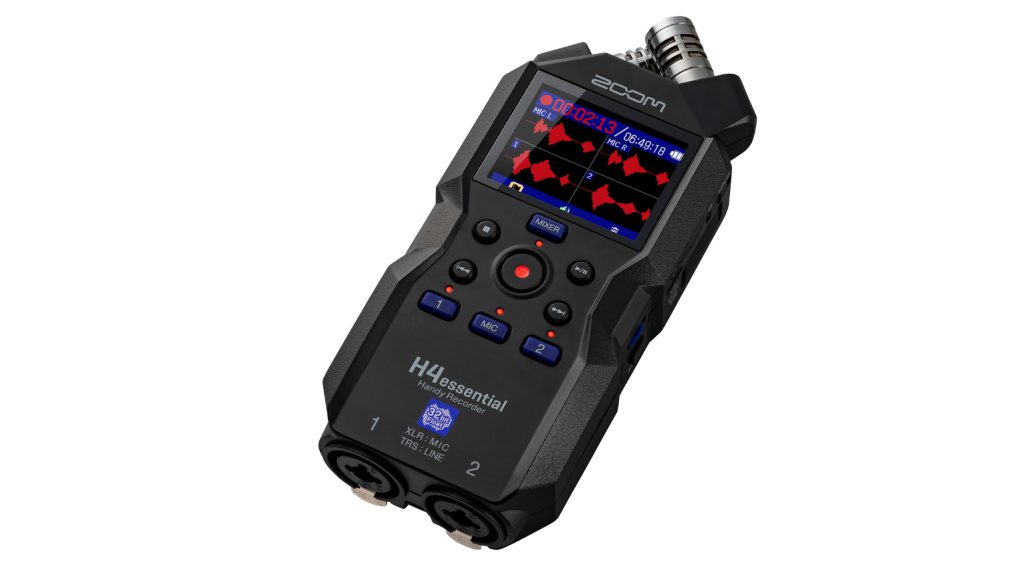
While studio infrastructure remains vital, contemporary music production often demands portability and the ability to capture unexpected acoustic phenomena. Handheld digital field recorders have evolved far beyond simple memo devices into sophisticated, high-resolution recording instruments. The Zoom H4essential exemplifies this evolution, offering 32-bit float recording capabilities at sample rates up to 96kHz across four channels.
The integration of 32-bit float technology marks a significant milestone for mobile capture, effectively eliminating digital clipping caused by sudden, unpredictable transient peaks. Producers can utilize built-in X/Y condenser microphones or attach external specialized microphones—such as shotgun mics—to isolate ambient soundscapes, foley elements, or acoustic song ideas in unconventional environments. Functioning simultaneously as a portable standalone recorder and a 4-in/2-out USB audio interface, the H4essential serves as a creative sketchpad. It allows artists to gather unique textures in the field and seamlessly import them into their primary production environments, expanding the sonic palette far beyond traditional studio sources.
Optimizing Guitar Pedals for Studio Integration
Effects pedals have long been celebrated as secret weapons for experimental sound design, offering gritty textures and unique modulation capabilities favored across genres from electronic music to indie rock. However, utilizing guitar pedals as hardware inserts within a professional studio DAW environment has historically presented technical hurdles. Pedals are inherently designed for unbalanced, high-impedance instrument-level signals, whereas professional audio interfaces operate on balanced, low-impedance line-level standards (+4 dBu). Mismatching these levels can result in poor signal-to-noise ratios, impedance loading issues, and unwanted distortion.
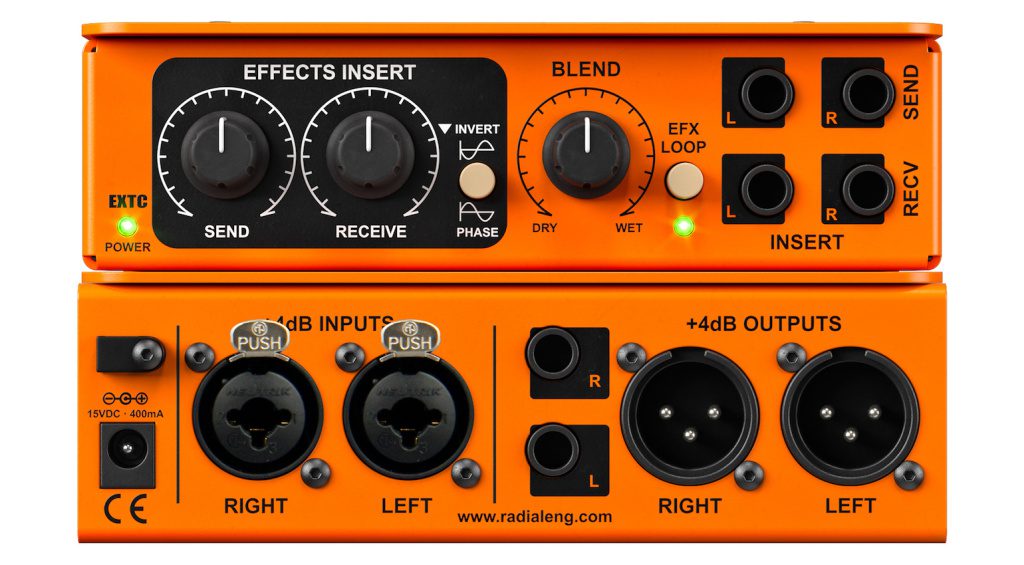
Dedicated reamping and signal-conditioning tools, such as the Radial Engineering EXTC series, resolve these compatibility challenges. Available in mono, stereo, and 500-series modular formats, the EXTC bridges the gap by converting balanced DAW line outputs down to instrument level for the pedals, and then boosting the processed signal back up to professional line levels. Furthermore, the inclusion of a blend control allows producers to implement parallel processing loops. This enables users to drive an effects pedal to extreme, signal-destroying settings and blend it subtly back into the dry signal, transforming standard mixing applications into creative sound-sculpting sessions.
Coloration and Dynamics Control at the Input Stage
Perhaps no single category of hardware has a more profound impact on tracking methodology than professional dynamic processors, particularly those capable of introducing harmonic coloration. While transparent digital limiters and compressors excel at post-production control, hardware units designed to impart distinct sonic signatures change how a source is perceived from the moment it is captured.
The Empirical Labs Distressor has long served as an industry benchmark in this regard. By combining modern microprocessor control with analog circuit emulation, the Distressor can accurately mirror the behavior of legendary optical and field-effect transistor (FET) compressors, such as the LA-2A and 1176. Beyond transparent dynamics control, the unit features selectable distortion modes that introduce tube-like second-order harmonics or tape-like third-order harmonics, injecting warmth, weight, and harmonic richness directly into the tracking chain.
For stereo applications, such as drum bus processing or master bus integration, variants like the EL8-X offer advanced stereo image linking and a specialized "British Mode," replicating the aggressive "all buttons in" compression characteristic of vintage units. Utilizing hardware compressors during tracking encourages commitment, reducing the reliance on corrective plug-ins later in the mix phase and fostering a more decisive production workflow.

Implications for the Future of Music Production
The enduring appeal of specialized recording hardware highlights a broader philosophical shift within the audio engineering community. Rather than viewing hardware and software as mutually exclusive competitors, modern producers increasingly recognize the value of a symbiotic ecosystem. Hardware tools introduce physical constraints, tactile engagement, and distinct electronic nonlinearities that stimulate creative problem-solving. As audio technology continues to advance, the deliberate integration of analog converters, compact consoles, field recorders, signal conditioners, and analog processors will remain essential for creators looking to break routine patterns and define their own distinct sonic identities.