Janice Combs loses her first dismissal bid as Kirk Burrowes presses claims over his alleged 25 percent Bad Boy stake.

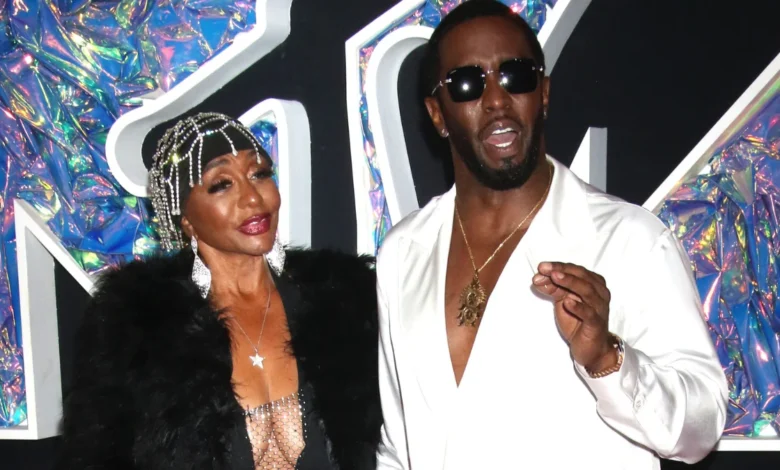
The ongoing legal battle surrounding the foundational years of Bad Boy Records has reached a new procedural juncture, as a federal judge has denied a motion to dismiss filed by Janice Combs, the mother of music mogul Sean “Diddy” Combs. The ruling, issued by Judge Jennifer H. Rearden on September 15, marks a technical victory for plaintiff Kirk Burrowes, though it stops well short of addressing the underlying merits of his explosive allegations regarding the ownership of the iconic hip-hop label.
The denial of the motion was predicated on procedural grounds rather than a judgment on the facts. Because Burrowes filed an amended complaint in November 2025—a document that superseded his original filing—the court determined that the initial motion to dismiss was moot. Consequently, the core of the dispute remains active, and a renewed motion for dismissal, filed by Combs’ legal team on August 31, is currently pending before the court.
A History of Conflict: The 1993 Genesis of Bad Boy
To understand the gravity of the litigation, one must look back to the inception of Bad Boy Records in 1993. Kirk Burrowes, a central figure in the label’s early operational strategy, asserts that he was instrumental in the company’s launch, serving as its president and holding a 25 percent equity stake alongside a 15 percent claim on profits.
For decades, the story of Bad Boy has been framed through the lens of Sean Combs’ meteoric rise to fame. However, Burrowes’ legal filings present an alternative narrative of the company’s internal power dynamics. According to the plaintiff, the relationship between himself and the label’s leadership soured in 1996, leading to a high-pressure confrontation that would eventually result in the involuntary transfer of his shares.
The 1996 Confrontation: Allegations of Coercion
The most sensational aspect of the lawsuit involves an incident that allegedly occurred in 1996. In interviews and court documents, Burrowes describes a meeting in his office involving Sean Combs and attorney Kenneth Meiselas. Burrowes claims that the duo arrived with a briefcase containing stock certificates and, notably, a baseball bat.
While Burrowes has stated in public interviews that he did not feel physically threatened in the sense of an imminent assault, he characterized the display as a clear signal of intimidation. The presence of the bat, according to his account, was meant to underscore the non-negotiable nature of the request: the surrender of his 25 percent stake in the company. Burrowes alleges that he relinquished these shares without compensation, effectively cutting him out of the massive financial success that Bad Boy Records would enjoy in the years to follow.
The Role of Janice Combs
The lawsuit against Janice Combs—whose legal name is Janice Smalls—is distinct from the litigation Burrowes has launched against her son. Burrowes alleges that Smalls knowingly benefited from the 1996 transfer of shares and played an active role in concealing the transaction for nearly three decades.
The amended complaint contends that Burrowes only discovered the extent of Smalls’ alleged involvement in 2024. By naming her as a defendant, Burrowes is attempting to trace the flow of the disputed equity, seeking not only the restoration of his 25 percent stake but also unpaid profits, damages exceeding $100,000, and a comprehensive forensic audit of Bad Boy’s financial history.
Smalls, through her legal representatives, has vehemently denied these allegations. Her defense strategy has consistently argued that the claims are both meritless and time-barred, noting that the events in question occurred nearly 30 years ago, far exceeding the typical statutes of limitations for fraud and contract disputes.
Chronology of the Litigation
- 1993: Bad Boy Records is founded; Burrowes claims a 25 percent equity stake and 15 percent profit-sharing agreement.
- 1996: The alleged incident involving a baseball bat occurs, leading to the transfer of shares.
- 2024: Burrowes uncovers evidence, according to his claims, regarding Janice Smalls’ role in the ownership of the disputed stake.
- Late 2024/Early 2025: Burrowes initiates separate lawsuits against Janice Smalls and Sean Combs.
- August 31, 2025: Counsel for Janice Smalls files a renewed motion to dismiss the lawsuit.
- September 15, 2025: Judge Jennifer H. Rearden denies the first motion to dismiss as moot due to the filing of an amended complaint.
The Broader Legal Landscape
The case against Janice Smalls is running parallel to a more expansive lawsuit filed against Sean Combs, which includes allegations of abuse, coercion, and systematic career sabotage. These legal challenges represent a significant period of instability for the Combs family and their business interests.
From a legal perspective, the challenge for Burrowes will be overcoming the "statute of repose" and other procedural hurdles that have derailed previous attempts to litigate the 1996 dispute. Courts generally require plaintiffs to file claims within a reasonable timeframe after an alleged injury. Burrowes’ legal team is banking on the "discovery rule," which allows for the statute of limitations to be tolled if the plaintiff can prove they were unaware of the fraud until a much later date.
Financial and Industry Implications
The implications of this case extend beyond the personal dispute between Burrowes and the Combs family. A successful claim would necessitate a massive audit of Bad Boy Records, a label that has been at the center of the music industry for over three decades. Such an audit could expose sensitive financial details regarding the label’s early distribution deals, artist contracts, and the valuation of assets that have since been integrated into much larger corporate structures.
Furthermore, the case highlights the risks inherent in the informal business practices that often characterized the music industry in the 1990s. Many early partnerships were built on handshakes and verbal agreements, leaving them vulnerable to litigation when the entities grew into multi-million dollar corporations.
Analysis of the Current Stance
The denial of the motion to dismiss on September 15 is a standard procedural event in complex federal litigation. It does not reflect the judge’s view on the merits of the case. Instead, it signifies that the court is providing the defendant an opportunity to address the specific, updated arguments presented in the amended complaint.
If the court ultimately allows the case to proceed to discovery, the legal process will shift from arguing over technicalities to examining evidence. This would involve the deposition of key witnesses, the production of corporate documents from the 1990s, and potentially the testimony of figures who were present during the early days of Bad Boy.
For Janice Smalls, the objective remains clear: to have the case dismissed before it reaches the discovery phase, which would be both costly and publicly damaging. For Kirk Burrowes, the goal is to break through the procedural barriers that have kept his claims out of the courtroom for nearly three decades.
As the litigation continues through the remainder of the year, the legal community will be watching closely to see if Judge Rearden accepts the arguments regarding the statute of limitations. Should the case survive the second motion to dismiss, it will set the stage for one of the most high-profile corporate ownership battles in the history of the modern music industry. The outcome will depend not only on the historical facts of 1996 but on the legal interpretation of how much time can pass before a claim of corporate theft is rendered unenforceable by the court.