Tierney Sutton and Tamir Hendelman Celebrate the Dualities of Renewal in New Duo Album Spring

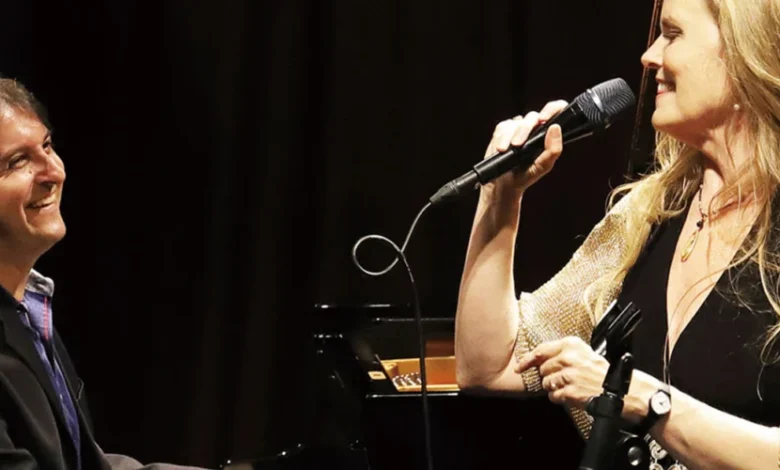
The release of Spring, a collaborative album by nine-time Grammy-nominated vocalist Tierney Sutton and acclaimed pianist Tamir Hendelman, marks a significant milestone in the duo’s long-standing professional partnership. Issued under the BFM Jazz label, the twelve-track collection serves as a thematic exploration of the vernal season, navigating the complex emotional spectrum between exuberant hope and the bittersweet melancholy of transition. By stripping away the traditional rhythm section, Sutton and Hendelman embrace the intimacy of the duo format, allowing for a telepathic level of musical communication that has been honed through years of shared stage experience. The project not only showcases their technical virtuosity but also provides a deep dive into the Great American Songbook and Brazilian jazz standards, reinterpreting them through a lens of seasonal transformation.
A Synergy Refined Through Decades of Performance
The collaboration between Tierney Sutton and Tamir Hendelman is rooted in a deep mutual respect and a shared history within the upper echelons of the jazz world. Sutton, widely recognized for her "instrumental" approach to the human voice, has spent over two decades leading the Tierney Sutton Band, a democratic unit known for its longevity and cohesive sound. However, her work outside the band often seeks different textures, and in Hendelman, she has found a harmonic partner capable of matching her intricate phrasing and emotional depth.
Tamir Hendelman, a premier pianist known for his roles in the Jeff Hamilton Trio and the Clayton-Hamilton Jazz Orchestra, brings a rich, orchestral sensibility to the piano. Having worked with legendary figures such as Barbra Streisand and Natalie Cole, Hendelman possesses a unique ability to support vocalists while maintaining a distinct, creative voice. The decision to record Spring followed a series of successful duo tours, where the pair discovered that their live chemistry translated seamlessly into the studio environment. This transition from the stage to the recording booth preserved the spontaneity and "in-the-moment" feel that defines high-level jazz improvisation.
The Opening Statement: Jobim and the Essence of Saudade
The album opens with a definitive nod to the bossa nova tradition, featuring Antonio Carlos Jobim’s "Double Rainbow" (originally titled "Chovendo na Roseira"). The choice of a Jobim composition to inaugurate an album titled Spring is both a stylistic and thematic masterstroke. Jobim’s music is famously imbued with saudade—a Portuguese term describing a profound state of nostalgic longing or a "presence of absence." This emotional complexity is central to the album’s narrative, suggesting that spring is not merely a time of bright sunshine but also a season of cleansing rain and reflective shadows.
In their rendition of "Double Rainbow," Hendelman sets the scene with an emotionally rich introduction, utilizing the piano’s lower register to simulate the approach of a spring storm. Sutton enters with wordless vocalizing, a hallmark of her style that treats the voice as a primary instrument before transitioning into the English lyrics. The imagery of rain falling on roses and fragrance drifting across a garden serves as a sensory anchor for the listener. The interplay between the two artists is characterized by an "anticipate and respond" dynamic; Hendelman’s harmonic shifts often mirror the nuances in Sutton’s delivery, creating a unified sonic landscape that captures the essence of a rainy day in the garden.
Navigating the Melancholy Obverse of the Season
While spring is traditionally associated with renewal and the blossoming of life, the jazz canon has frequently explored its more difficult emotional facets. Sutton and Hendelman delve into these "melancholy obverses" with selections such as "Spring Can Really Hang You Up the Most" and "Spring Will Be a Little Late This Year."
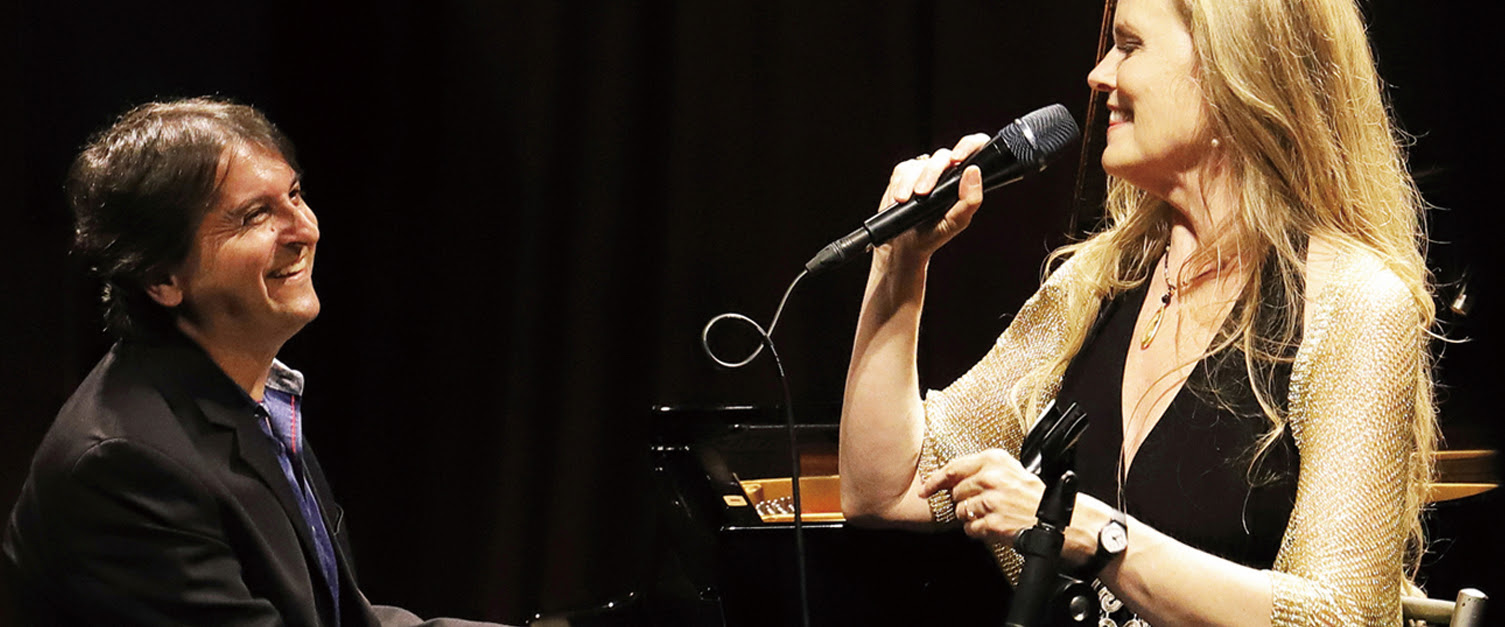
"Spring Can Really Hang You Up the Most," written by Fran Landesman and Tommy Wolf, is a classic example of the "anti-spring" sentiment. The lyrics subvert the typical tropes of the season, portraying the arrival of flowers and birds as a painful reminder of lost love. Sutton’s interpretation leans into this irony, using her crystalline tone to highlight the vulnerability of the protagonist. Hendelman’s accompaniment remains sparse and supportive, allowing the weight of the lyrics to resonate without over-embellishment.
Similarly, Frank Loesser’s "Spring Will Be a Little Late This Year" provides a narrative of delayed healing. The song, which gained fame during the mid-1940s, resonates as a metaphor for the slow process of emotional recovery. By including these tracks, the duo acknowledges that the "hopefulness" of the season is often hard-won, requiring a passage through the lingering chill of winter.
Technical Prowess and Artistic Spontaneity
From a technical perspective, Spring is a masterclass in the duo format. Recording without a bassist or drummer requires the pianist to handle the rhythmic and harmonic duties simultaneously—a task Hendelman performs with deceptive ease. His "walking" left-hand lines provide a solid foundation, while his right-hand flourishes add a layer of brightness that complements Sutton’s range.
Sutton, for her part, demonstrates why she is a perennial favorite of the Recording Academy. Her ability to manipulate pitch and vibrato to convey specific moods is on full display throughout the album. In the studio, the pair maintained a philosophy of minimal takes, prioritizing the "intimacy they engender on stage" over clinical perfection. This approach ensures that the album feels like a living, breathing performance rather than a static product.
The Finale: A Tribute to Friendship and Faith
The album concludes on a note of profound resonance with Michel Legrand’s "You Must Believe in Spring." This choice is particularly significant due to Sutton’s personal connection to the song’s lyricists, the late Alan and Marilyn Bergman. The Bergmans, legendary figures in the world of American popular song, were close friends of Sutton, and their influence on her career has been well-documented.
The rendition of "You Must Believe in Spring" featured on the album includes a "little-heard verse" provided by the Bergmans themselves. This addition offers fresh insight into a song that has been covered by countless jazz legends, including Bill Evans and Tony Bennett. The verse reinforces the album’s central message: that despite the inevitable presence of "saudade" and the hardships of the preceding winter, the cycle of life necessitates a belief in the eventual return of warmth and light. Sutton’s delivery of the final lines acts as a definitive statement of her artistic perspective, landing firmly on the side of hope and resilience.
Historical Context and the Seasonal Motif in Jazz
The concept of a "seasonal" album has a long history in jazz, often serving as a vehicle for artists to explore specific moods. Vivaldi’s Four Seasons may be the most famous classical precursor, but in the jazz realm, the transition of seasons has inspired everything from Duke Ellington’s "Autumn Leaves" to the various "Winter Wonderland" interpretations.

Spring, however, distinguishes itself by avoiding the clichés of the genre. Rather than focusing on "upbeat" or "sunny" standards exclusively, Sutton and Hendelman recognize that spring is a season of transition. In the context of the global music industry, where high-concept albums often rely on heavy production, the simplicity of Spring is a bold choice. It places the focus squarely on the quality of the compositions and the integrity of the performances.
Implications for the Contemporary Jazz Landscape
The release of Spring comes at a time when the jazz world is seeing a resurgence in intimate, small-ensemble recordings. As the costs of large-scale production rise and the digital landscape favors authentic, "live-feel" content, the duo format offers an economical and artistically rewarding path forward.
For Tierney Sutton, the album adds another sophisticated chapter to an already illustrious discography. It reinforces her status as a premier interpreter of lyrics and a vocalist who values the collaborative process above all else. For Tamir Hendelman, the project serves as a showcase for his versatility and his ability to transform the piano into a multi-dimensional accompanying force.
Conclusion: A Garden of Sonic Textures
In Spring, Tierney Sutton and Tamir Hendelman have created more than just a collection of songs; they have curated a sensory experience that mirrors the unpredictability of the season itself. From the Jobim-inspired raindrops of the opening track to the Bergman-penned hope of the finale, the album navigates the complexities of the human heart with grace and precision.
The twelve tracks serve as a reminder that renewal is not a single event but a process—one that involves both the fragrance of roses and the "scent of some forgotten melody." As listeners engage with this ode to the season, they are invited to reflect on their own experiences of "saudade" and the enduring necessity of believing in the return of spring. Through their masterful interplay and deep emotional intelligence, Sutton and Hendelman have delivered a work that is both timely and timeless, solidifying their positions as essential voices in modern jazz.