Jake Worthington Resumes Musical Career and Touring Schedule Following Strategic Hiatus for Personal Wellness and Family Priorities

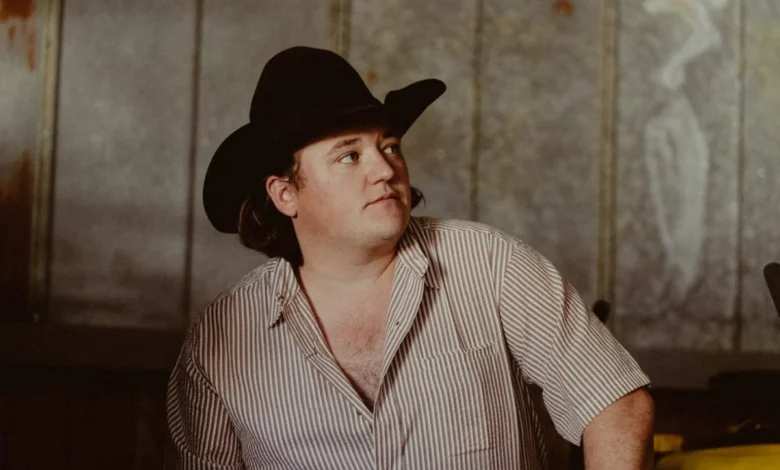
Jake Worthington, a prominent figure in the modern neotraditional country music movement, has officially announced his return to the stage and the recording studio. This transition marks the end of a multi-month sabbatical that the artist initiated earlier this year to address personal health concerns and focus on his familial responsibilities. Worthington, whose authentic honky-tonk sound has earned him a dedicated following and critical acclaim, shared the news via his social media channels, signaling a "sure-footed" reentry into an industry that has increasingly begun to grapple with the mental and physical tolls of the touring lifestyle.
The announcement comes as a significant relief to the country music community, which has seen a rising number of its stars step back from the limelight to preserve their long-term well-being. Worthington’s return is not merely a resumption of work but is being framed as a recalibrated approach to a career that, by his own admission, had begun to mirror the turbulent lifestyles of his legendary predecessors a bit too closely.
The Catalyst for the Hiatus: Balancing Legacy and Longevity
In May, Worthington took the industry by surprise when he announced an indefinite leave of absence. At the time, the singer-songwriter was experiencing a surge in professional momentum, fueled by the success of his self-titled debut album and a rigorous touring schedule. However, the pressures of the road and the historical "hard-living" expectations of the country music genre began to manifest in ways that Worthington felt were unsustainable.
In his initial statement regarding the break, Worthington provided a candid assessment of his situation. He noted that while he had always aspired to live a life similar to his musical heroes—icons like George Strait, Keith Whitley, and Merle Haggard—the reality of that lifestyle had begun to overwhelm him. "I live a life as my heroes did, but that life gotten a hold of me," Worthington admitted. He emphasized that his love for his family, friends, and fans necessitated a period of reflection and recovery, stating, "I need to take some time to work on myself for my wife and my daughter."
This admission highlights a recurring theme in the contemporary music industry: the conflict between the romanticized "outlaw" persona and the practical requirements of maintaining mental health and family stability. For Worthington, the decision to step away was an act of preservation, ensuring that he could return to his craft with a renewed sense of purpose rather than succumbing to burnout or more severe personal crises.
A Chronology of the Neotraditional Movement and Worthington’s Rise
To understand the impact of Worthington’s return, one must look at his trajectory within the broader context of the country music landscape. Rising to national prominence as the runner-up on Season 6 of NBC’s The Voice, Worthington eschewed the typical pop-leaning path often taken by reality show alumni. Instead, he doubled down on a traditionalist sound characterized by steel guitars, fiddles, and a distinct Texas drawl.
Following his time on The Voice, Worthington spent years honing his craft in the Texas honky-tonk circuit before signing with Big Loud Records. His 2023 debut album was hailed as a masterclass in neotraditionalism, positioning him alongside artists like Zach Top and Randall King as the "new guard" of old-school country. This movement serves as a counter-narrative to the "Bro-Country" and "Snap-Track" trends that dominated the 2010s, tapping into a demographic of listeners yearning for the storytelling and instrumentation of the 1980s and 90s.
The timeline of his recent hiatus and return is as follows:
- Early 2024: Worthington maintains a heavy touring schedule, supporting his debut album and performing at major festivals.
- May 2024: Worthington issues a public statement announcing his departure from the road to focus on his mental health and family.
- Summer 2024: A period of public silence follows, during which Worthington reportedly engaged in private recovery and spent time with his wife and daughter.
- Late 2024: Worthington begins making subtle appearances on social media, hinting at a return to form.
- Current Update: Worthington confirms his return with a "Sure Footed" message, indicating he is ready to resume his professional obligations.
The Broader Industry Context: A Growing Trend of Self-Care
Worthington is not an isolated case. The year 2024 and the projected trends for 2025-2026 show an increasing number of country artists prioritizing health over immediate commercial gain. This shift marks a cultural change within Nashville and the broader touring industry.
Artists such as Chase Rice, Randall King, and Colter Wall have all made similar headlines recently. Chase Rice took a hiatus to rediscover his musical identity and address the mental fatigue of the industry, while Randall King briefly stepped back to manage the rigors of an international touring schedule. Colter Wall has famously maintained a boundary between his life as a rancher and his life as a touring musician, often taking extended breaks to return to his roots in Saskatchewan.
Data from organizations like MusicCares and the British Association for Performing Arts Medicine (BAPAM) suggest that touring musicians are three times more likely to experience depression and anxiety compared to the general population. The combination of irregular sleep, isolation from support systems, and the "always-on" nature of social media engagement creates a high-pressure environment. By stepping away, Worthington joined a vanguard of artists who are de-stigmatizing the need for mental health breaks in a genre that has historically prized "toughing it out."
Analysis of the Return: What "Sure Footed" Signifies
Worthington’s return message was concise but loaded with meaning. By using the phrase "Sure Footed," the artist implies a newfound stability. In the context of his previous statement about the "life of his heroes" getting a hold of him, "Sure Footed" suggests a departure from the instability often associated with substance use or the chaotic nature of life on the road.
Industry analysts suggest that this "Sure Footed" approach likely involves a more structured touring schedule, perhaps with fewer back-to-back dates and a greater emphasis on maintaining a work-life balance. For a Big Loud Records artist, this may also involve a shift in how promotional cycles are handled, prioritizing quality of engagement over quantity.
The airport video shared by Worthington, showing him ready to travel, serves as a visual confirmation of his readiness. It signals to promoters and venue owners that he is physically and mentally prepared to fulfill his contracts, a crucial factor in maintaining the professional relationships that sustain a long-term career in music.
Support from the Country Music Community
The reaction to Worthington’s return has been overwhelmingly positive. Peers within the industry, many of whom have faced similar struggles, have offered public displays of support. While specific private communications remain confidential, the public sentiment on platforms like Instagram and X (formerly Twitter) reflects a shift in the fan-artist relationship. Modern fans appear more empathetic toward the human needs of the performers they admire, often encouraging health over productivity.
"We’re hitting the pavement, Sure Footed," Worthington told his followers, expressing gratitude for the "opportunity and time given." This gratitude extends to his management team and label, Big Loud, who supported the hiatus—a move that, in previous decades, might have resulted in a breach of contract or a loss of career momentum.
Future Implications for Worthington’s Career and the Genre
As Worthington returns to the road, the industry will be watching closely to see how his time away influences his art. Traditionally, periods of introspection and family focus lead to more profound songwriting and a more grounded stage presence. For a singer whose brand is built on authenticity, this chapter of his life may provide the raw material for his next record.
Furthermore, Worthington’s successful return could serve as a blueprint for other artists. It proves that a hiatus does not necessarily mean the end of a career; rather, it can be a strategic "reset" that allows for greater longevity. In an era where "burnout" is a buzzword, Worthington’s transparency regarding his struggles and his deliberate path to recovery offer a healthy example for up-and-coming musicians.
The "Hell of a Highway" singer is now tasked with navigating the very environment that previously overwhelmed him. However, with a "filled cup" and a clear focus on his wife and daughter, Worthington appears better equipped to handle the demands of stardom. As he hits the pavement once again, he does so not just as a talented vocalist, but as a man who has reclaimed his narrative from the shadows of the legends he admires.
The country music world remains "sure footed" alongside him, eager to hear the stories he has gathered during his time away and ready to welcome back one of the most genuine voices in the modern era of the genre. Jake Worthington’s return is a testament to the fact that while the "old" sound is back in style, the "old" way of living is being replaced by a more sustainable, health-conscious future.