Father Hell Embraces Analog Imperfection on Debut Album Trust Some Machines and Shares New Single

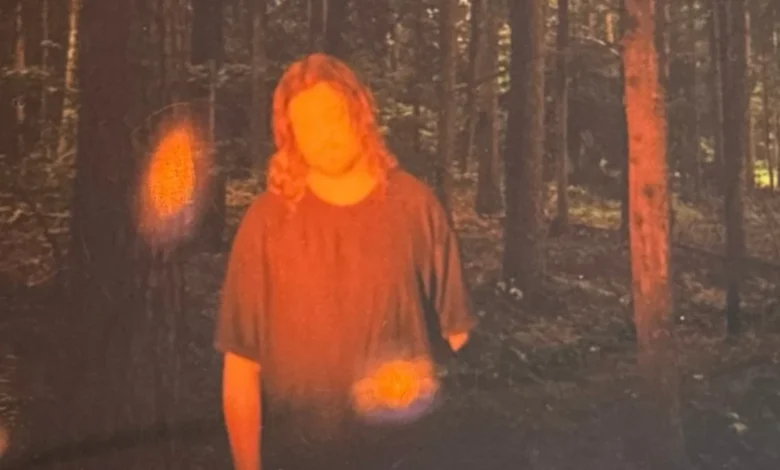
In an era dominated by hyper-processed digital production, algorithmic curation, and the relentless pursuit of pristine perfection, Sunderland-raised songwriter and multi-instrumentalist Mattie Vant has chosen a radically different path. Operating under the moniker Father Hell, Vant has orchestrated a deliberate retreat from modern recording conveniences for his forthcoming debut album, Trust Some Machines. Recorded entirely within a strict seven-day window using an analog four-track recorder and no mobile phone access, the project represents a conscious rebellion against the overthinking and endless revisions that characterize contemporary music creation. The album’s lead single, I Still Love You The Same As I Always Did, serves as a primary showcase for this stripped-down philosophy, highlighting a growing underground movement among artists seeking refuge in tangible, physical mediums.
The Genesis of Father Hell: A Week in Analog Isolation
The conceptual framework behind Father Hell was born out of creative fatigue. Vant, an experienced musician familiar with the endless loops of digital audio workstations (DAWs), recognized that modern technology often allows creators to endlessly second-guess their artistic instincts. By imposing strict self-imposed limitations—giving himself precisely one week to write, perform, and record—he sought to bypass his own internal filter and combat acute self-doubt.
The ground rules were absolute: turn off the phone, abandon the safety net of digital editing software, and commit performances directly to an analog four-track machine. This methodology ensured that mistakes were preserved, vocal pitches naturally wavered, and arrangements remained unvarnished. Rather than viewing errors as flaws to be corrected, Vant embraced them as essential components of human expression. The resulting sound is intensely lo-fi, gentle, and remarkably intimate, establishing an immediate and unfiltered connection with the listener.
Anatomy of a Lullaby: Inside the New Single
The album’s newly released single, I Still Love You The Same As I Always Did, exemplifies the power of restraint in modern composition. Constructed from remarkably sparse elements, the track relies on Vant’s acoustic guitar and vocals, complemented by the evocative cello playing of Sophie Sayer and the nostalgic, atmospheric tones of the vibraphone setting on a vintage 1980s keyboard. Every component of the arrangement is given ample acoustic space to breathe, avoiding the sonic crowding typical of modern pop and indie productions.
The melody unfolds in a repetitive, circular motion reminiscent of a traditional lullaby, achieving a sense of peaceful simplicity before resolving into an extended, contemplative closing coda. Reflecting on the creative process behind the track, Vant noted that the song would likely have been abandoned, overcooked, and over-analyzed had he attempted to construct it within a digital environment where every parameter can be endlessly tweaked.
Musical Evolution and Tracklist Quirks on Trust Some Machines
Scheduled for release in December, Trust Some Machines expands upon the raw template of its lead single while gradually subverting expectations. The album weaves together nylon-string acoustic guitars, organic cello textures, cheap electronic synthesizers, warped magnetic tape saturation, and heavily treated vocals. As the tracklist progresses, the initial acoustic intimacy shifts into stranger, more experimental sonic territory.
Despite the earnestness of its creation, the album retains a distinct sense of humor. Vant’s wry worldview is reflected in unconventional song titles that have made the final cut, including Bassist Needed For Hardcore Power Violence Band and Live Laugh Love. These titles offer a stark contrast to the vulnerable instrumentation, underscoring the artist’s pragmatic realization that perfection is an illusion. As Vant observes, once an artist accepts that there is no universal definition of correct in art, they can stop obsessing over microscopic details and begin appreciating the broader emotional picture.
Live Performances and Tour Itinerary
To mark the release of Trust Some Machines, Father Hell has scheduled a series of intimate live appearances designed to mirror the stripped-down ethos of the recording sessions. The promotional schedule kicks off with an exclusive, unannounced secret hometown show in Sunderland on December 4. This will be followed by a high-profile headline performance at SJQ in London on December 10, a date that has already achieved completely sold-out status. In keeping with the album’s thematic rejection of modern connectivity, attendees are widely anticipated to experience performances relatively free of illuminated smartphone screens.
Industry Context and the Analog Revival
Father Hell’s debut arrives amid a broader cultural counter-movement within the music industry. Over the past half-decade, global markets have witnessed a sustained resurgence in physical formats, most notably vinyl records and audio cassettes, alongside a growing fatigue with algorithmic recommendation engines and social media saturation. Independent artists and major-label acts alike are increasingly experimenting with restricted workflows, field recordings, and vintage gear to recapture a sense of authenticity that many feel has been lost in the streaming era.
Analysts tracking independent music trends note that consumers are increasingly drawn to art that reveals the physical labor and human vulnerability behind its creation. By intentionally leaving in vocal cracks, tape hiss, and instrumental imperfections, Vant aligns himself with a rich lineage of lo-fi pioneers who recognized that emotional resonance often thrives in the spaces where technical polish fails.
Broader Implications for Independent Songwriting
The implications of Trust Some Machines extend beyond mere aesthetic preference, touching on the psychology of modern artistic productivity. In an attention economy that pressures creators to constantly produce content, maintain active social media profiles, and optimize their work for streaming algorithms, Vant’s seven-day analog experiment offers an alternative blueprint for sustainable creativity.
By removing the infinite undo button of digital technology, artists can liberate themselves from the paralysis of choice. Vant’s journey demonstrates that limitations can serve as a catalyst for completion rather than a restriction on imagination. As the music industry continues to grapple with the rise of artificial intelligence and hyper-automated production tools, the raw, human-centric approach championed by Father Hell provides a timely reminder of the enduring power of simple melodies captured in real time.
Conclusion and Availability
As the release date for Trust Some Machines approaches in December, early critical response to I Still Love You The Same As I Always Did suggests that listeners are eager for music that demands attentive, undistracted listening. Through a combination of bold constraints, unorthodox instrumentation, and unfiltered emotional honesty, Mattie Vant has carved out a distinct space for his work within the contemporary independent landscape. Fans of lo-fi songwriting, analog production, and uncompromising artistic vision can stream the new single across major digital platforms ahead of the album’s official drop and the artist’s upcoming live dates in Sunderland and London.
Related posts: