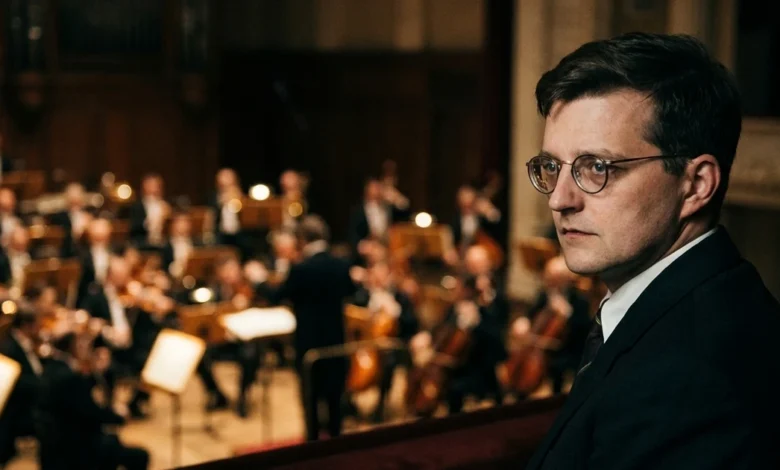
Written at a crossroads of terror and artistic survival, Dmitri Shostakovich’s Symphony No. 5 in D minor, Op. 47, remains one of the most enigmatic and heavily scrutinized masterworks of the twentieth-century orchestral repertoire. Composed in 1937—the turbulent aftermath of the infamous Communist Party newspaper Pravda editorial condemning his opera Lady Macbeth of the Mtsensk District—the symphony has forever been tied to the existential tightrope walked by Soviet artists under Joseph Stalin’s regime. Shostakovich’s previous venture, the avant-garde Fourth Symphony, had been unceremoniously withdrawn during 1936 rehearsals under intense official pressure. The Fifth was meant to be his redemption, a public reconciliation with the state, yet its actual meaning has sparked nearly a century of debate among musicologists, conductors, and audiences alike.
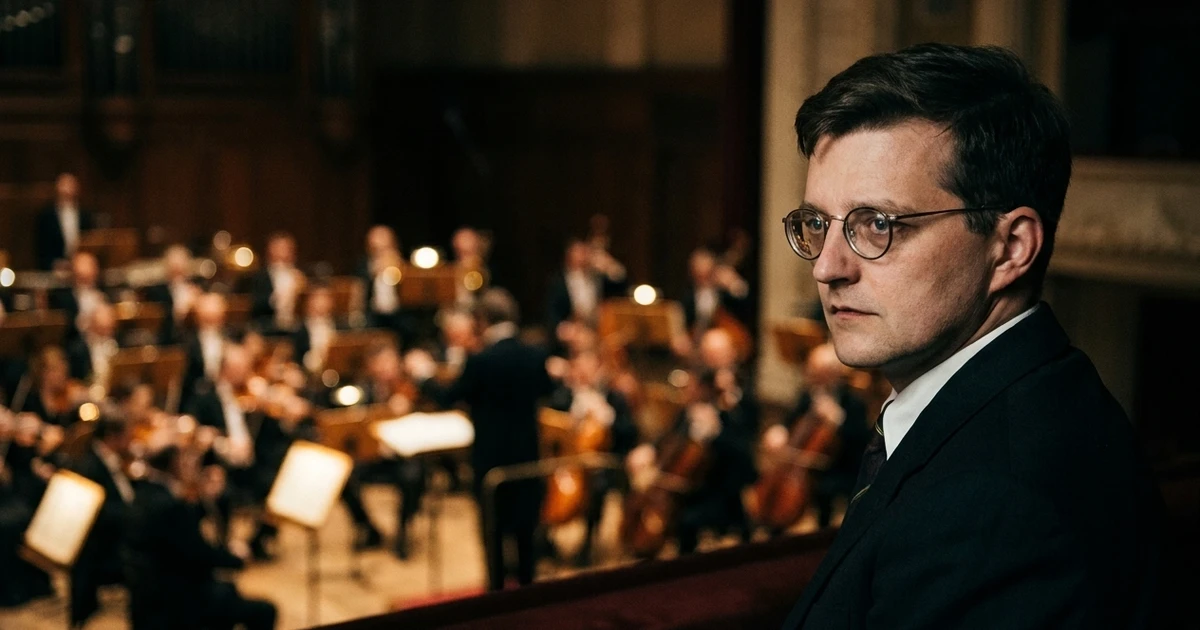
Historical Context and Political Pressure
The historical atmosphere surrounding the genesis of the Fifth Symphony was charged with palpable fear. In early 1936, the Soviet cultural apparatus turned its wrath on Shostakovich, accusing him of "formalism" and "muddle instead of music." Fearing arrest or execution—fates that befell many of his friends and colleagues during the Great Purge—Shostakovich channeled his immense creative energy into a more accessible, classical four-movement structure while maintaining his distinct compositional voice.
The Leningrad premiere on November 21, 1937, performed by the Leningrad Philharmonic Orchestra under the baton of Yevgeny Mravinsky, was an unmitigated triumph. Audience members reportedly wept openly during the sweeping Largo, and the post-concert ovation stretched for over half an hour. Shortly thereafter, an anonymous review in Vechernyaya Moskva famously dubbed the work "A Soviet artist’s creative reply to just criticism"—a label that provided a protective political shield, though Shostakovich never publicly penned the phrase nor actively repudiated it.
Structural Analysis and the Great Ending Debate
Scored for a large orchestra that includes a piano, celesta, harps, and an expansive percussion section, the symphony spans four movements: a broad Moderato, a brief and biting Scherzo, a grief-stricken Largo that pointedly leaves the brass section silent, and a volatile, fast-paced finale. The work opens with a stark, wide-leaping figure played exclusively by the strings, setting a tone of introspective gravity before descending into rhythmic propulsion.
The crux of the work’s interpretive divide lies in its triumphant D-major conclusion. For decades, critics and performers have argued whether the blazing finale represents genuine, state-sanctioned rejoicing or a forced, ironic parody of Soviet triumph—a hollow victory achieved at gunpoint. While the controversial memoir Testimony, attributed to the composer, heavily leans toward the latter interpretation, conductors must ultimately resolve this ambiguity in performance. The chosen tempo of the coda often serves as the ultimate litmus test for a maestro’s view on the work’s true psychological intent.
The 10 Best Recordings of Shostakovich Symphony No. 5
As part of an ongoing effort to guide listeners through the vast recorded history of this towering work, the editorial team at The Classic Review has curated the ten definitive recordings of Shostakovich’s Symphony No. 5, reflecting a broad spectrum of stylistic approaches from fiery political defiance to icy introspection.
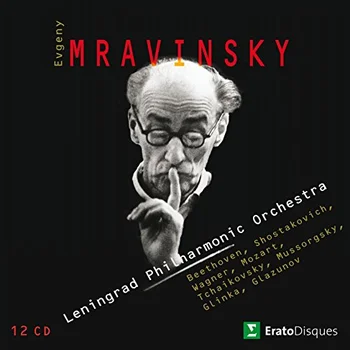
1. Leningrad Philharmonic Orchestra, Yevgeny Mravinsky (1983 Live Recording)
As the conductor who led the 1937 world premiere, Yevgeny Mravinsky held an unmatched authority over the score. Captured forty-six years later in a live concert setting, this recording displays a fierce, unyielding grip on the musical architecture. Mravinsky launches the finale at a breathless, dangerous speed before broadening the close into an implacable wall of sound, completely disregarding the printed metronome mark to achieve a far more powerful dramatic impact. Though minor concert hall noises linger in the audio, no other reading possesses this level of historical and artistic gravity.
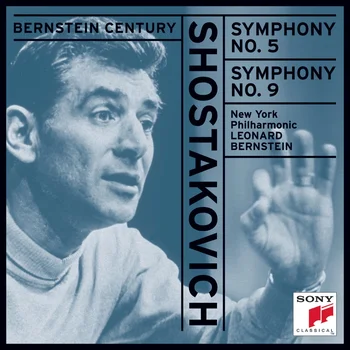
2. New York Philharmonic, Leonard Bernstein (1959)
Leonard Bernstein treats the symphony as an unadulterated virtuoso showpiece, injecting a kinetic thrill that more conservative interpretations lack. Having conducted the work in the Soviet Union just weeks prior to an ecstatic audience and a delighted composer, Bernstein brought that electric energy back to New York that October. His blistering finale approaches the closing pages as a straightforward, unmitigated triumph. While listeners seeking deep psychological ambiguity may find the relentless pacing exhausting, Bernstein’s account remains the definitive choice for pure orchestral adrenaline.
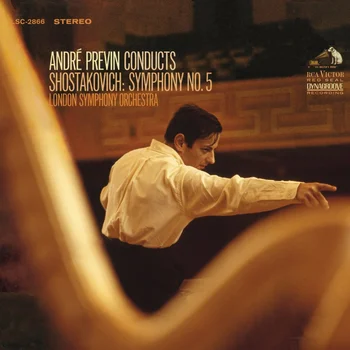
3. London Symphony Orchestra, André Previn (1965)
Refinement and raw drive rarely coexist comfortably in this repertoire, yet André Previn achieved a masterclass in balance with the London Symphony Orchestra in 1965. The orchestral textures are rich and full-bodied, maintaining structural clarity even during rapid passages. Previn places substantial emotional weight on the slow movement, stretching phrases down to an absolute whisper, while the cellos and basses attack the Scherzo with biting irony. Despite minor historical transfer limitations—including flattened climaxes and faint rumble in the first movement—this remains one of the finest accounts of the mid-twentieth century.
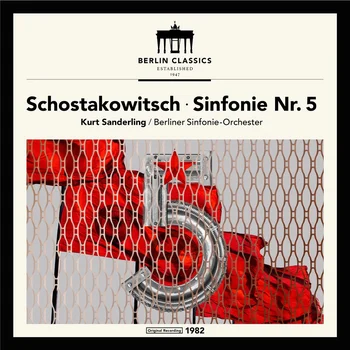
4. Berlin Symphony Orchestra, Kurt Sanderling (1982)
For listeners wishing to experience the score as if it were laid out directly on an analytical table, Kurt Sanderling’s 1982 recording is peerless. Sanderling attended a Moscow performance shortly after the 1937 premiere and later conducted the 1949 concert that reintroduced the piece to standard Soviet programming. Rather than relying on theatrical weight, Sanderling prioritizes absolute clarity. Inner voices that typically vanish within the orchestral texture emerge with startling transparency. Though the high strings can occasionally sound glassy, the performance feels uniquely close to the composer’s structural intentions.
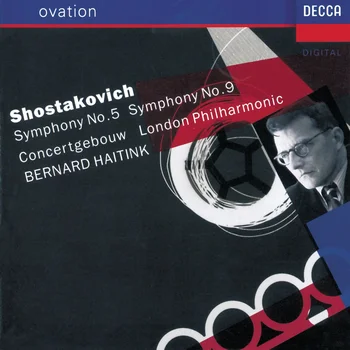
5. Royal Concertgebouw Orchestra, Bernard Haitink (1981)
Bernard Haitink approaches the symphony with characteristic steadiness, backed by the plush acoustics and pristine playing of the Royal Concertgebouw Orchestra. The opening movement lands with substantial acoustic impact, framed by warm, open engineering. However, Haitink deliberately withholds the underlying menace and terror inherent in the score, favoring an even-keeled emotional landscape. While some traditionalists yearn for a darker, more harrowing psychological portrait, the sheer instrumental polish of the performance is virtually unbeatable.
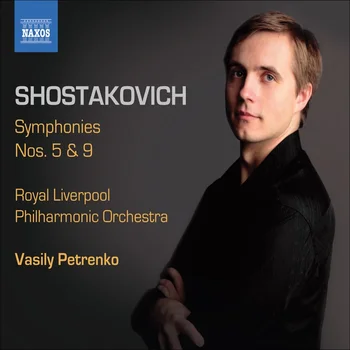
6. Royal Liverpool Philharmonic Orchestra, Vasily Petrenko (2008)
Vasily Petrenko constructs his entire 2008 interpretation around the uncompromising rejection of celebration in the final bars. Employing extreme dynamic contrasts between whisper-quiet passages and explosive outbursts, Petrenko uncovers a wealth of hidden detail. The central stretch of the final movement drips with profound regret, leading into a coda that drags forward at a painful crawl, signaling defiance rather than victory. It is an intentionally challenging listen that makes a devastating case for the symphony’s darker undercurrents.
7. Pittsburgh Symphony Orchestra, Manfred Honeck (2013 Live)
By adhering rigorously to the composer’s dynamic and balance markings, Manfred Honeck reframes the character of the symphony entirely. Details that routinely sink beneath the orchestral tide—such as the delicate harp writing in the first movement or the striking piano contribution at the climax of the Largo—are brought into sharp relief. Honeck anchors his interpretation on a dignified, quiet grief in the slow movement, refusing to milk the music for cheap emotional effects. While the deliberate pacing slightly diminishes the sardonic irony of the Scherzo, the sheer textual fidelity is remarkable.
8. Boston Symphony Orchestra, Andris Nelsons (2014)
The Boston Symphony Orchestra delivers a performance of breathtaking scale, anchored by trumpet playing of world-class caliber. Andris Nelsons establishes an undercurrent of sustained unease right from the opening bars, allowing brief moments of lyrical relief—such as the poignant dialogue between flute and horn in the first movement—to shine through a spacious acoustic canvas. Though excessive reverberation slightly dampens the initial string articulations, Nelsons offers the grandest modern symphonic vision available.
9. London Symphony Orchestra, Maxim Shostakovich (ca. 1990s)
Led by the composer’s own son, Maxim Shostakovich adopts remarkably expansive tempos, running significantly slower than Mravinsky across all four movements. Yet, the underlying rhythmic pulse never sags. The London Symphony Orchestra performs with absolute seriousness and emotional restraint, refusing to over-dramatize the slow movement. The resulting interpretation relies on immense cumulative scale to deliver its emotional argument, proving that patience can be just as devastating as velocity.

10. Moscow Philharmonic Orchestra, Kirill Kondrashin (1964)
Though recorded decades after the premiere, Kirill Kondrashin’s 1964 account captures the score with raw, unvarnished immediacy. Kondrashin, who premiered two of Shostakovich’s later symphonies, drives the outer movements with a rough, relentless urgency that prioritizes expressive impact over immaculate polish. The ferocious coda lands with a devastating physical force that smoother, modern digital recordings rarely replicate. For those seeking Shostakovich’s Fifth at its most dangerous and unstable, Kondrashin remains the definitive recommendation.