The National Ballet of Canada to Premiere Jera Wolfe’s Kismet Alongside Helen Pickett’s Emma Bovary at the Four Seasons Centre


The National Ballet of Canada (NBC) has announced a significant addition to its spring season with a mixed program featuring the world premiere of Jera Wolfe’s Kismet. Scheduled to run from May 29 to June 4 at the Four Seasons Centre for the Performing Arts in Toronto, the production marks a pivotal moment for the company as it continues to expand its repertoire with contemporary Canadian voices. Wolfe’s new creation will share a double bill with the return of Helen Pickett’s Emma Bovary, a psychological drama that premiered to critical acclaim in 2023. This pairing represents a deliberate juxtaposition of styles, blending Wolfe’s athletic, nature-inspired movements with Pickett’s narrative-driven exploration of 19th-century literature.
The centerpiece of the program, Kismet, is the first major commission for the National Ballet of Canada from Jera Wolfe, a choreographer of Métis heritage who has rapidly ascended to the forefront of the Canadian dance scene. While Wolfe previously collaborated with the company on Soul—a digital work produced during the COVID-19 pandemic and later staged at Harbourfront Centre—Kismet represents his debut on the grand stage of the Four Seasons Centre with the full resources of the company at his disposal. The production involves a cast of 35 dancers, signaling a high-scale undertaking that utilizes the company’s depth and technical proficiency.
The Artistic Vision of Jera Wolfe
Born in Toronto and a graduate of Canada’s Royal Winnipeg Ballet School, Jera Wolfe has developed a choreographic language that seamlessly integrates classical ballet foundations with contemporary fluidity and Indigenous expression. Since 2016, he has maintained a consistent relationship with the Royal Winnipeg Ballet, returning annually to create new works. His professional trajectory includes performances with Peggy Baker Dance Projects and appearances at the Holland Dance Festival, providing him with a diverse stylistic background that informs his current creative output.
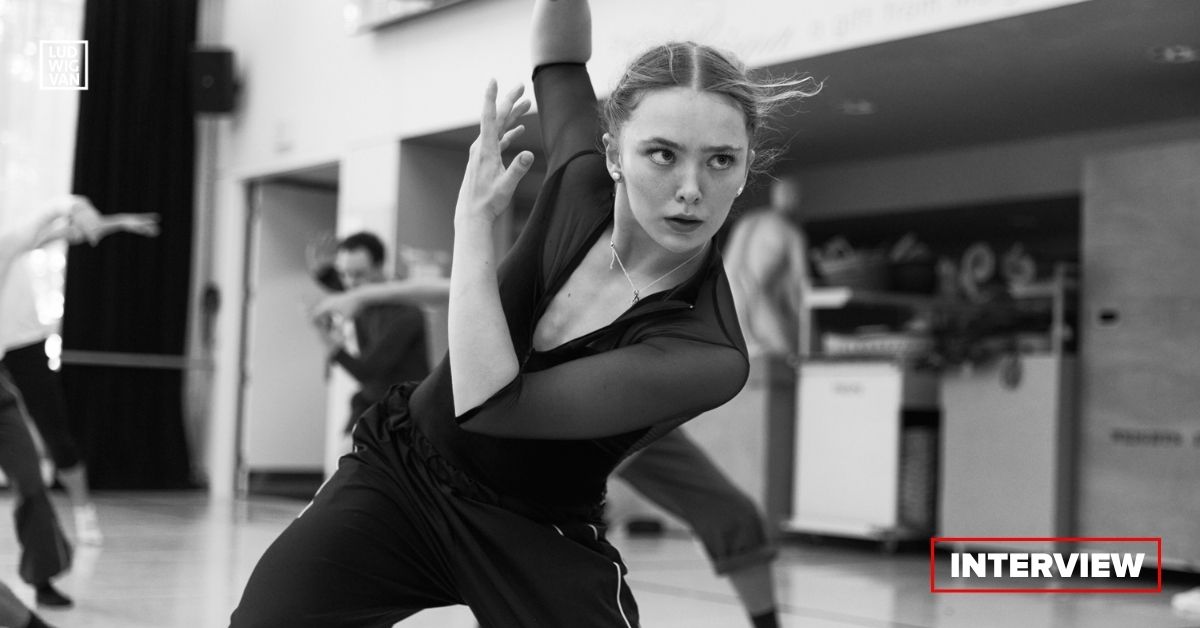
Wolfe’s reputation for emotional depth and rigorous athleticism was solidified in 2019 when he won the Dora Mavor Moore Award for Outstanding Original Choreography for Trace, a collaboration with Red Sky Performance. His recent portfolio includes Bare for the Royal Winnipeg Ballet, Arise for Canada’s National Ballet School, and Embers for the Canadian Contemporary Dance Theatre. These works often explore themes of resilience, connection to the land, and the complexities of human relationships—themes that are central to the narrative arc of Kismet.
Musical Foundations and the Legacy of Ezio Bosso
The choreographic structure of Kismet is dictated by the first two movements of Symphony No. 2, "Under the Trees Voices," by the late Italian composer Ezio Bosso. Bosso, who passed away in 2020, was a multifaceted artist known for his work as a pianist, conductor, and composer for film and stage. His music is often described as cinematic and virtuosic, possessing a complexity that challenges performers while remaining accessible to audiences.
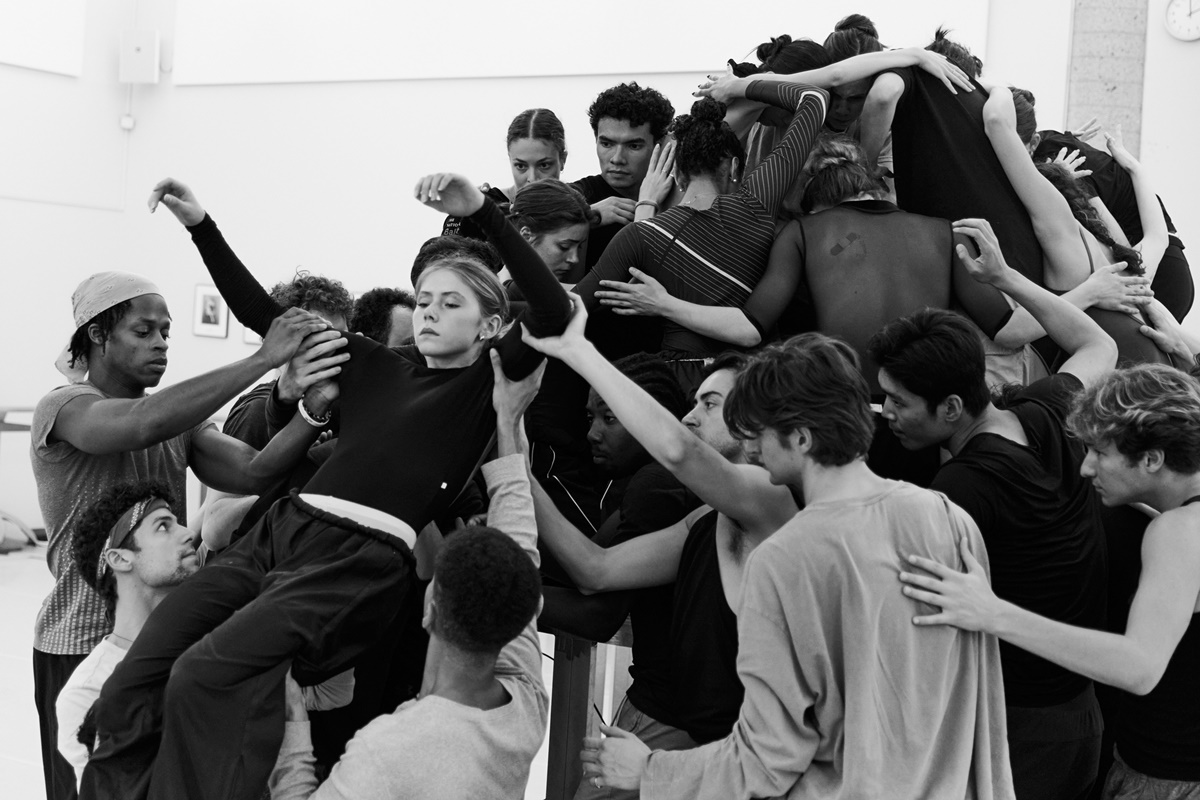
Wolfe’s inspiration for the ballet originated from a specific live recording of Bosso’s symphony, captured at a festival in a forested region near the Alps. The recording includes ambient sounds of the environment, such as the wind rustling through trees and children playing in the distance. Wolfe noted that this "natural" quality provides a sense of reality that anchors the fantasy elements of the ballet. The music begins with a delicate violin solo before expanding into a large-scale orchestral work, mirroring the ballet’s progression from an intimate duet between two dancers to a massive ensemble piece featuring 35 performers.
A critical component of this production is the involvement of the National Ballet of Canada Orchestra. Under the direction of Music Director and Principal Conductor David Briskin, the orchestra provides a live accompaniment that Wolfe describes as "magical." Unlike recorded music, which offers rigid consistency, a live orchestra creates a dynamic relationship between the musicians and the dancers. This spontaneity allows for subtle shifts in tempo and phrasing, fostering a human connection that is essential to the work’s emotional resonance.

Themes of Fate, Nature, and Human Nature
Kismet, a term referring to fate or destiny, explores the cyclical nature of human ambition and loss. The ballet follows a central female protagonist on a journey through a fantastical forest environment. Rather than an urban or pedestrian setting, Wolfe has opted for a world of "fantasy and fungi," where dancers are costumed as fairy-like creatures. The production design, led by lighting designer Simon Rossiter, avoids the "sci-fi" aesthetic of lasers and straight lines, opting instead for organic shapes and atmospheric lighting that evoke a walk through a dense, perhaps illusory, woodland.
Thematically, the work delves into the destructive nature of obsession. The protagonist is depicted as a woman pursuing a goal even as it becomes clear that her pursuit is causing her life to crumble. Wolfe uses the metaphor of a tree being built and subsequently pulled apart to represent the toxicity that can arise in relationships and personal ambitions. The choreography addresses the human tendency to chase "highs"—whether through power, greed, or addiction—and the narcissistic belief in one’s own special destiny that often precedes a fall.
However, the ballet also offers a counterpoint of hope. As the protagonist’s world falls apart, she realizes she is not alone; a supportive partner has been present throughout her journey, waiting for her even after her quest has "turned to dust." This exploration of gratitude and the endurance of human connection provides a poignant conclusion to the work’s darker themes.
The Return of Emma Bovary
Complementing the premiere of Kismet is the return of Helen Pickett’s Emma Bovary. Based on Gustave Flaubert’s 1856 novel Madame Bovary, the ballet was co-directed by James Bonas and features a score by Peter Salem. Since its premiere in 2023, Pickett has refined the work, adding new scenes to deepen the psychological exploration of the title character.
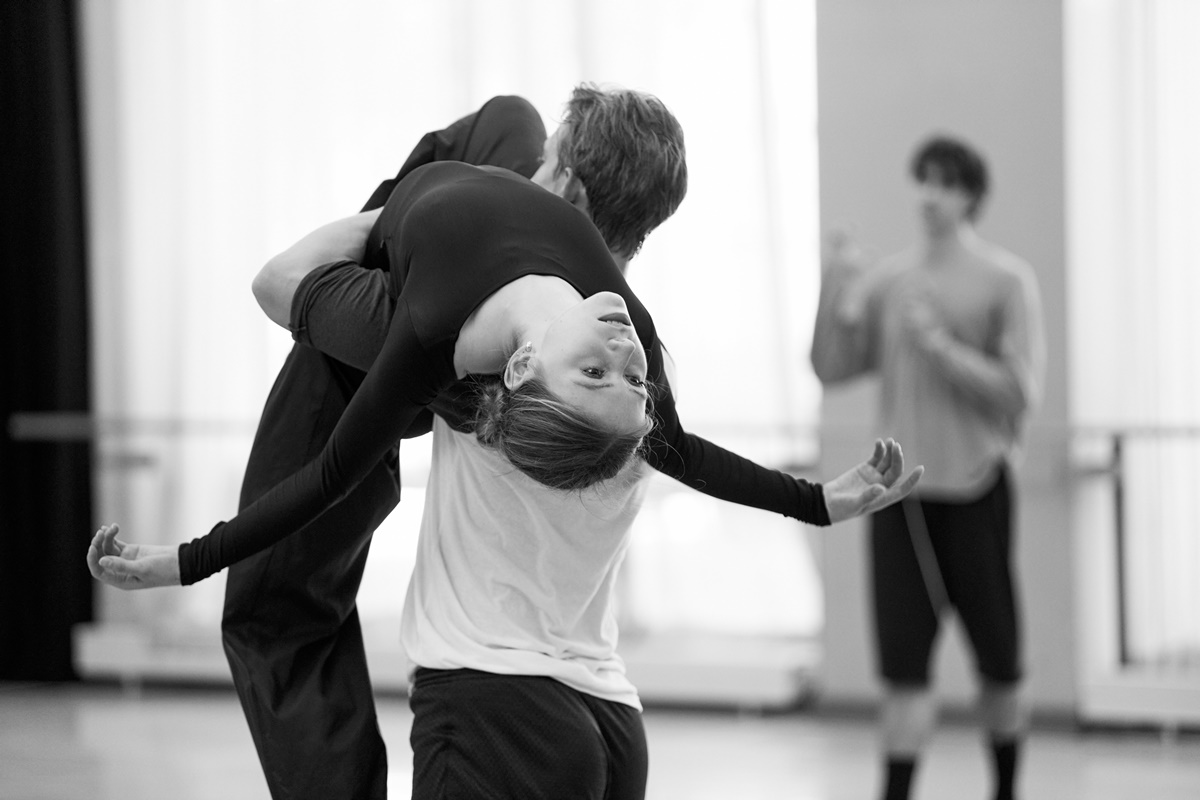
The ballet focuses on Emma Bovary’s internal struggle—her restless spirit and her desperate craving for a life of luxury and passion that exists beyond the mundane confines of her provincial marriage. Pickett’s choreography utilizes a compassionate lens to examine Emma’s choices, portraying her not merely as a tragic figure of betrayal, but as a woman seeking agency in a world that offers her few outlets for her intellect and desire. The production is noted for its evocative set and costume design, which recreates the stifling atmosphere of 19th-century France while maintaining a contemporary emotional urgency.
Technical Execution and Collaborative Challenges
Staging a double bill of this magnitude within a major professional company involves significant logistical coordination. At the National Ballet of Canada, dancers often rehearse multiple productions simultaneously, requiring a high degree of mental and physical adaptability. Wolfe noted that the pace of rehearsals is exceptionally fast, with the transition from studio to stage occurring in a matter of hours rather than days.
The collaboration with lighting designer Simon Rossiter was particularly crucial. Given the limited time available in the theater, Rossiter developed multiple contingency plans to ensure the lighting enhanced the "magical" aesthetic of the forest without obstructing the dancers’ movements. This team-based approach is a hallmark of the National Ballet’s production model, where choreographers, designers, and musicians must align their visions quickly to meet the demands of a world-class performance schedule.
Broader Implications for the National Ballet of Canada
The presentation of Kismet and Emma Bovary reflects the National Ballet of Canada’s broader strategic goals: fostering Canadian choreographic talent and modernizing the classical repertoire. By commissioning Jera Wolfe, the company is actively participating in the vital movement to bring Indigenous perspectives to the forefront of classical ballet, a field that has historically been dominated by Eurocentric narratives.
Furthermore, the revival and refinement of Emma Bovary demonstrate a commitment to "living" repertoire—works that are not static but evolve through subsequent performances. This approach allows the company to build a unique identity that balances the preservation of 19th-century classics with the development of 21st-century masterpieces.
The economic and cultural impact of such productions is significant for the Toronto arts scene. The Four Seasons Centre, as a premier venue for opera and dance, serves as a hub for cultural tourism and local engagement. The inclusion of a world premiere by a local artist like Wolfe reinforces Toronto’s status as a center for artistic innovation.
Chronology of the Production
- 2019: Jera Wolfe wins the Dora Mavor Moore Award for Trace, bringing his work to national attention.
- 2020: Wolfe collaborates with the National Ballet of Canada on the digital work Soul during the global pandemic.
- 2023: Emma Bovary by Helen Pickett premieres at the National Ballet of Canada to positive reviews.
- Early 2024: Wolfe begins intensive rehearsals for Kismet, working with Music Director David Briskin to integrate Ezio Bosso’s score.
- May 29, 2024: The double bill of Kismet and Emma Bovary opens at the Four Seasons Centre for the Performing Arts.
- June 4, 2024: The scheduled run concludes, marking the end of the initial premiere period.
As the National Ballet of Canada moves forward, the success of this mixed program will likely influence future commissioning strategies. The fusion of Wolfe’s nature-inspired fantasy and Pickett’s literary drama provides a comprehensive look at the capabilities of modern ballet, proving that the medium remains a powerful tool for exploring both the ethereal and the deeply human.
Related posts: