Andy Burnham Becomes UK Prime Minister, Music Industry Sets Ambitious Agenda

The United Kingdom ushers in a new political era today with Andy Burnham assuming the role of Prime Minister, succeeding Keir Starmer. A prominent figure in British politics and former Mayor of Manchester, Burnham is widely recognized for his deep-seated passion for music. Online discourse and numerous interviews frequently highlight his affinity for bands such as The Smiths, Radiohead, and The Strokes. This personal enthusiasm has prompted significant interest within the music industry, with many keenly observing whether this genuine appreciation will translate into tangible policy initiatives that benefit the sector.
The music industry, through its representative body UK Music, has wasted no time in articulating its priorities for the new administration. In a comprehensive statement released today, UK Music CEO Tom Kiehl outlined five critical benchmarks for Prime Minister Burnham, designed to gauge his government’s commitment to the music sector. These crucial tests, presented without a specific order of priority, address a range of pressing issues.
Key Policy Demands from the Music Industry
UK Music’s agenda for the new Prime Minister encompasses several key areas, reflecting the multifaceted challenges and opportunities facing the British music scene.
Combating Ticket Touting: A primary demand is the fulfillment of the government’s existing manifesto pledge to effectively eliminate the exploitative practices of ticket touts. This issue has long been a point of contention, with artists and fans alike suffering from inflated prices and limited access to live events due to secondary ticketing market abuses.
Protecting Copyright in the Age of AI: The rapid advancement of Artificial Intelligence (AI) presents both opportunities and significant challenges for creators. UK Music is firmly advocating for the government to rule out any new copyright exceptions related to AI, ensuring that intellectual property rights of musicians and songwriters are safeguarded. The potential for AI to generate music without proper attribution or compensation to original artists is a growing concern.
Championing the BBC’s Role in Music: The British Broadcasting Corporation (BBC) plays a vital role in showcasing and supporting UK music, both domestically and internationally, through its various radio stations and platforms. UK Music stresses the importance of ensuring that a strong, well-funded BBC continues this crucial work. Any reduction in the BBC’s capacity or remit could significantly impact emerging artists and the diversity of musical output.
Devolving Power for Regional Music Growth: A significant policy objective is the devolution of power to foster music development in towns and cities across the entire UK, moving beyond a London-centric approach. This aligns with Prime Minister Burnham’s well-documented political stance on decentralizing power and investing in regional economies and cultural hubs.
Facilitating EU Touring: Addressing the post-Brexit landscape, the final, and potentially most challenging, test is the removal of costly and prohibitive barriers to touring within the European Union. This objective necessitates complex negotiations with the UK’s former European partners and a robust governmental effort to advocate for closer cultural ties and streamlined processes for musicians undertaking international performances.
A Leader with Musical Roots
Prime Minister Andy Burnham’s connection to music is not a recent development. His tenure as Mayor of Manchester, a city with a rich and vibrant musical heritage, saw him actively engage with and support the local arts scene. His well-documented love for seminal Manchester bands like The Smiths, alongside internationally acclaimed artists such as Radiohead and The Strokes, suggests a genuine understanding and appreciation for the cultural and economic significance of music. This personal connection is seen by many in the industry as a promising indicator of his potential to champion their cause.
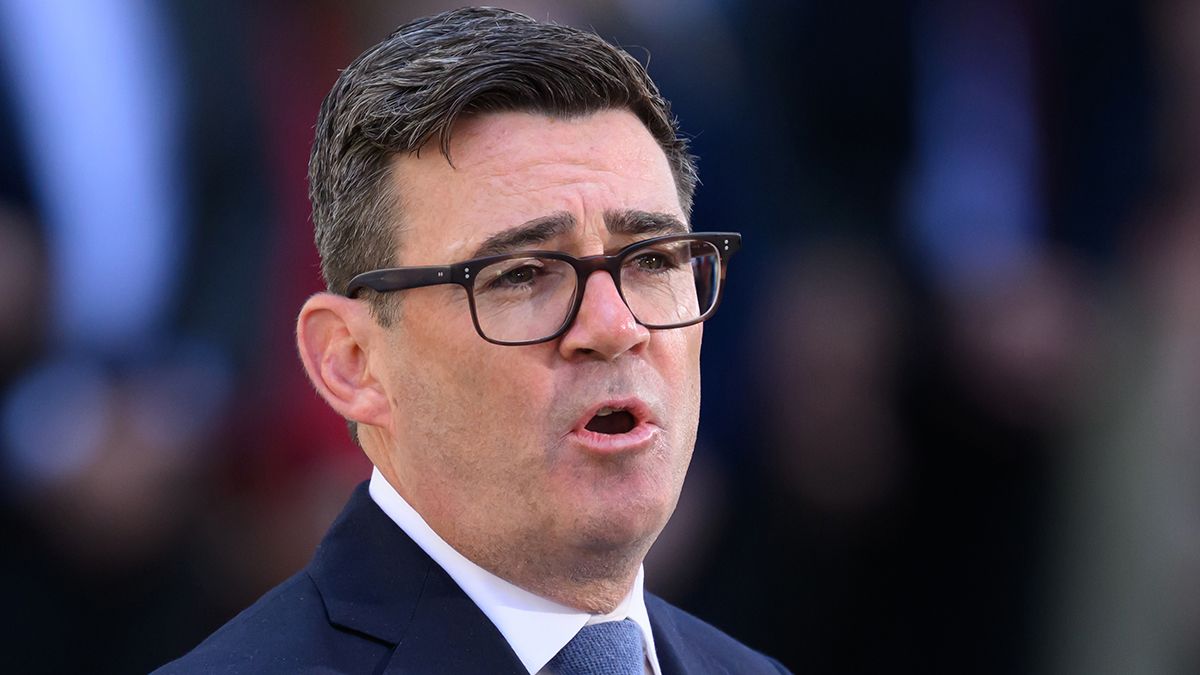
UK Music CEO Tom Kiehl emphasized this point in his statement: "We welcome Andy Burnham back to Westminster as the new Prime Minister and look forward to continuing our work championing the music industry with him. As a former Culture Secretary and big music fan, he has a deep understanding of what makes the music industry tick. He also knows the challenges facing a sector which is one of the Government’s best international calling cards, with the £4.8 billion we generate in annual exports."
The figure of £4.8 billion in annual exports underscores the substantial economic contribution of the UK music industry, highlighting its importance as a global ambassador for British culture and innovation. This economic prowess, coupled with its significant cultural impact, positions the music sector as a key asset for the nation on the international stage.
A Precedent for Action: The Government’s Recent Music Plan
The music industry’s expectations are also shaped by recent government initiatives. Less than a week prior to Prime Minister Burnham’s inauguration, the outgoing government’s Culture Secretary unveiled a significant "Music Plan." This plan included a substantial financial commitment, with a £15 million injection dedicated to funding new music projects. An additional £10 million was allocated to a mentoring scheme designed to provide children and young people with opportunities to explore creative disciplines, including music. Furthermore, reforms to the licensing system for live events were announced, aimed at increasing the number of Temporary Event Notices (TENs), thereby simplifying the process for smaller-scale live music performances.
There is currently no indication that Prime Minister Burnham intends to deviate from or scale back these recently announced measures. Given his well-articulated passion for music and its perceived importance in his personal and political life, it is plausible to expect that his administration might seek to build upon these initiatives, potentially expanding their scope or impact.
Analysis of Implications and Future Prospects
The appointment of Andy Burnham as Prime Minister presents a potentially significant turning point for the UK music industry. His known passion for music, coupled with his experience as a former Culture Secretary, provides a foundation of understanding that has often been lacking in previous political leadership. The clear articulation of the industry’s priorities by UK Music offers a concrete roadmap for the new government to follow.
The challenge of removing touring barriers within the EU remains a complex diplomatic and logistical hurdle. The economic benefits of frictionless touring are substantial, enabling artists to reach wider audiences and contribute to both their own livelihoods and the broader creative economy. Success in this area would require a concerted effort from the government to engage in constructive dialogue with European partners and to demonstrate the reciprocal benefits of cultural exchange.
The commitment to supporting grassroots music development through devolved powers is also a crucial element. Empowering local communities to nurture and promote their own musical talent can lead to a more diverse and resilient national music scene, reflecting the rich tapestry of cultures across the UK. This approach aligns with a broader political trend towards decentralization and empowering regional centers.
However, the turbulent nature of UK politics over the past decade serves as a cautionary note. The music industry, like many other sectors, has navigated periods of significant uncertainty and policy shifts. While the current outlook appears promising, it would be prudent for all stakeholders to maintain a balanced perspective and to continue advocating for sustained support and strategic investment in the music sector. The economic and cultural dividends of a thriving music industry are undeniable, and a proactive, engaged government under Prime Minister Burnham could usher in a new era of growth and opportunity.
The specific demands from UK Music, from tackling ticket touts to navigating the complexities of AI and international touring, represent a comprehensive and forward-looking agenda. The coming months will be crucial in determining how effectively Prime Minister Burnham’s administration translates this agenda into policy and action, ultimately shaping the future of music in the United Kingdom. The industry’s watchful eye will undoubtedly remain fixed on Westminster, hopeful that a leader with a genuine love for music will champion its continued success.